Egypt
 Libya
 Morocco
 Sudan
 Tunisia
 Benin
 Burkina Faso
 Cabo Verde
 Côte d'Ivoire
 Ghana
 Guinea
 Guinea-Bissau
 Liberia
 Mali
 Mauritania
 Niger
 Nigeria
 Senegal
 Sierra Leone
 The Gambia
 Togo
 Cameroon
 Central African Republic
 Chad
 DR Congo
 Equatorial Guinea
 Gabon
 Republic of the Congo
 São Tomé and Príncipe
 Burundi
 Comoros
 Djibouti
 Eritrea
 Ethiopia
 Kenya
 Madagascar
 Malawi
 Mauritius
 Mozambique
 Rwanda
 Seychelles
 Somalia
 South Sudan
 Tanzania
 Uganda
 Angola
 Botswana
 Eswatini
 Lesotho
 Namibia
 South Africa
 Zambia
 Zimbabwe
In Algiers, the economic debate is no longer just about Algeria’s ability to finance growth. It now concerns the strength of the model that must take over when hydrocarbon revenues slow. The International Monetary Fund’s latest assessment is favourable, but it also highlights the budgetary cost of this transformation.
Growth driven by investment
In its conclusions following the Article IV consultation, published on 21 September 2026, the IMF estimates that the Algerian economy grew by 3.9% in 2025, after 3.7% in 2024. The institution forecasts a further rise of 3.8% in gross domestic product in 2026.
This momentum is largely underpinned by investment. The non-hydrocarbon sector is estimated to have grown by 4.3% in 2025. It is expected to expand by 4% in 2026. These figures do not mean that the Algerian economy has become independent of oil and gas. Rather, they indicate that other activities are now making a greater contribution to growth.
The IMF cites the mining and agricultural sectors in particular. This development aligns with the priorities set out by President Abdelmadjid Tebboune. For several years, the authorities have sought to use energy revenues and public procurement to broaden the country’s productive base.
Projects linked to the Gara Djebilet iron ore deposit, phosphate and zinc play an important role in this strategy. The challenge is not simply to extract more. It is also to develop industrial processing in Algeria, so as to retain a greater share of added value and create skilled jobs.
Non-oil sectors still need strengthening
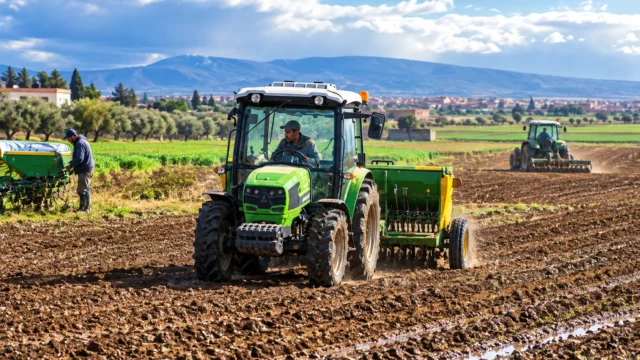
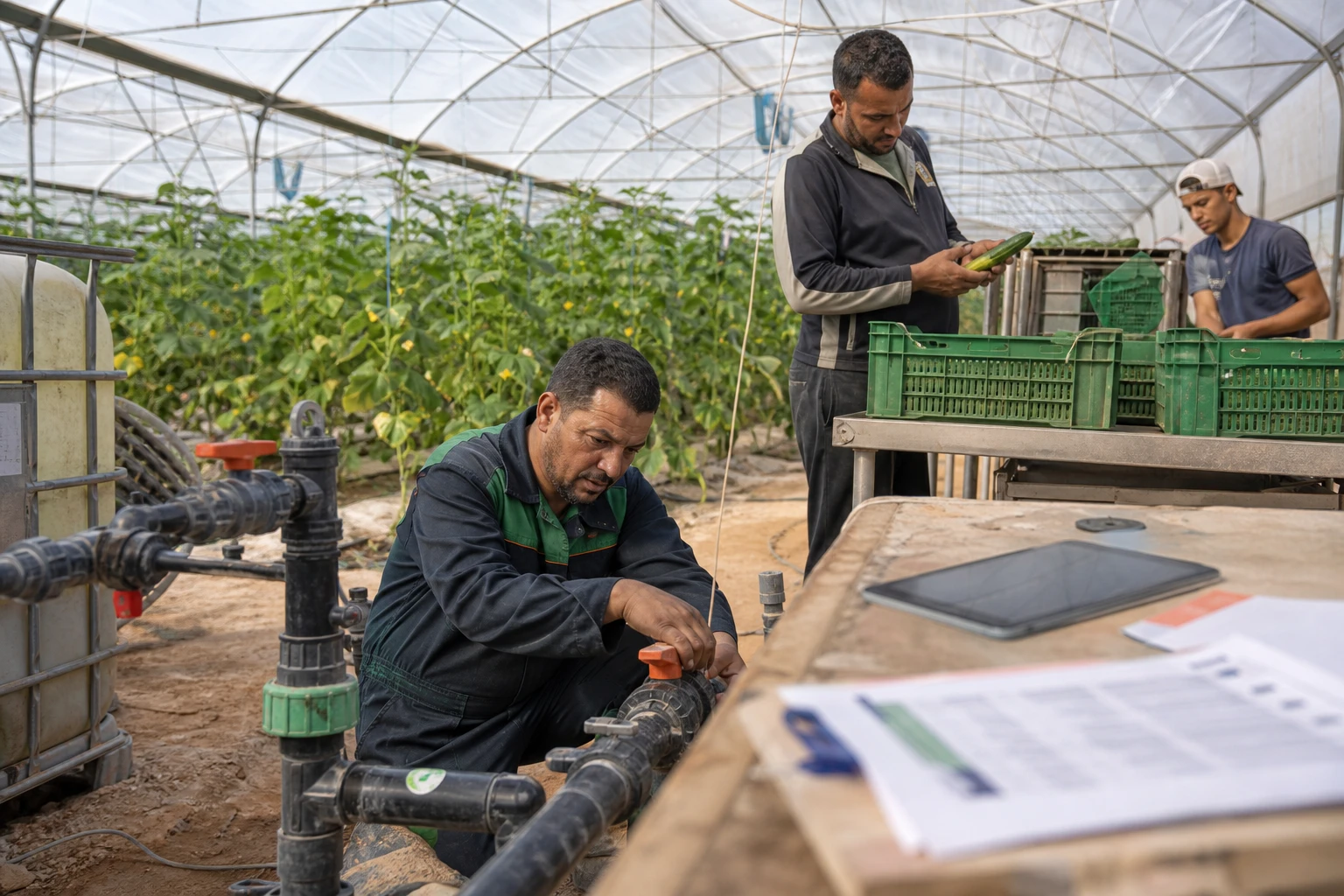
In agriculture, investment in Saharan areas, irrigation and the cereals and oilseeds sectors pursues a similar goal. It is intended to boost local production and limit some imports. However, results will depend on water availability, logistics, storage and access to finance.
Diversification is therefore not measured solely by the number of projects announced. It will be demonstrated by Algerian companies’ ability to produce consistently, export and integrate into regional value chains. It will also depend on the role given to small and medium-sized enterprises, which are often more exposed to administrative red tape and difficulties accessing credit.
Algeria’s removal from the Financial Action Task Force’s list of jurisdictions under increased monitoring, known as the FATF, is another important signal. This “grey list” applies to countries called upon to address deficiencies in their systems for combating money laundering and terrorist financing.
The removal was officially confirmed in June 2026, following a review of the progress made by the Algerian authorities. It may facilitate some dealings with foreign banks and strengthen the confidence of financial partners. However, it does not automatically guarantee an influx of investment. Investors will also consider regulatory stability, convertibility, procedural transparency and competitive conditions.
The budgetary cost of transformation
The IMF’s message comes with a clear caveat. The budget deficit remained very high in 2025, despite falling from the previous year. The institution estimates that it still stood at 10.5% of GDP and could reach 9.6% in 2026.
These imbalances are partly explained by the level of public spending and the financing of major projects. They weigh on the government’s room for manoeuvre. Higher imports linked to investment have also widened the current-account deficit and contributed to the decline in foreign exchange reserves.
The IMF believes the recovery in hydrocarbon revenues gives Algiers an opportunity to rebuild its financial reserves. It recommends gradual fiscal adjustment rather than a sudden shock, as well as better selection of public investments.
The institution also calls for greater mobilisation of non-hydrocarbon tax revenues. This recommendation points to a central challenge for Algeria: financing public policies without indefinitely increasing dependence on oil and gas prices.
The Fund also warns of the risks associated with monetary financing of the deficit, whereby the central bank contributes directly or indirectly to covering the government’s needs. Over time, this practice can fuel inflation, weaken the currency and undermine investor confidence.
The business climate at the heart of the next phase
In the IMF’s view, diversification now requires deeper reforms. It encourages Algeria to reduce regulatory barriers, make decisions more predictable and establish more balanced competitive conditions between public and private companies.
This issue directly affects businesses. Large state-owned enterprises often have privileged access to markets and finance. Private companies can play a major role in employment, innovation and exports, but remain sensitive to changes in rules and administrative delays.
The effects of economic policy are not the same everywhere. Major urban centres benefit more from industrial investment, infrastructure and financial services. In the High Plateaux and the South, agricultural and mining projects can create new activities, provided they are accompanied by training, transport and genuine market opportunities.
The social dimension also remains important. Growth of nearly 4% can improve incomes and employment, but its impact depends on how it is distributed. Food price trends, purchasing power and young people’s access to the labour market will be indicators as important as the overall growth rate.
Significance beyond the national economy
Algeria’s trajectory is also of interest to its African and European partners. With its position in North Africa, energy infrastructure and mineral resources, Algeria can strengthen trade with Europe and with markets across the continent.
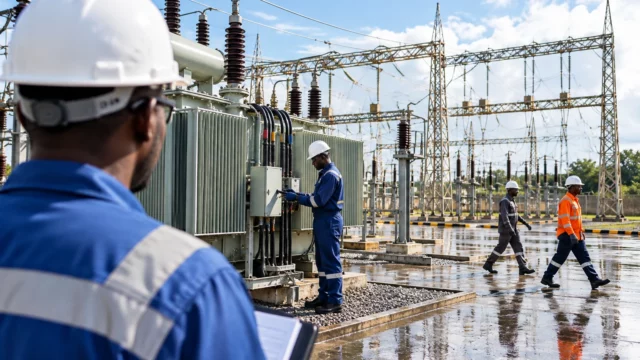
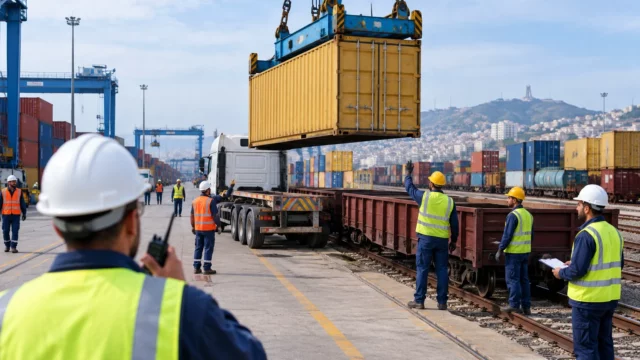
The electricity, renewable energy, minerals, agriculture and logistics sectors offer a range of opportunities for cooperation. The African Continental Free Trade Area could eventually expand market opportunities for Algerian companies. But this ambition requires improvements in competitiveness, product quality and transport links.
The next challenge, then, will be less about securing external endorsement than turning favourable indicators into lasting results. The IMF recognises progress in non-hydrocarbon growth and diversification. At the same time, it stresses that Algeria will need to rebuild its fiscal room for manoeuvre, attract more private investment and maintain the pace of reform.
For Algiers, the period ahead will be decisive. Energy revenues can still finance transformation. But they cannot indefinitely replace a productive, competitive economy capable of creating value beyond oil and gas.