Egypt
 Libya
 Morocco
 Sudan
 Tunisia
 Benin
 Burkina Faso
 Cabo Verde
 Côte d'Ivoire
 Ghana
 Guinea
 Guinea-Bissau
 Liberia
 Mali
 Mauritania
 Niger
 Nigeria
 Senegal
 Sierra Leone
 The Gambia
 Togo
 Cameroon
 Central African Republic
 Chad
 DR Congo
 Equatorial Guinea
 Gabon
 Republic of the Congo
 São Tomé and Príncipe
 Burundi
 Comoros
 Djibouti
 Eritrea
 Ethiopia
 Kenya
 Madagascar
 Malawi
 Mauritius
 Mozambique
 Rwanda
 Seychelles
 Somalia
 South Sudan
 Tanzania
 Uganda
 Angola
 Botswana
 Eswatini
 Lesotho
 Namibia
 South Africa
 Zambia
 Zimbabwe
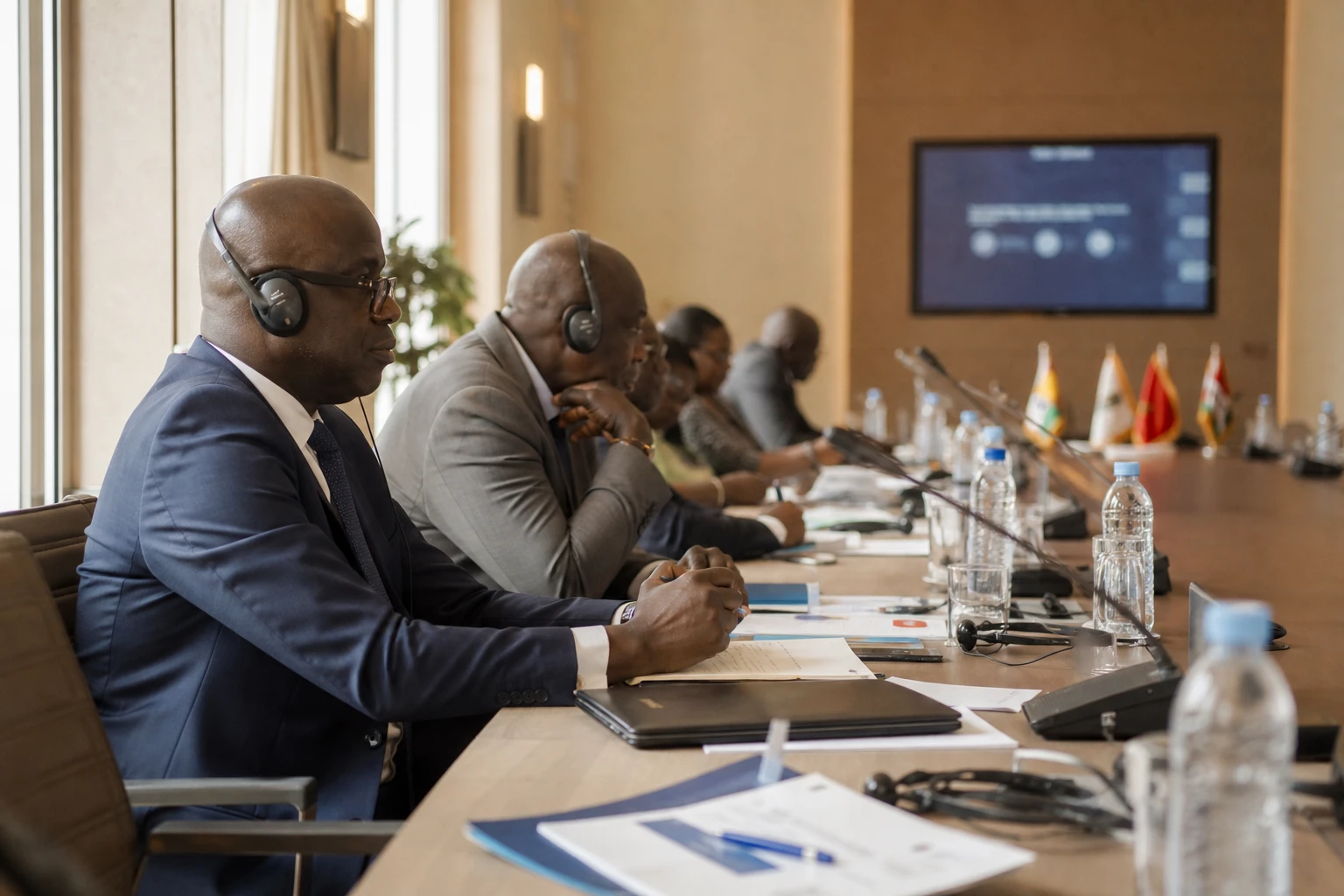
Malawi are playing for more than a place in the final
In Rabat, Malawi are moving forward with a simple idea: a first appearance can sometimes carry more weight than years of experience. On Wednesday 12 August 2026, the Scorchers face Algeria in a semi-final of the TotalEnergies CAF Women’s Africa Cup of Nations Morocco 2026, with a place in the final at stake, as well as a major ticket to the next stage of the global women’s football pathway.
The tournament, held in Morocco from 26 July to 16 August 2026, brings together 16 national teams and was expanded by the Confederation of African Football to open up the continental elite further. The four semi-finalists also secure their places in the qualifying pathway for the 2027 Women’s World Cup, a detail that changes everything for federations such as Malawi’s.
Malawi’s run is challenging the established order
Malawi were not expected to reach this stage. Yet the team have turned their first Women’s AFCON into a historic campaign. They secured their place after the qualifiers and, above all, crossed a rare threshold: becoming the second debutant team to reach the last four, after Zimbabwe in 2000. This progress is part of a broader momentum in Malawian women’s football, driven by the national federation and a generation gaining visibility across the continent.
At the heart of this rise, Temwa Chawinga has taken centre stage. The forward has influenced play, scored at decisive moments and guided a team that have shown they can turn matches around. The Football Association of Malawi notably praised her brace in the historic victory over Nigeria, a sign of a side that are no longer content to defend: they attack, surprise and impose their tempo.
Algeria rely on organisation, Malawi on pace
Algeria arrive with a different approach. The Algerians have built their campaign on defensive discipline and managing difficult spells. CAF competition documents describe them as a compact team, difficult to break down and capable of winning without losing their shape. In a tournament where every mistake is costly, this solidity remains a major asset.
The match therefore sets two styles against each other. Malawi thrive on quick transitions, Chawinga’s runs and the collective ability to strike in open spaces. Algeria prefer a tighter block, compact lines and cautious possession. For the Malawians, the challenge is clear: keep their boldness without leaving themselves exposed. For the Algerians, the priority is to cut the link between the opposing midfield and attack before the match gathers pace. This tactical contrast explains why the semi-final means more than simply the scoreline.
A semi-final that resonates across the region
In the SADC region, of which Malawi is a member, this run tells a story that goes beyond a sporting surprise. It shows that a team from a country with a modest football market can compete with more established opponents, provided it makes consistent choices, prepares its players and gives its project continuity. It is a useful signal for domestic leagues, training centres and investment in women’s football, long treated as a secondary sector.
At continental level, this semi-final extends a clear trend: the Women’s AFCON is no longer just about crowning Africa’s champion. It is also becoming a measure of depth, renewal and the movement of African talent. Malawi can still write the finest chapter in its history, but even without reaching the final, their presence at this level is already changing how women’s football is viewed in southern Africa and beyond.