Egypt
 Libya
 Morocco
 Sudan
 Tunisia
 Benin
 Burkina Faso
 Cabo Verde
 Côte d'Ivoire
 Ghana
 Guinea
 Guinea-Bissau
 Liberia
 Mali
 Mauritania
 Niger
 Nigeria
 Senegal
 Sierra Leone
 The Gambia
 Togo
 Cameroon
 Central African Republic
 Chad
 DR Congo
 Equatorial Guinea
 Gabon
 Republic of the Congo
 São Tomé and Príncipe
 Burundi
 Comoros
 Djibouti
 Eritrea
 Ethiopia
 Kenya
 Madagascar
 Malawi
 Mauritius
 Mozambique
 Rwanda
 Seychelles
 Somalia
 South Sudan
 Tanzania
 Uganda
 Angola
 Botswana
 Eswatini
 Lesotho
 Namibia
 South Africa
 Zambia
 Zimbabwe
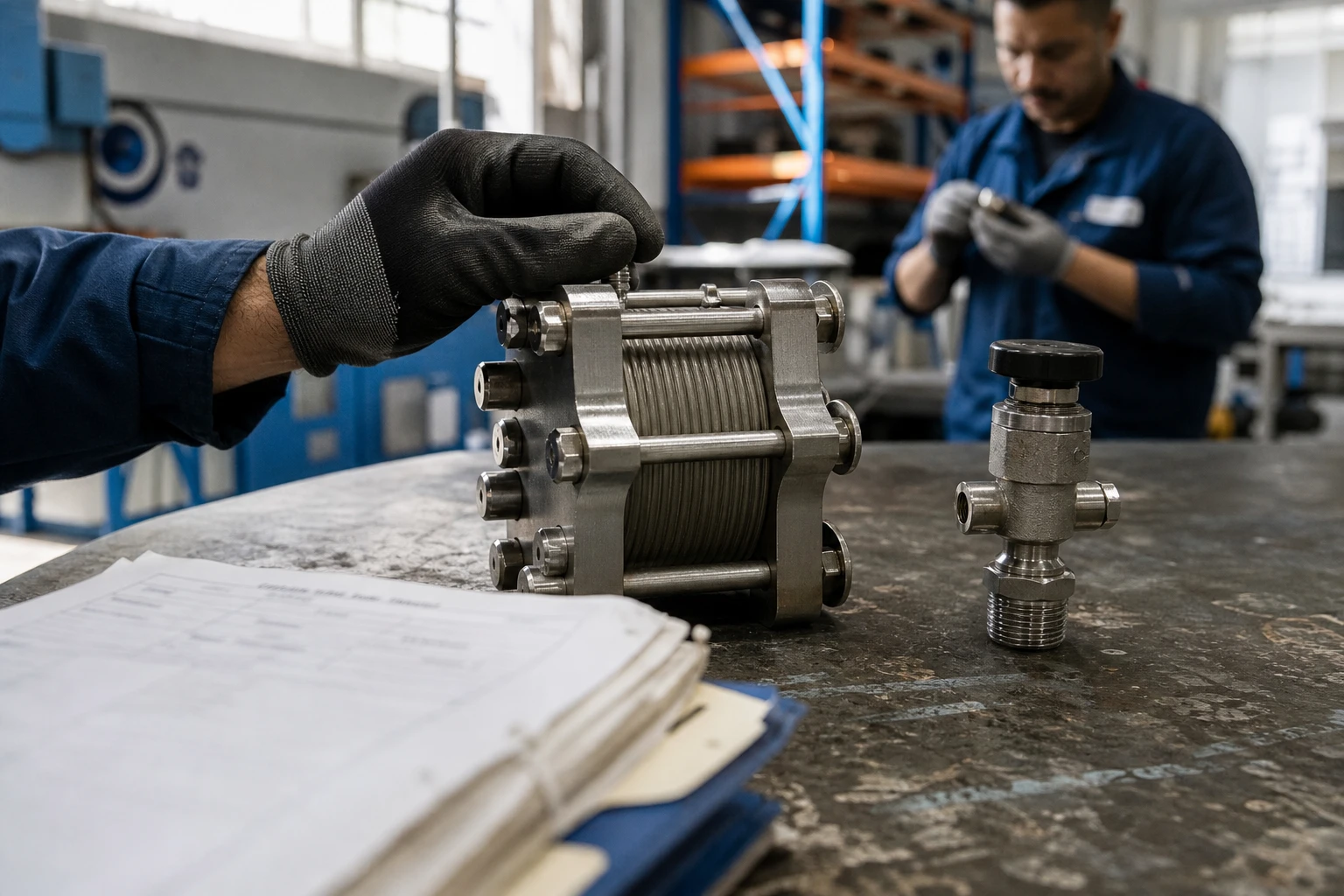
The Maghreb no longer wants merely to export its sunshine. Through renewable hydrogen, Algeria and Tunisia are seeking a role in a new energy supply chain linking North Africa with European industries. For Berlin, the stakes are twofold: securing future imports and finding partners able to produce, transport and process this energy.
An energy corridor reshaping trade
The SoutH2 project is the backbone of this cooperation. The corridor is intended to link North Africa with Italy, Austria and Germany through a network of around 3,300 kilometres. Its promoters, network operators Snam, TAG, Gas Connect Austria and bayernets, say it could have the capacity to carry more than four million tonnes of renewable hydrogen a year.
The plan relies largely on converting existing gas pipelines. More than 65% of the infrastructure could be reused, according to the project’s backers. This approach is intended to reduce costs and speed up deployment, although it will require technical adaptations, common certification rules and investment in North African networks.
The corridor reached a political milestone on 21 January 2025. Algeria, Germany, Italy, Austria and Tunisia then signed a joint declaration of intent in Rome. The project is also recognised by the European Union as a project of common interest, strengthening its prospects of securing funding and regulatory support.
The SoutH2 project and its announced capacity is therefore part of a broader strategy. Europe is seeking to diversify its energy supplies. North African countries, for their part, want to use the energy transition to attract capital, develop their industries and create more value locally.
Berlin advances through businesses and partnerships
This framework explains the intensification of German contacts with Algiers and Tunis. From 21 to 25 September, a delegation of German companies specialising in hydrogen, storage and Power-to-X technologies — the conversion of renewable electricity into hydrogen or synthetic fuels — met stakeholders in both countries.
Discussions covered the entire industrial chain. They included electrolysers, which separate hydrogen and oxygen using electricity, as well as desalination, compression, storage, certification and the adaptation of gas pipelines. In Algeria, the talks involved Sonatrach, Sonelgaz and Cosider Canalisation, among others.
The business mission followed political discussions initiated by Berlin in late August and early September 2025. Talks with Algerian and Tunisian authorities covered natural gas, renewable energy, green ammonia and technology transfer.
For Germany, hydrogen is essential to decarbonising sectors that are difficult to electrify directly, such as steelmaking, chemicals and some heavy transport. The country will nevertheless have to import a significant share of its needs. The corridor’s partners therefore see North Africa as a production hub close to European markets.
Algeria wants to move beyond being a supplier
Algeria has several advantages: a vast territory, strong solar potential, largely untapped wind resources and long experience with gas infrastructure. It also has state-owned companies capable of working in the production, transport and maintenance of energy equipment.
Algeria’s roadmap envisages the gradual development of the sector. Its aims include producing renewable and clean hydrogen and exporting it to Europe. Algerian authorities have also raised the goal of meeting up to 10% of Europe’s needs by 2040.
Algeria’s national hydrogen development strategy sets out a phased approach: training and launching the sector through to 2030, expansion between 2030 and 2040, followed by industrialisation and exports. More recent figures reported by Algerian Radio point to an ambition to export one million tonnes a year in 2040, with investment estimated at $25bn.
The challenge is now industrial. Algiers does not want to repeat a model based solely on exporting a raw material. Local production of electrolysers, maintenance, component manufacturing and the training of engineers will therefore be decisive. Without these elements, hydrogen risks becoming a new export sector that generates little added value nationally.
Agreements signed with German groups such as Bosch and Siemens Energy reflect this ambition. They cover, among other things, studies on an Algerian sector, maintenance, digitalisation and technical solutions related to hydrogen. Their real impact will depend, however, on moving from studies to industrial investment.
Tunisia as producer and transit hub
Tunisia’s position is different. The country has significant solar and wind potential, but its role in SoutH2 also stems from its geography. Tunisian infrastructure is intended to connect Algerian production with networks running to Italy and then on to Austria and Germany.
Tunisia’s strategy is not limited to transit. It envisages domestic production for local industry and export. The official plan targets around 300,000 tonnes of hydrogen exports as early as 2030, followed by one million tonnes in 2035. By 2050, the overall target is 8.3 million tonnes, nearly six million of which would be destined for foreign markets.
Tunisia’s green hydrogen strategy also provides for domestic uses. Ammonia, methanol, refining and industrial heat are among the initial applications. This approach could reduce dependence on energy imports and support industrial activity in the regions concerned.
But there are many obstacles. The desalination needed for electrolysis will have to be regulated to limit pressure on coastal resources. Projects will also need to obtain land permits, secure their electricity supply and clarify the rules for access to networks. In southern Tunisia, where several investments are being considered, local benefits will be an important factor in securing public acceptance.
Cooperation to be judged beyond announcements
For Algeria and Tunisia, the challenge is not just to sell hydrogen to Europe. It is to negotiate a place in the value chain: equipment, engineering, research, certification, industrial processing and skilled jobs. Financial terms, access to water and the distribution of benefits will matter as much as solar potential.
For Berlin, the corridor offers the prospect of energy diversification and industrial decarbonisation. For Rome, Vienna and Germany’s industrial regions, it represents a new supply route. For Tunis and Algiers, it could become a lever for economic diversification, provided projects move beyond memorandums of understanding.
The next step will therefore be practical: feasibility studies, investment decisions, route choices and the harmonisation of standards. The announced timetable envisages the first flows in the early 2030s. Until then, SoutH2’s success will be measured less by the number of official visits than by the partners’ ability to finance infrastructure, develop skills and ensure lasting local value.