
 Egypt
 Libya
 Morocco
 Sudan
 Tunisia
 Benin
 Burkina Faso
 Cabo Verde
 Côte d'Ivoire
 Ghana
 Guinea
 Guinea-Bissau
 Liberia
 Mali
 Mauritania
 Niger
 Nigeria
 Senegal
 Sierra Leone
 The Gambia
 Togo
 Cameroon
 Central African Republic
 Chad
 DR Congo
 Equatorial Guinea
 Gabon
 Republic of the Congo
 São Tomé and Príncipe
 Burundi
 Comoros
 Djibouti
 Eritrea
 Ethiopia
 Kenya
 Madagascar
 Malawi
 Mauritius
 Mozambique
 Rwanda
 Seychelles
 Somalia
 South Sudan
 Tanzania
 Uganda
 Angola
 Botswana
 Eswatini
 Lesotho
 Namibia
 South Africa
 Zambia
 Zimbabwe
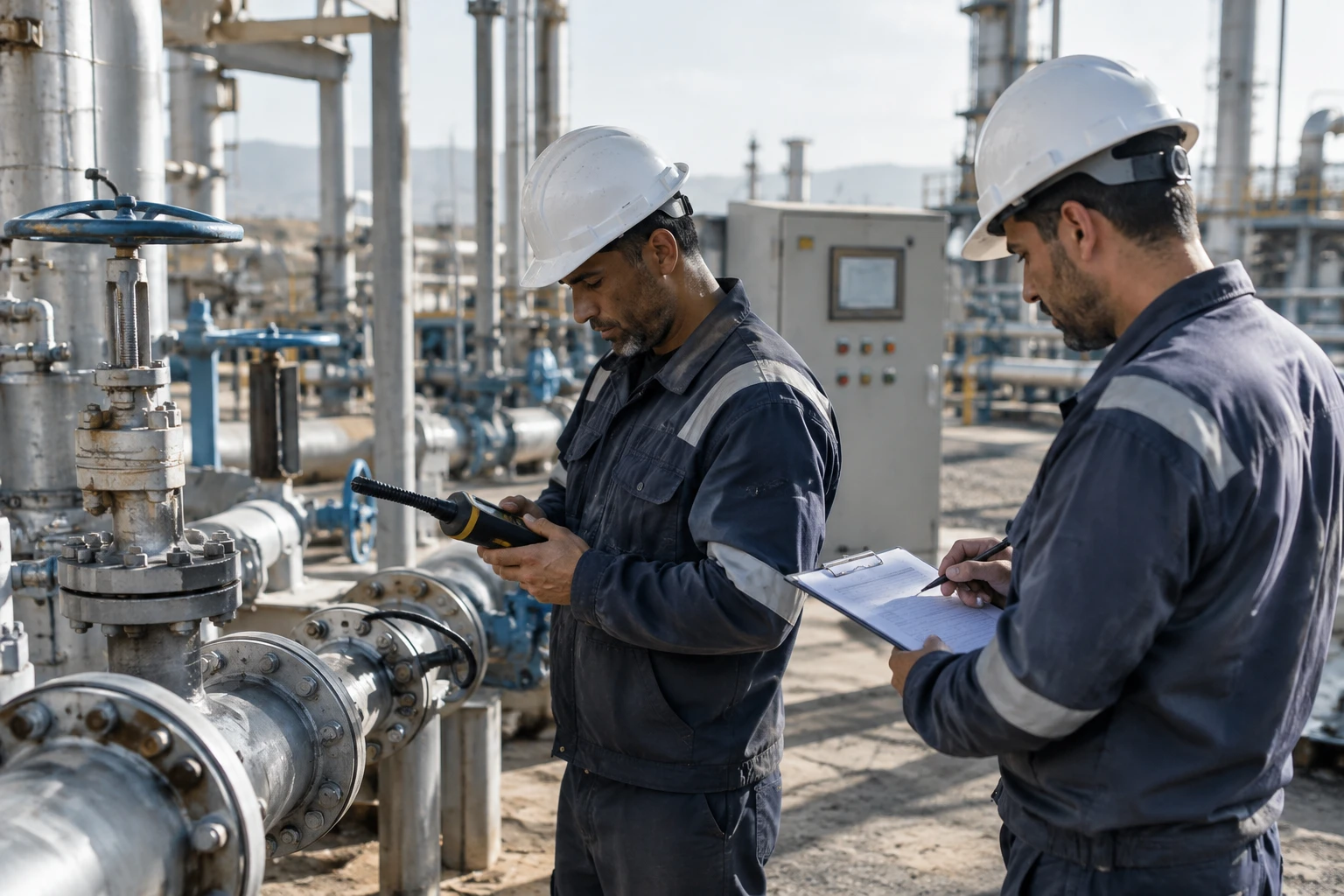
For Algeria, reducing methane emissions from gas production is no longer just an environmental issue. It is also a question of measurement, financing and market access, as European buyers demand greater transparency about emissions linked to imports.
The challenge operates on several levels. Sonatrach must be able to detect and reduce leaks at its facilities, while also documenting results using verifiable methods. At the same time, Algeria is seeking to organise the rules that will govern its future climate finance and carbon markets.
A partnership that must still turn commitments into projects
On 3 November 2026, in Algiers, Sonatrach signed a memorandum of understanding with German company VNG AG and Norwegian company ICA-Finance. The agreement was concluded during a national workshop on climate finance and carbon markets. Radio Algérienne and communications from Sonatrach and VNG confirm the signing and its main objectives.
The partners plan to develop systems for measuring, reporting and verifying emissions, often referred to by the acronym MRV. These systems are intended to establish what emissions are produced, report them under a common framework and have the data verified. The memorandum also refers to methane-reduction measures, technology transfer, training and efforts to secure climate finance, including through carbon-credit mechanisms.
The agreement builds on two previous partnerships: a memorandum between Sonatrach and ICA-Finance, signed in October 2024, followed by an agreement with VNG in June 2026 on reducing methane in the gas chain. However, the partners have not announced the cost of the projects, the sites involved or the volumes of emissions they aim to avoid. VNG says pilot projects remain to be identified. The document therefore establishes a framework for cooperation, not yet a programme with quantified targets.
Reducing flaring is also among Sonatrach’s stated priorities. Flaring means burning gas on site when it cannot be recovered or used. The group is targeting zero flaring by 2030. Cutting methane emissions and recovering lost gas can therefore serve two related aims: reducing the climate impact of operations and limiting the waste of a marketable resource.
European requirements apply to certain contracts
The commercial stakes are concrete. According to European data cited by S&P Global, Algeria supplied 39.2 billion cubic metres of gas to the European Union in 2024. That volume makes the country one of the EU market’s major suppliers. VNG has also concluded a supply contract with Sonatrach, with an increase in deliveries to Germany announced from 2027.
The EU methane regulation, adopted in 2024, gradually extends certain requirements to energy imports. From 1 January 2027, importers will have to report on the equivalence of measurement, reporting and verification systems for the contracts concerned, concluded or renewed since 4 August 2024 and still in force on that date. This is therefore not an identical requirement for every delivery or past contract. The details of implementation matter, and the European Commission’s guidance may evolve.
For Sonatrach, having audited data could facilitate dealings with buyers and strengthen the credibility of announced efforts. But a cooperation agreement alone does not guarantee compliance with European requirements. The methods selected, the quality of measurements, the independence of verification and the ability to monitor emissions throughout the chain, from production facilities to transport, will all need to be established.
Potential benefits are not limited to export contracts. Better leak detection can make it possible to recover gas, while training and skills transfer can strengthen the Algerian teams responsible for monitoring facilities. These benefits will, however, depend on investment decisions and on the role given to local institutions and companies in implementation.
Algeria’s national carbon framework remains to be built
The memorandum comes as Algeria works to develop its climate governance. The workshop held in Algiers on 3 and 4 November was intended to contribute to a roadmap for climate finance and carbon markets. At its close, Algeria Press Service reported recommendations in favour of an independent national authority, a legislative framework and a unified digital registry. These proposals do not mean that such mechanisms have already been established: their adoption and implementation remain to be clarified.
A carbon market puts a value on verified emissions reductions, which can then be financed or traded under defined rules. To inspire confidence, it must prevent double counting and demonstrate that claimed reductions are real. This requirement is particularly important in the gas sector: imprecise estimates of leaks could undermine the value of credits and buyers’ confidence.
The choice of framework will also determine who benefits from the financing. Large export facilities are the first to be affected by the new measurement systems. But national rules can direct resources towards other reduction or adaptation projects, in areas and sectors less directly linked to exports. The challenge for Algerian authorities will therefore be to reconcile external market standards with priorities set within the country.
A regional signal, with results yet to be proven
In North Africa, Algeria occupies a distinctive position as a gas producer and supplier. Cooperation with a German company and a Norwegian firm illustrates the growing importance of emissions data in relations between producers and buyers. For African hydrocarbon exporters, however, the issue goes beyond relations with Europe alone: it concerns their ability to negotiate measurement criteria, mobilise financing and develop local expertise.
The agreement’s impact will now depend on verifiable decisions: the choice of pilot sites, the timetable, the technologies used, the financing committed and the results published. Until these details are specified, the memorandum is a framework for cooperation, not proof of a measured fall in emissions. The next test will be turning this commitment into audited data and reductions recorded on the ground.
Sources for verification: Sonatrach statement on the agreement with VNG and ICA-Finance, Radio Algérienne on the signing of the memorandum, VNG communication on the cooperation, European Commission on import requirements, EU regulation 2024/1787, data on Algerian deliveries to the European Union and report on the workshop on climate finance and the carbon market.



