Algeria
 Egypt
 Libya
 Morocco
 Sudan
 Tunisia
 Benin
 Burkina Faso
 Cabo Verde
 Côte d'Ivoire
 Ghana
 Guinea
 Guinea-Bissau
 Liberia
 Mali
 Mauritania
 Niger
 Nigeria
 Sierra Leone
 The Gambia
 Togo
 Cameroon
 Central African Republic
 Chad
 DR Congo
 Equatorial Guinea
 Gabon
 Republic of the Congo
 São Tomé and Príncipe
 Burundi
 Comoros
 Djibouti
 Eritrea
 Ethiopia
 Kenya
 Madagascar
 Malawi
 Mauritius
 Mozambique
 Rwanda
 Seychelles
 Somalia
 South Sudan
 Tanzania
 Uganda
 Angola
 Botswana
 Eswatini
 Lesotho
 Namibia
 South Africa
 Zambia
 Zimbabwe
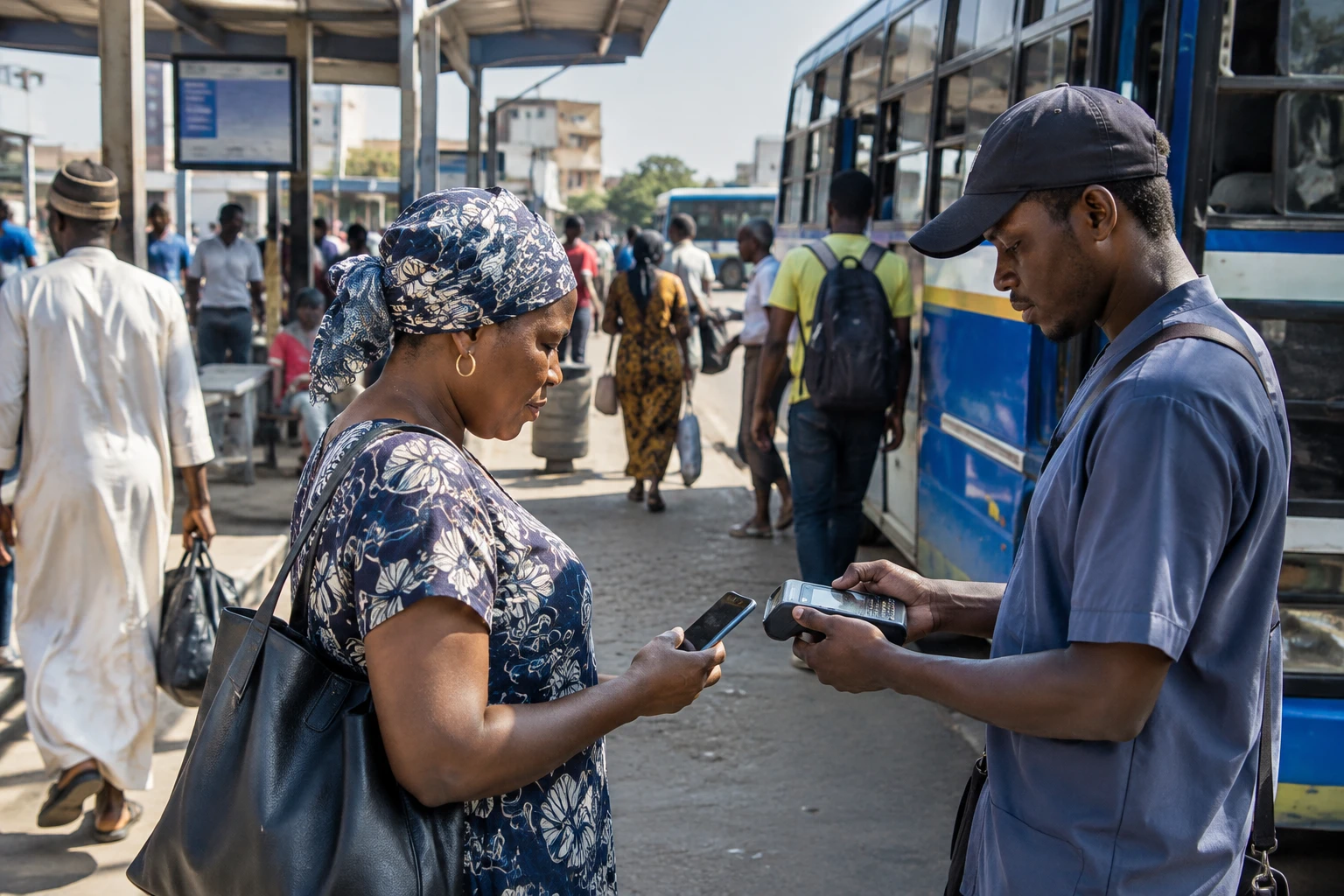
In Dakar, the arrival of thousands of visitors for the Youth Olympic Games will also put another area to the test: businesses’ ability to accept payments simply and securely. Visa wants to take part in this transformation while establishing a permanent presence in Senegal.
A sporting event with economic significance
From 31 October to 13 November 2026, Senegal will host the Youth Olympic Games (YOG), the first Olympic sporting event to be held on the African continent. Around 2,700 young athletes are expected. Competitions and activities will take place across Dakar, Diamniadio and Saly, according to the International Olympic Committee.
The event comes at an important time for the country. Originally scheduled for 2022, the Games were postponed until 2026. Their organisation now involves infrastructure, local authorities, businesses and Senegalese sporting institutions. The stakes therefore extend beyond the days of competition: they also concern the use of facilities and the benefits for communities after the delegations have left.
The project also has a regional dimension. Senegal is a member of the West African Economic and Monetary Union (WAEMU), where the Central Bank of West African States (BCEAO) oversees shared payment systems. Visitors will be able to use various payment methods, but their acceptance will depend in practice on equipment, costs and how well-prepared businesses are.
Visa plans to establish a presence in Dakar
Visa says it plans to open an office in Dakar by the end of 2026. The company says the office is intended to bring its teams closer to partner banks, regulators, merchants and financial technology companies. Senegal’s ministry responsible for digital affairs also referred in March 2026 to discussions with Visa about opening an office and supporting the fintech ecosystem.
The company also plans to support payments during the Games. Its announced programme includes initiatives to expand the acceptance of digital payments and support merchants. Two fan zones, in Dakar and Saly, are notably expected to promote Visa payments. The operational arrangements and scope of these initiatives remain to be specified.
Visa presents the initiative as an extension of its partnership with the Olympic Movement, which it says it has supported since 1986. Aminata Kane, the company’s regional head for West and Central Africa, described the opening of the office as a step in Visa’s commitment to Senegal. She said the group wants to contribute to a secure payment experience during the Games and to digital transformation beyond the event.
Digital growth does not solve every problem
The regional market is already evolving rapidly. In its report on digital financial services in WAEMU, the BCEAO says electronic money accounts reached 248 million in 2024, up from 209 million in 2023. The number of merchant outlets recorded across the Union rose by 111.46% to more than 3.7 million.
These figures describe a regional trend, not the situation of every Senegalese business. They nevertheless show that digital payments are playing an increasingly prominent role. For small businesses, accepting cards or digital payments can give customers more options. But equipment, fees, network coverage and familiarity with the tools all weigh on day-to-day decisions, particularly in neighbourhood businesses and the informal economy.
Visa’s announced presence does not mean the company will control the payment system on its own. In Senegal, banks, electronic money operators, fintechs and card networks coexist under the supervision of the relevant authorities. The central issue will be interoperability: visitors should be able to pay without merchants having to acquire multiple devices or bear disproportionate costs.
Testing the legacy after the Games
For the Games’ organisers, the aim is to turn the influx of visitors into business for local enterprises. Hotels, restaurants, transport operators and vendors could benefit from the arrival of delegations and supporters. However, the benefits will depend on how visitors are distributed, whether local businesses can access the facilities and whether services continue after November 2026.
The YOG’s pan-African dimension gives this experience significance beyond Senegal. The country will welcome athletes and visitors from different backgrounds, while the solutions deployed will showcase African players in sport and digital technology. The challenge will be to make international tools coexist with solutions already used locally, rather than displacing them.
With the opening just months away, two deadlines are coming into view: the actual establishment of the announced office and the preparation of businesses in the host cities. Success will be measured as much by how smoothly payments work during the Games as by the ability of merchants and residents to continue using accessible services after they close.