Algeria
 Egypt
 Libya
 Morocco
 Sudan
 Tunisia
 Benin
 Burkina Faso
 Cabo Verde
 Côte d'Ivoire
 Ghana
 Guinea
 Guinea-Bissau
 Liberia
 Mali
 Mauritania
 Niger
 Nigeria
 Sierra Leone
 The Gambia
 Togo
 Cameroon
 Central African Republic
 Chad
 DR Congo
 Equatorial Guinea
 Gabon
 Republic of the Congo
 São Tomé and Príncipe
 Burundi
 Comoros
 Djibouti
 Eritrea
 Ethiopia
 Kenya
 Madagascar
 Malawi
 Mauritius
 Mozambique
 Rwanda
 Seychelles
 Somalia
 South Sudan
 Tanzania
 Uganda
 Angola
 Botswana
 Eswatini
 Lesotho
 Namibia
 South Africa
 Zambia
 Zimbabwe
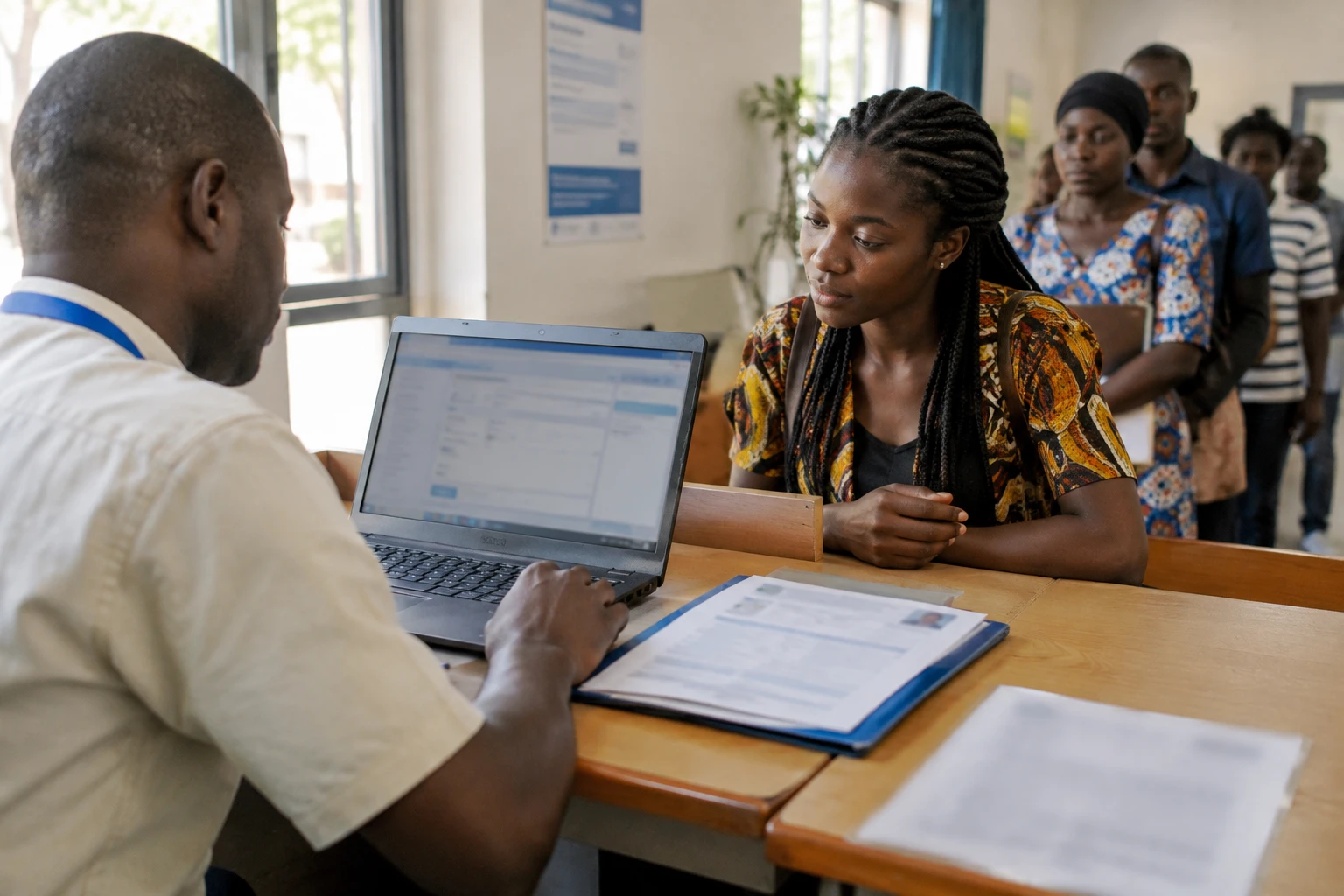
In Dakar, the Youth Olympic Games (YOG) are not being played out only on the field. Registrations, accreditations, results and communications also rely on digital systems that an attack could disrupt. On the eve of the closing ceremony, scheduled for 13 November, one figure is striking: “millions” of cyberattacks are said to have targeted the event. But that tally calls for an essential distinction.
A sporting event, but also a digital one
From 31 October to 13 November 2026, Dakar is hosting the first YOG to be held on the African continent. Competitions are taking place in Dakar, Diamniadio and Saly. About 2,700 young athletes are taking part in this edition, according to information from the International Olympic Committee (IOC). An event on this scale relies on digital tools to coordinate teams, inform the public and circulate sports data.
Senegal had already made cybersecurity one of its preparation priorities. A government report on the organisation of the Games mentions the protection of IT infrastructure, electronic communications and sensitive data. The measures therefore go beyond monitoring venues: they also concern service continuity and the reliability of information released.
Senegalese authorities and the organising committee have also prepared security exercises involving several services. Senegalese media reported that a September 2026 exercise included a simulated cyberattack. A simulation tests coordination and procedures; by itself, it is not proof that a real attack took place.
Figures that should not be confused
The figure of “millions of cyberattacks” cited in the supplied summary is not accompanied by details of the period, scope or calculation method. The public sources consulted do not allow it to be independently confirmed as a tally of attacks directly targeting the YOG. It should therefore be treated with caution, rather than presented as an established fact.
Another figure could cause confusion. The IOC says its cyber-abuse protection service analysed 4.3 million posts and comments directed at athletes and officials during Paris 2024 and Milano Cortina 2026. This figure relates to content analysed as part of efforts to combat online abuse. It does not represent 4.3 million cyber intrusions against Dakar 2026.
The distinction matters. An attack on a server, for example, seeks to block a service or gain access to data. Digital harassment targets people through messages or posts. Both threats can occur during a sporting event, but they require different tools and indicators.
Protecting systems and young athletes
The IOC has announced the deployment of its cyber-abuse protection service for the Dakar YOG. This is its first use at the Youth Olympic Games. The measure targets online abuse directed at athletes; it should not be confused with the technical defence of the organising committee’s networks or Senegalese public services.
For this infrastructure, the publicly available information mainly attests to prevention and preparedness objectives: protecting data, securing communications and training teams to respond. It does not detail all the tools used — for example, detection systems, the teams deployed or the number of incidents blocked. In the absence of published data on these points, the scale of the measures cannot be assessed precisely.
The stakes extend beyond the organisers. A service outage could complicate the work of delegations, media and contractors. Spectators, particularly those following events remotely, also depend on reliable information. Young athletes are affected both by the security of their data and by hostile content shared on social media.
A legacy to be measured after the Games
Dakar 2026 is an important test for Senegal: hosting a global event also means demonstrating the ability to protect the digital tools that keep it running. This responsibility arises in a regional context where governments and businesses are developing online services, while threats and skills needs continue to evolve. It is not simply a matter of buying technology: training, coordination and incident management matter just as much.
Across West Africa, the experience could inform exchanges between institutions and cybersecurity specialists. But its record will not be judged solely by the number of attacks announced. It will also be necessary to establish whether services remained available, whether data were protected and whether local teams will be able to reuse the skills acquired after the competition.
For now, the available information confirms that preparedness measures exist and that the IOC has a tool to combat online abuse. It is not enough to authenticate the figure of millions of attacks specifically targeting the Games. The 13 November closing ceremony therefore marks the end of the events, not the end of questions about transparency in the digital tally and the durability of Senegal’s measures.