Algeria
 Egypt
 Libya
 Sudan
 Tunisia
 Benin
 Burkina Faso
 Cabo Verde
 Côte d'Ivoire
 Ghana
 Guinea
 Guinea-Bissau
 Liberia
 Mali
 Mauritania
 Niger
 Nigeria
 Senegal
 Sierra Leone
 The Gambia
 Togo
 Cameroon
 Central African Republic
 Chad
 DR Congo
 Equatorial Guinea
 Gabon
 Republic of the Congo
 São Tomé and Príncipe
 Burundi
 Comoros
 Djibouti
 Eritrea
 Ethiopia
 Kenya
 Madagascar
 Malawi
 Mauritius
 Mozambique
 Rwanda
 Seychelles
 Somalia
 South Sudan
 Tanzania
 Uganda
 Angola
 Botswana
 Eswatini
 Lesotho
 Namibia
 South Africa
 Zambia
 Zimbabwe
A trading gateway becomes a grey area
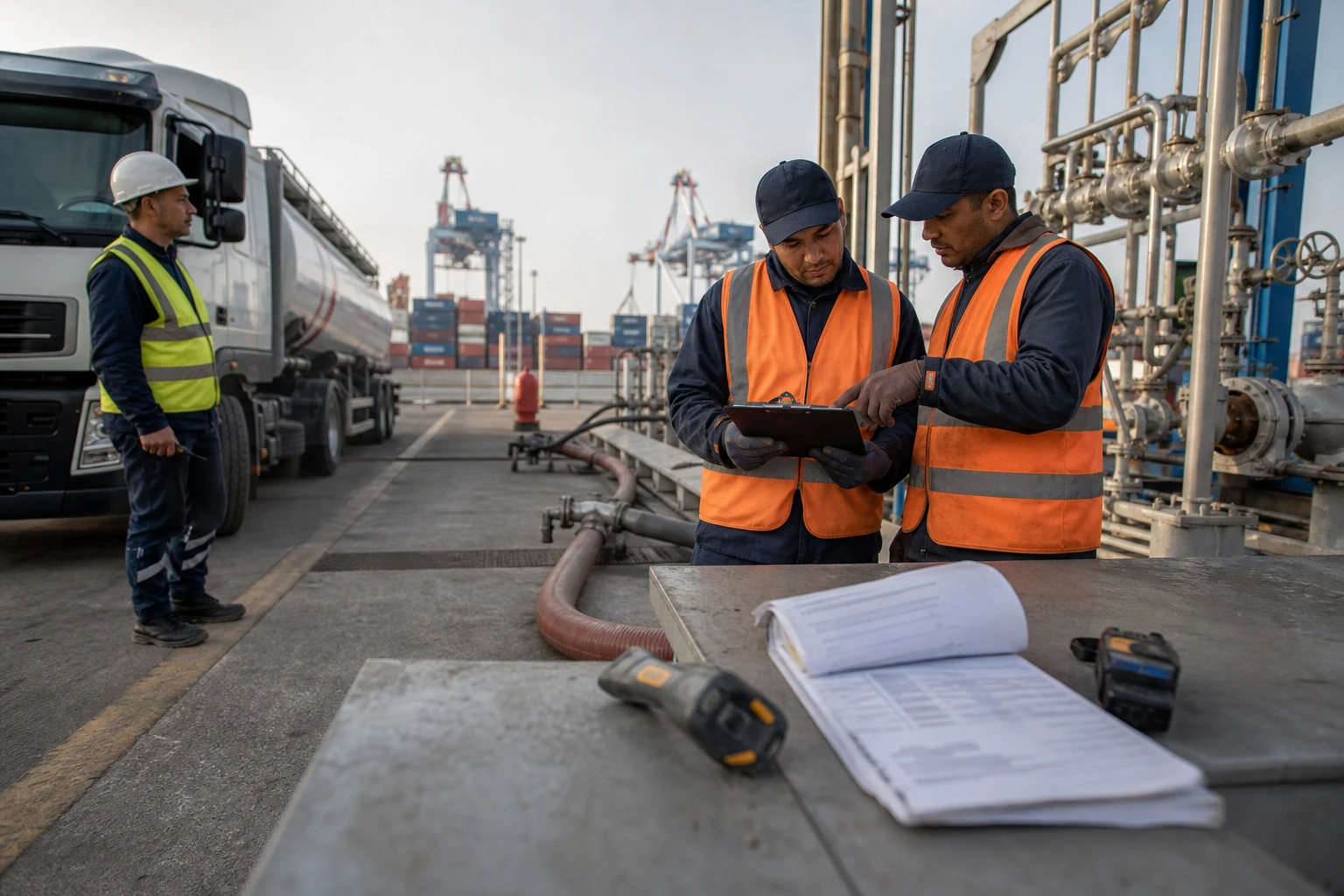
Fuel markets shift quickly when sanctions tighten. Routes change, as do intermediaries, and flows can sometimes obscure the true origin of cargoes. That is precisely the issue raised by two recent investigations into Morocco, positioned at the crossroads of the Mediterranean, the Atlantic and trade with southern Europe.
The issue goes beyond diesel alone. It touches on customs traceability, the credibility of certificates of origin and the way a transit country can become a useful cog in international trade under pressure. For Rabat, the stakes are twofold: preserving its image as a reliable logistics hub while avoiding any association with sanctions evasion.
What the investigations say
Investigations published in late March and in July 2026 describe a route in which cargoes of Russian-origin diesel are said to have arrived at Moroccan ports after departing from the Baltic. They name vessels including the Tranquil Sea, Duke II and Eldia, as well as a Geneva-based trader. The sums cited amount to several tens of millions of dollars.
One of the central elements of the case concerns the declared origin. One cargo was reportedly accompanied by a certificate presented as Cypriot and stating a Turkmen origin. The investigations also say some transfers may have taken place off Gibraltar, in so-called OPL transshipment operations — “off port limits”, at sea and outside conventional port areas. Such manoeuvres are not illegal in themselves, but they make the supply chain much harder to interpret.
The same investigations say payments may have passed between a major Moroccan bank on the buyer’s side and an offshore entity based in Tangier on the supplier’s side. They also cite purchase prices more attractive than those seen in some European markets. These details remain attributed to the investigations, as they are based on documents and journalistic cross-checking, not a public court ruling.
Why Morocco is at the centre of the case
The international context matters greatly. The European Union banned the transport of Russian oil and petroleum products to third countries from February 2023, while establishing price-cap mechanisms. The aim was to reduce Moscow’s revenues without disrupting global supplies. In practice, this framework shifted some trade towards longer, more fragmented and harder-to-monitor routes.
Morocco, meanwhile, imports large quantities of energy. The Foreign Exchange Office says Moroccan imports rose by 8% in 2025, to 822.223 billion dirhams, while the country’s foreign trade remained in deficit. In this context, energy products account for a substantial share of the import bill and the trade balance. The kingdom therefore has an obvious interest in securing supplies at the best possible cost.
This is where the case becomes sensitive. Market data cited by the press show that Morocco imported 645,000 tonnes of Russian diesel in 2025, followed by 489,000 tonnes in the first months of 2026, nearly 45% of its diesel purchases over that period. Other reported figures also show a resumption of gasoil exports from Morocco to Spain, with about 76,000 tonnes delivered in March and April 2026. These volumes do not in themselves establish fraud, but they raise questions about the final destination of some of the fuel.
What this means for Rabat, operators and Europe
For the Moroccan authorities, the risk is first and foremost reputational. The country has built part of its strategy around moving up the logistics value chain, improving its ports and facilitating trade. The customs system relies on digital procedures and identification chains intended to secure flows. If sanctioned fuels or products of disputed origin pass through the kingdom, trust among European partners and local operators could be weakened.
For Moroccan distributors, price remains central. Cheaper diesel can improve margins, especially amid high energy-market volatility. But this commercial logic runs up against another imperative: compliance. The more a cargo has been mixed, stored or transshipped, the harder it is to identify its origin. This creates a risk for banks, brokers, insurers and ports.
In Europe, the debate goes beyond the Moroccan case alone. Spain, in particular, is concerned about possible indirect evasion of Russian sanctions through third countries. Customs data and Spanish energy operators have already raised the alarm over unusual increases in imports from Morocco, Turkey and Singapore. This feeds into a broader question: how can a globalised oil market be monitored when fuels are mixed, or change flag or paperwork along the way?
A Moroccan case, but a regional warning
The Moroccan case is part of a broader trend affecting all of North Africa and, beyond that, economies connected to the Mediterranean basin. Western sanctions have reshaped oil flows. Russia is selling more to Asia, the Middle East and third countries. Meanwhile, European markets are seeking alternative suppliers. Between them, transit hubs are becoming more important. Morocco, with its geographical position and infrastructure, is exposed to this reshaping.
What happens next will depend less on statements than on technical checks: cargo traceability, the origin of blends, the role of intermediaries, verification of certificates and the consistency of port flows. The coming months will be decisive on this front, as European sanctions remain in force and energy markets remain under strain. For Rabat and European capitals alike, the real question is not just where the diesel comes from. It is who can still prove it.