
 Egypt
 Libya
 Morocco
 Sudan
 Tunisia
 Benin
 Burkina Faso
 Cabo Verde
 Côte d'Ivoire
 Ghana
 Guinea
 Guinea-Bissau
 Liberia
 Mali
 Mauritania
 Niger
 Nigeria
 Senegal
 Sierra Leone
 The Gambia
 Togo
 Cameroon
 Central African Republic
 Chad
 DR Congo
 Equatorial Guinea
 Gabon
 Republic of the Congo
 São Tomé and Príncipe
 Burundi
 Comoros
 Djibouti
 Eritrea
 Ethiopia
 Kenya
 Madagascar
 Malawi
 Mauritius
 Mozambique
 Rwanda
 Seychelles
 Somalia
 South Sudan
 Tanzania
 Uganda
 Angola
 Botswana
 Eswatini
 Lesotho
 Namibia
 South Africa
 Zambia
 Zimbabwe
For residents of Tillabéri or Tahoua, a military understanding reached in Algiers does not, in itself, mean improved security. But it could affect the resources available to the Nigerien army as it faces attacks, and the diplomatic balance in a Sahel where alliances are being rapidly reshaped.
Rapprochement after a diplomatic crisis
Niger and Algeria share a long border and common security concerns. Yet their relations have seen several clashes. In April 2025, Niamey, Bamako and Ouagadougou, united within the Alliance of Sahel States (AES), recalled their ambassadors accredited to Algiers after a Malian drone was destroyed. The accounts differed over where the incident took place: Algeria said the aircraft had entered its airspace; the AES said it was in Malian territory. Senegalese news agency APS reported the positions of both sides.
The dispute unfolded against an already tense backdrop. In 2024, Niger protested against the expulsion of Nigerien migrants from Algeria. Disagreements over the management of Sahelian crises, particularly in Mali, subsequently complicated relations between Algiers and the AES members. The new military agreement therefore comes amid a resumption of dialogue, but does not mean that all disputes have been resolved.
Agreement signed in Algiers, with few details so far
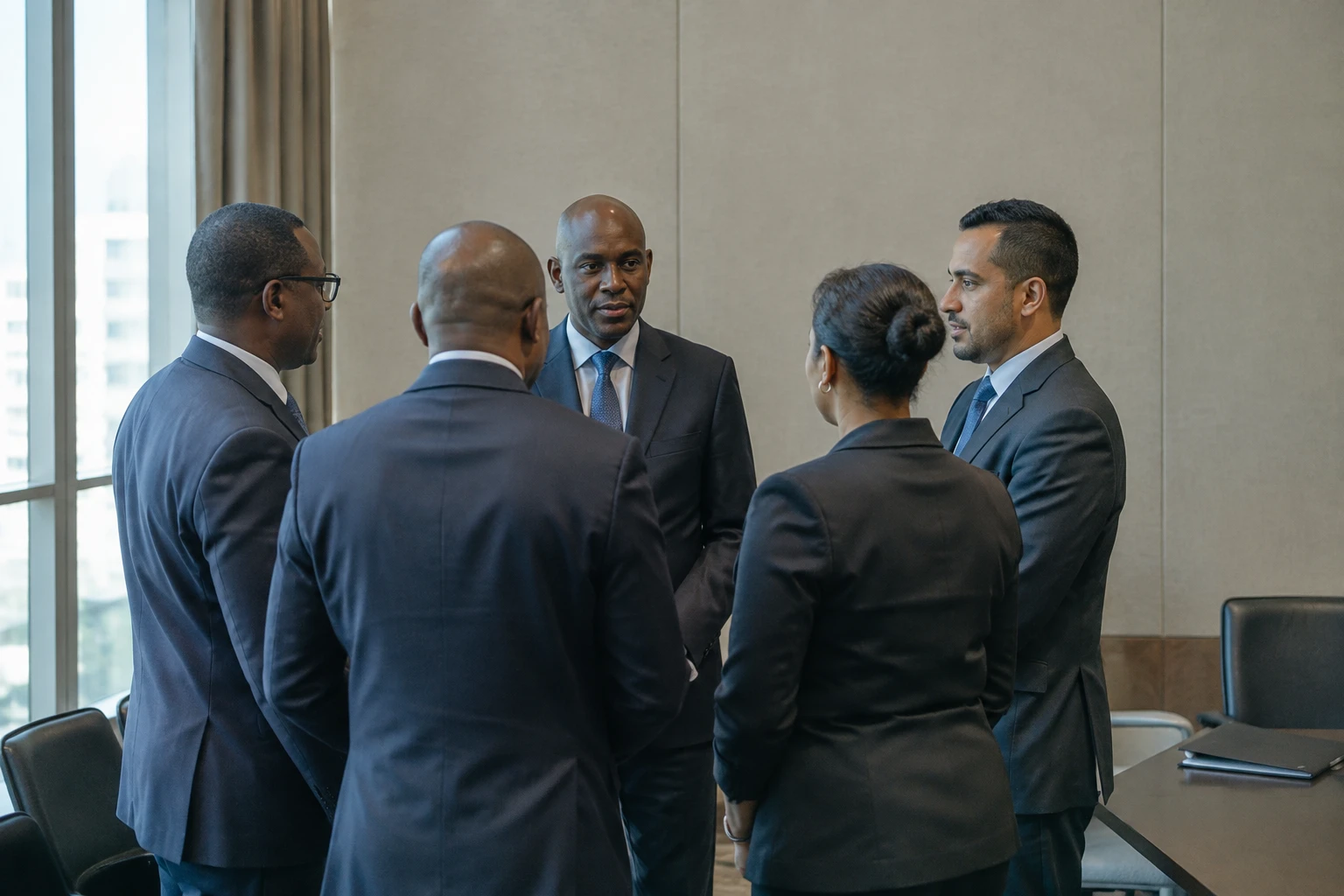
On 21 October 2026, Niger’s Minister of State for Defence, General Salifou Modi, travelled to Algiers at the head of a military delegation. The two countries signed a memorandum of understanding on military affairs. Algeria’s presidency confirmed the meeting between Abdelmadjid Tebboune and the Nigerien minister; Mauritanian agency Madar, citing official Algerian communications, also reported the signing.
The authorities have not, however, made the protocol’s contents public. They have specified neither its timetable nor its funding or areas of application. It would therefore be premature to view it as the establishment of a joint operation or a permanent military arrangement. The text sets out a political framework for cooperation; its effects will depend on the practical agreements that follow and how the two armies implement them.
This caution is all the more important because cooperation between Niamey and Algiers is not limited to defence. Relations also cover energy, hydrocarbons, trade and training. The Trans-Saharan Gas Pipeline project, which aims to transport Nigerian gas through Niger to Algeria, is among the areas of shared interest. These projects give both governments concrete reasons to maintain channels of dialogue despite past tensions.
Security, from equipment to protecting the population
The protocol comes after a visible intensification of military ties. On 30 August, four Sukhoi Su-30 fighter aircraft, an Il-76 transport aircraft and an Il-78 tanker landed in Niamey. Nigerien state-owned daily Le Sahel and pan-African agency APA reported the arrival of the aircraft. They had been preceded by four helicopters on 9 August, according to the Nigerien authorities.
APA placed the aircraft’s arrival the day after a mutiny was reported in Niamey, during which soldiers targeted several sensitive sites. The proximity of the dates alone does not establish the precise role of the aircraft in those events. It does, however, underscore that the partnership is taking on an operational dimension beyond diplomatic exchanges. Details on the conditions for using the aircraft and their contribution to Nigerien missions remain to be clarified.
For Niamey, access to equipment and technical cooperation could strengthen certain surveillance and transport capabilities. But equipment does not address the multiple causes of insecurity or the difficulties faced by people in regions exposed to violence. In western Niger, particularly Tillabéri, and in some areas of Tahoua, attacks and displacement are disrupting farming, trade and access to services. The concrete impact of a defence partnership will also be measured by the protection of civilians and the continuity of daily life, not just by the equipment delivered.
A regional signal to watch
The rapprochement is of interest to the whole central Sahel. Niger belongs to the AES alongside Mali and Burkina Faso, while Algeria is a major neighbour to the north of the region and a longstanding diplomatic player. A more stable bilateral relationship could facilitate exchanges on borders and security. It does not, however, replace regional mechanisms or guarantee a common position between Algiers and the three AES capitals.
The context also highlights the limits of military announcements. In 2025, the dispute over the drone showed how quickly a border incident can turn into a crisis between states. Regular dialogue could help prevent further escalation, provided commitments are backed by clear communication channels and sufficient transparency about operations.
The next steps will therefore be decisive: possible publication of the protocol’s clauses, the establishment of exchanges between military staffs and the implementation of announced cooperation. For Nigerien people, the issue is less the symbolism of rapprochement than its results on the ground. For Algiers and Niamey, the challenge is to consolidate a strategic relationship without allowing political disputes and regional tensions to regain the upper hand.



