Egypt
 Libya
 Morocco
 Sudan
 Tunisia
 Benin
 Burkina Faso
 Cabo Verde
 Côte d'Ivoire
 Ghana
 Guinea
 Guinea-Bissau
 Liberia
 Mali
 Mauritania
 Niger
 Nigeria
 Senegal
 Sierra Leone
 The Gambia
 Togo
 Cameroon
 Central African Republic
 Chad
 DR Congo
 Equatorial Guinea
 Gabon
 Republic of the Congo
 São Tomé and Príncipe
 Burundi
 Comoros
 Djibouti
 Eritrea
 Ethiopia
 Kenya
 Madagascar
 Malawi
 Mauritius
 Mozambique
 Rwanda
 Seychelles
 Somalia
 South Sudan
 Tanzania
 Uganda
 Angola
 Botswana
 Eswatini
 Lesotho
 Namibia
 South Africa
 Zambia
 Zimbabwe
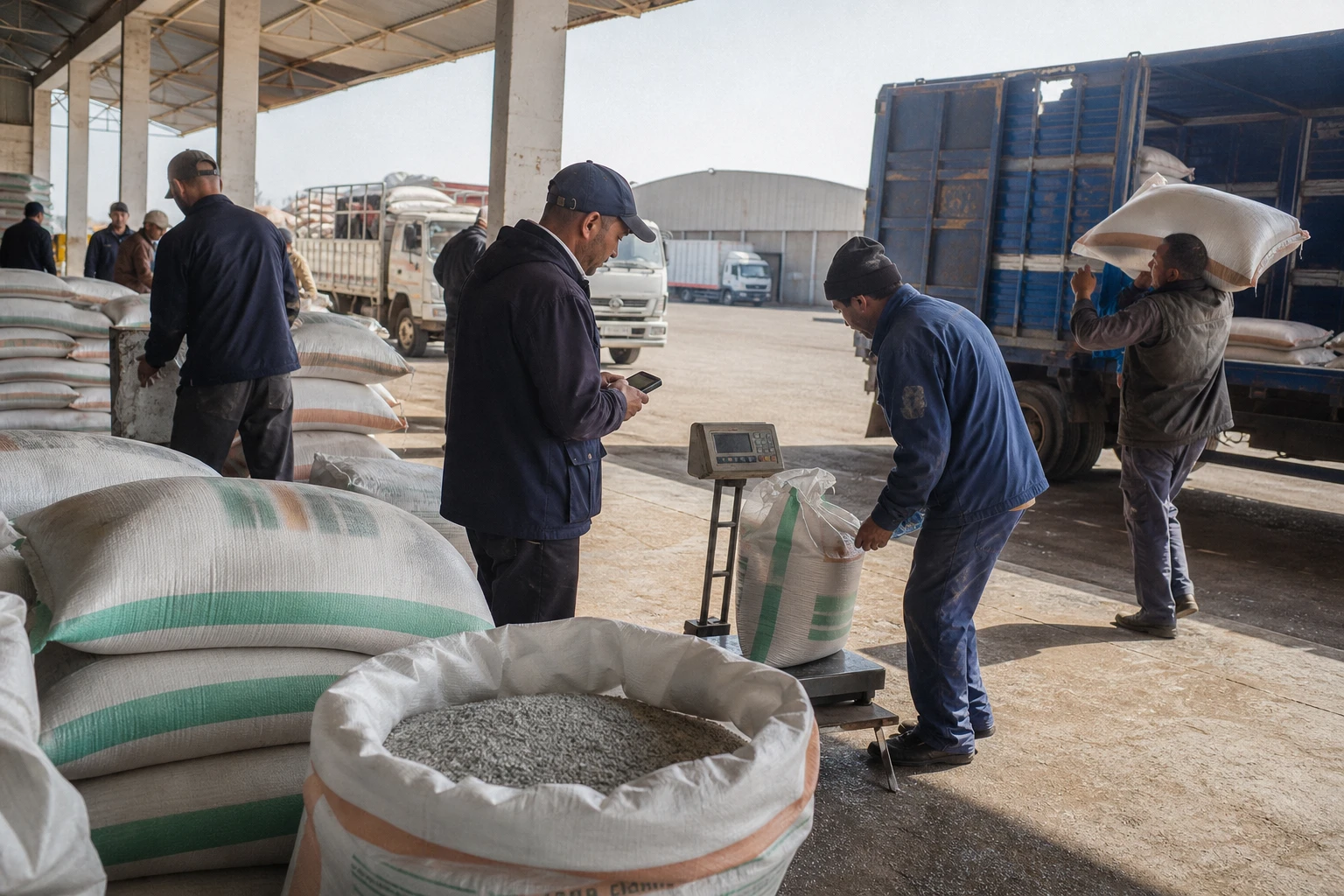
When oil, gas and grain prices surge, neighbouring countries do not face the same bill. In North Africa, rising commodity prices are widening the gap between hydrocarbon producers, fertiliser exporters and economies dependent on imports.
A global shock that does not hit every economy in the same way
Commodity markets came under renewed pressure in 2026. The World Bank tracks these developments in its “Pink Sheet”, a monthly record of international prices for energy, agricultural products, metals and fertilisers.
According to data available for September 2026, Brent stood at $116.8 a barrel, compared with $90.9 in August. European natural gas prices also rose sharply. Maize and wheat prices advanced too, amid geopolitical tensions and risks to supply.
The rise is not, however, passed on uniformly. It benefits countries that export hydrocarbons. It can also support fertiliser producers. By contrast, it leaves economies that import their energy, grain or industrial inputs more vulnerable.
This difference is particularly visible between Algiers, Rabat and Tunis. The three capitals are part of the same Maghreb region, but their economic models do not rely on the same resources.
Algiers gets some respite, but its vulnerabilities remain
Algeria is best placed to absorb a rise in oil and gas prices. Hydrocarbons remain at the heart of its exports and provide the state with a significant share of its external and budget revenues.
Brent’s rise therefore mechanically boosts revenue from hydrocarbon sales. It also makes some Algerian imports more expensive, particularly grain, equipment and intermediate goods needed for economic activity.
The International Monetary Fund estimates that higher hydrocarbon prices improve the short-term outlook for the Algerian economy. In its assessment published in September 2026, it also notes that budget deficits remain high and external reserves have fallen.
The oil windfall is therefore no lasting solution. It mainly offers an opportunity to rebuild safety buffers, fund investment and gradually reduce dependence on extractive revenues.
The IMF recommends that Algiers broaden non-hydrocarbon revenues, better control public spending and improve the efficiency of investment. This position highlights a familiar constraint: an expensive barrel can support the accounts in the short term, but it offers no protection against a sudden market reversal.
In Morocco, phosphates partly cushion the energy bill
Morocco is in a different position. The country imports much of its energy. It is therefore directly affected by higher oil and gas prices, which increase transport, production and import costs.
Rabat does, however, have a strategic asset in phosphates and fertilisers. The OCP Group, a major player in the sector, has an international presence and industrial capacity that give Morocco significant export leverage.
Prices for some phosphate fertilisers remained high in 2026. DAP, used in particular to fertilise crops, reached around $800 a tonne in September, while phosphate rock remained above its 2025 average.
This advantage is not enough to neutralise the shock. OCP said its revenue in the first quarter of 2026 had reached 20.1 billion dirhams. The group also reported pressure on profitability because of higher sulphur, ammonia and other industrial costs.
The mechanism is simple. Higher fertiliser selling prices can boost revenue. But if input costs rise faster, margins shrink. Moreover, agricultural buyers already under pressure may reduce volumes or defer orders.
This situation directly affects African markets. Farmers in sub-Saharan Africa, North Africa and other importing regions need affordable fertilisers. A prolonged rise can support the value of Moroccan exports while limiting the volumes bought by the most vulnerable farms.
Tunisia pays a steep price for its energy dependence
Tunisia has a much more limited buffer. It benefits neither from oil revenues comparable to Algeria’s nor from a fertiliser sector on Morocco’s scale.
Data from the National Institute of Statistics already show the extent of the pressure. In the first eight months of 2026, Tunisia’s trade deficit reached 17.85 billion dinars, compared with 14.64 billion over the same period in 2025.
The energy deficit alone accounted for 8.93 billion dinars. It increased from 7.15 billion a year earlier. Energy thus represents about half of the total trade deficit.
Tunisian exports rose by 8% over the period. Imports, however, increased more quickly, by 11.6%. The rate at which exports covered imports fell from 73.9% to 71.4%.
These figures do not yet fully reflect the surge in prices observed in September. Pressure could therefore persist in the next releases, especially if energy purchases remain high.
Higher food prices add a further difficulty. Food imports rose by 17.1%, according to the data cited in the trade report. At the same time, exports from the mining, phosphate and derivatives sector fell.
A revealing test of Maghreb economic models
The commodity shock does not create differences between the three countries. It makes them more visible. Algeria has energy revenues, but remains exposed to hydrocarbon volatility. Morocco can rely on fertilisers, but remains an energy importer and depends on global demand. Tunisia faces both a heavy energy bill and narrower export margins.
For households, the effects are felt through several channels: transport costs, electricity bills, food prices and the availability of imported products. For businesses, the pressure is concentrated on margins, financing and access to inputs.
Differences also exist between major cities, industrial regions and rural areas. Formal businesses can sometimes pass on some of the costs. Small producers, traders and informal businesses have less protection.
The next test will be how long the rise lasts
The central question is no longer simply whether there will be a monthly peak. It is how long the rise will last and whether governments can turn a temporary increase in revenue into lasting resilience.
For Algiers, the challenge will be to rebuild reserves and reduce its deficit without slowing investment. For Rabat, it will be to preserve the competitiveness of fertilisers while limiting the impact of the energy bill. For Tunis, the priority will be to contain the external deficit and secure essential supplies.
At regional level, this period strengthens the case for co-operation on energy, grain and agricultural inputs. Above all, it is a reminder that Maghreb economies remain closely tied to global markets they do not control. Their room for manoeuvre will therefore depend less on the price of any one product than on their ability to diversify exports, energy sources and supply chains.