Algeria
 Egypt
 Libya
 Morocco
 Sudan
 Tunisia
 Benin
 Burkina Faso
 Cabo Verde
 Côte d'Ivoire
 Ghana
 Guinea
 Guinea-Bissau
 Liberia
 Mali
 Mauritania
 Niger
 Nigeria
 Sierra Leone
 The Gambia
 Togo
 Cameroon
 Central African Republic
 Chad
 DR Congo
 Equatorial Guinea
 Gabon
 Republic of the Congo
 São Tomé and Príncipe
 Burundi
 Comoros
 Djibouti
 Eritrea
 Ethiopia
 Kenya
 Madagascar
 Malawi
 Mauritius
 Mozambique
 Rwanda
 Seychelles
 Somalia
 South Sudan
 Tanzania
 Uganda
 Angola
 Botswana
 Eswatini
 Lesotho
 Namibia
 South Africa
 Zambia
 Zimbabwe
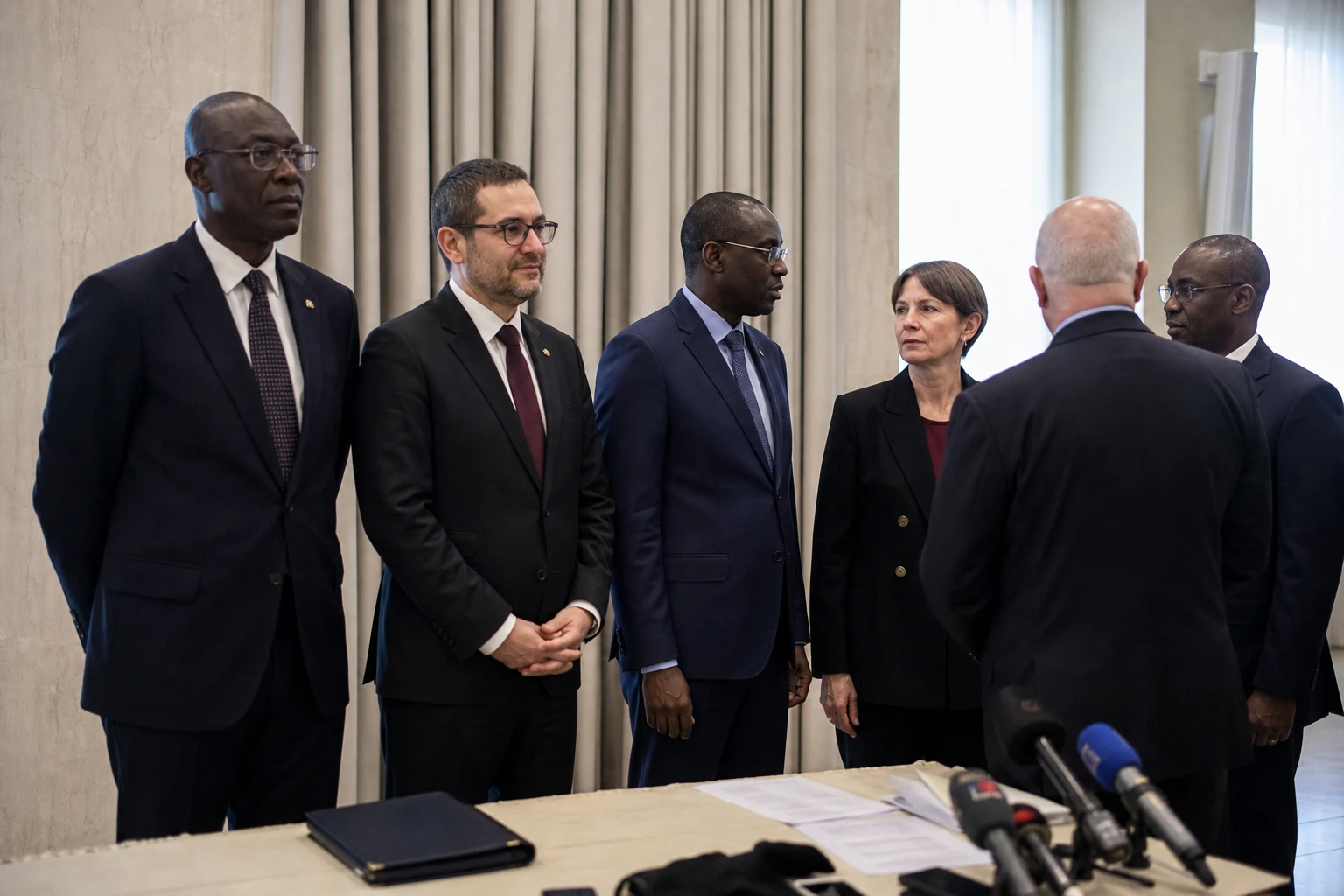
In New York, the race for the next top job at the UN is being fought on substance as much as symbolism. For Senegal, it also tells another story: the place a former head of state can still occupy on the international stage, even as his legacy remains contested in Dakar.
Regional context. The succession of António Guterres follows a procedure formalised by the General Assembly and the Security Council, with candidates nominated by member states, vision statements and public dialogues broadcast online. The next secretary-general will take office on 1 January 2027, after the current incumbent’s two terms. In UN practice, regional origin matters without being set in stone: the tradition of rotation between major regions often weighs on political balances.
On 22 April 2026, Macky Sall took part in the interactive dialogue at the UN with candidates for the post of secretary-general. He was presented as Burundi’s candidate in the 2026 process. According to the schedule published by the organisation, the session brought together Michelle Bachelet, Rafael Grossi, Rebeca Grynspan and Macky Sall for a question-and-answer session with member states and civil society.
The core of his argument rests on a simple idea: the UN must become useful, visible and comprehensible again. In his vision statement, the former Senegalese president says he wants to «refound multilateralism» in the face of protracted conflicts, mistrust and the burden of debt weighing on developing countries. He highlights his promise of «open book» accounts for the organisation, budget transparency and administrative reform.
A Senegalese candidacy in a global contest
Macky Sall’s message is aimed first at the Security Council, where the decisive recommendation will be prepared, but also at capitals across the Global South that want a less technocratic and more political secretary-general. He stresses mediation, listening to warring parties and the secretary-general’s ability to speak to everyone, including the Security Council’s permanent members. This position echoes a long-standing expectation among many African states: to see the UN give voice to someone able to exert influence without mechanically aligning with the most powerful.
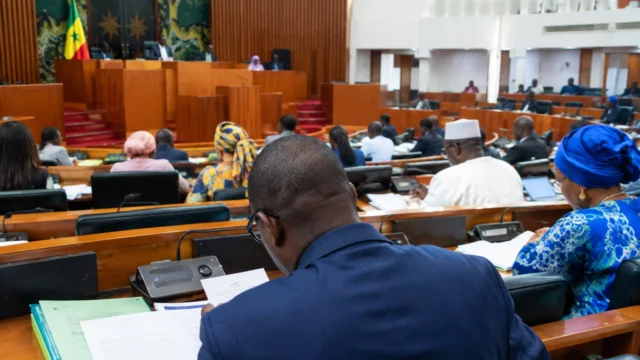
Senegal, for its part, has entered a delicate phase. After weeks of uncertainty and contradictory messages, Dakar eventually declared its official support for its former president. The endorsement gives the candidacy diplomatic coherence, but also brings it back into Senegal’s domestic debate, where Macky Sall remains associated with the political crisis at the end of his second term and tensions over public debt.
That debt has become a major issue in Dakar. The International Monetary Fund confirmed in spring 2025 that deficits and debt had been substantially under-reported between 2019 and 2023, with debt revised from 74.4% to 99.7% of GDP at the end of 2023 after previously undeclared commitments were taken into account. In this context, the promise of transparency made in New York takes on particular significance: it is intended as much to convince diplomats as to answer a distinctly Senegalese political question—that of public credibility.
What Africa is watching beyond the vote
Beyond Senegal’s case, the stakes are continental. If an African were to take the helm of the UN in 2027, that would resolve neither wars nor institutional deadlocks, but it would change how the continent weighs in on multilateral decisions. African capitals are following the race closely because it touches on concrete issues: reform of the international financial architecture, the cost of debt, the role of private finance and the UN’s ability to address crises without speaking in a distant voice.
The campaign also says something about the changing relationship between Africa and the UN system. Legitimacy no longer comes solely from institutional seniority. It depends on the ability to demonstrate results, discuss security, development and human rights in the same breath, and hold one’s own before fragmented security councils. That is how Macky Sall’s candidacy will be judged: less on his profile as a former head of state alone than on his ability to embody a UN that is less cumbersome, more transparent and more useful to the countries that fund it without always seeing themselves reflected in it.
The immediate next steps will be decided behind closed doors and then in formal session, through discussions at the Security Council and final negotiations among the major powers. On 23 July 2026, the General Assembly’s public event provided a snapshot of the starting line; it does not yet reveal who will win. But it has already drawn a clear dividing line: a UN under pressure to reform, and Senegal seeking to turn a candidacy contested at home into a source of influence on the global stage.