Algeria
 Egypt
 Libya
 Morocco
 Sudan
 Tunisia
 Benin
 Burkina Faso
 Cabo Verde
 Côte d'Ivoire
 Ghana
 Guinea
 Guinea-Bissau
 Liberia
 Mali
 Mauritania
 Niger
 Nigeria
 Sierra Leone
 The Gambia
 Togo
 Cameroon
 Central African Republic
 Chad
 DR Congo
 Equatorial Guinea
 Gabon
 Republic of the Congo
 São Tomé and Príncipe
 Burundi
 Comoros
 Djibouti
 Eritrea
 Ethiopia
 Kenya
 Madagascar
 Malawi
 Mauritius
 Mozambique
 Rwanda
 Seychelles
 Somalia
 South Sudan
 Tanzania
 Uganda
 Angola
 Botswana
 Eswatini
 Lesotho
 Namibia
 South Africa
 Zambia
 Zimbabwe
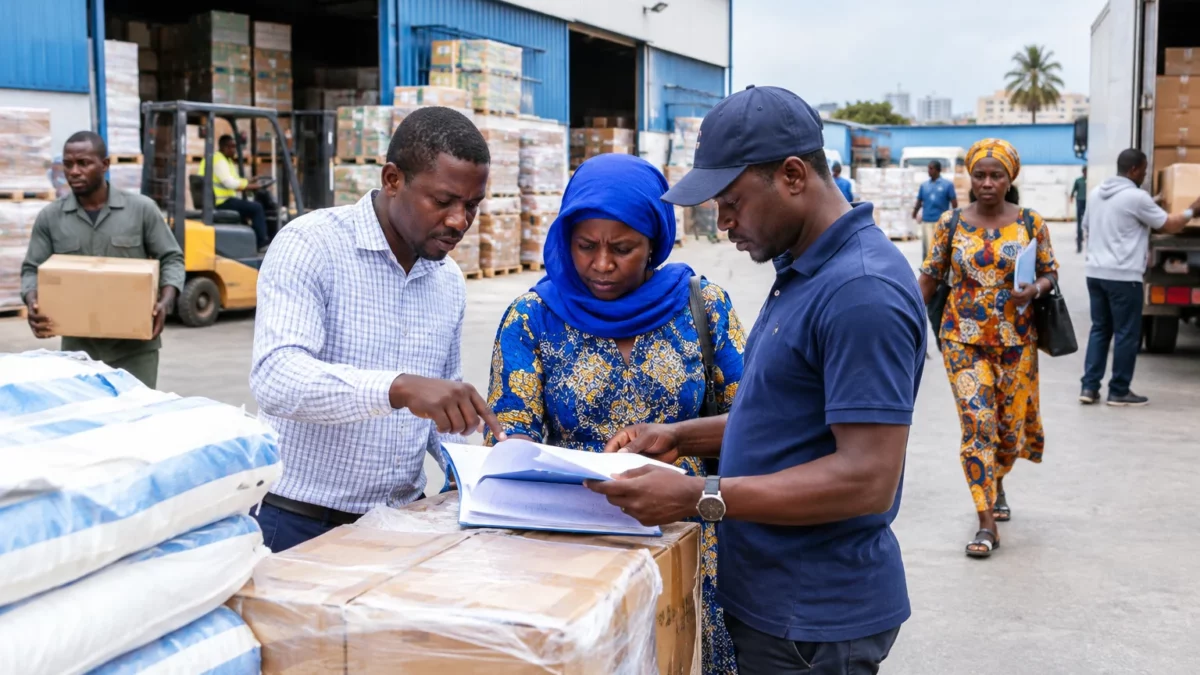
In Dakar, disagreement over the budget figures has moved beyond the allocation of funds. It pits a parliamentary majority against a government that no longer enjoys the same political support, as the state seeks to secure financing and honour its commitments.
A vote that halts further scrutiny
On Wednesday 18 November 2026, the National Assembly rejected the first part of the draft initial finance law for 2027. The text, which sets out revenues and debt-related operations, received 126 votes against and 18 in favour. Three MPs abstained, according to figures published by Senegalese economic media outlet BiFinances.
The rejection has, for now, prevented scrutiny of the appropriations allocated to ministries. Senegal’s organic law on finance laws stipulates that the first part must be adopted before MPs can vote on the second. The failed vote has therefore interrupted the parliamentary timetable for discussing public spending.
The draft presented by the Minister of the Economy, Finance and Planning, Cheikh Diba, provides for 5,653.9 billion CFA francs in general budget revenue and 7,005.6 billion in spending. The announced deficit stands at 1,351.7 billion CFA francs, or 4.7% of gross domestic product, according to figures reported by the African Press Agency (APA) and the official budget presentation document.
MPs from the Pastef-dominated majority dispute the consistency of the projections and the reliability of the documents submitted. During preparatory work, some lawmakers highlighted discrepancies between certain growth assumptions and differences in the figures presented. The minister defended the framework adopted and announced corrections to the documents, APA reports.
An institutional confrontation turns political
The 18 November vote is not an isolated episode. On 3 November, the Assembly had already rejected the draft supplementary finance law for 2026, after adopting a preliminary objection tabled by a member of the majority. This procedure brought the text’s consideration to an end without a vote on its contents.
Both rejections come amid disagreement between the executive led by President Bassirou Diomaye Faye and the Pastef parliamentary majority. Ousmane Sonko, the party’s leader and president of the National Assembly, has asked the government to assume responsibility for the bill. This procedure can allow a text to be adopted without a regular vote, but the Assembly can then seek to bring down the government with a motion of no confidence. The balance of power makes this option politically risky.
The institutional conflict is therefore playing out beyond the budget columns. The government is defending a path towards reducing the deficit. The majority wants the assumptions and financing choices clarified. The debate also concerns transparency in public finances and Senegal’s room for manoeuvre in talks with its partners.
Debt, businesses and public services in focus
A budget is a forecast document, but a deadlock can have tangible consequences. The finance minister has warned that the absence of an adopted budgetary framework would complicate the settlement of the state’s debts to businesses. For companies awaiting public payments, particularly suppliers and service providers, delays can strain cash flow and slow activity.
The decisions would also affect investment and public services, although rejection alone does not mean an immediate halt to state spending. The draft provides for operating expenditure, debt repayments and investment. Local authorities, businesses and households would not be affected in the same way: payment delays would first hit those reliant on public contracts, while changes to ministerial appropriations could alter the timetable for local projects.
The financial context is strained. The draft supplementary law rejected on 3 November put the 2026 deficit at 7.6% of GDP, against 5.4% in the initial finance law, according to APA. The government must therefore reconcile lower-than-expected revenue, priority spending and the cost of debt. MPs, for their part, dispute the method and are demanding figures that are sufficiently consistent to scrutinise these choices.
Another issue is the technical agreement reached in September 2026 with the International Monetary Fund (IMF). It paves the way for a 36-month programme worth a stated $2.2bn, but still has to pass through the Fund’s approval stages. Ousmane Sonko has denounced the IMF’s “political interference” while saying he wants an agreement based on “sound and transparent” foundations. The parliamentary deadlock complicates the presentation of a shared budgetary framework, but is not, by itself, enough to determine the timing of a Fund decision.
An issue watched across West Africa
The consequences extend beyond Dakar’s institutions. Senegal is part of the West African Economic and Monetary Union (WAEMU), which shares the CFA franc and a common framework for economic policies. The government has presented debt sustainability and the confidence of regional markets as important elements of its strategy. A prolonged dispute over public accounts could therefore affect how investors assess Senegalese risk, although its regional impact will depend on decisions still to come.
The country is also a member of the Economic Community of West African States (ECOWAS), a regional organisation for political and economic co-operation. The current standoff is not an ECOWAS crisis, but it illustrates a question facing several states: how to maintain parliamentary oversight of public finances while preserving the state’s ability to fund its policies and honour its commitments.
The next step will be the government’s response to the request that it assume responsibility for the bill, and whether the budget process resumes. Until then, three points will be decisive: the possibility of a compromise between the executive and the majority, securing payments owed to businesses, and progress towards approval of the programme with the IMF. For Senegalese people, the immediate issue is less the fate of a bill than the continuity of state-funded spending and services.