Egypt
 Libya
 Morocco
 Sudan
 Tunisia
 Benin
 Burkina Faso
 Cabo Verde
 Côte d'Ivoire
 Ghana
 Guinea
 Guinea-Bissau
 Liberia
 Mali
 Mauritania
 Niger
 Nigeria
 Senegal
 Sierra Leone
 The Gambia
 Togo
 Cameroon
 Central African Republic
 Chad
 DR Congo
 Equatorial Guinea
 Gabon
 Republic of the Congo
 São Tomé and Príncipe
 Burundi
 Comoros
 Djibouti
 Eritrea
 Ethiopia
 Kenya
 Madagascar
 Malawi
 Mauritius
 Mozambique
 Rwanda
 Seychelles
 Somalia
 South Sudan
 Tanzania
 Uganda
 Angola
 Botswana
 Eswatini
 Lesotho
 Namibia
 South Africa
 Zambia
 Zimbabwe
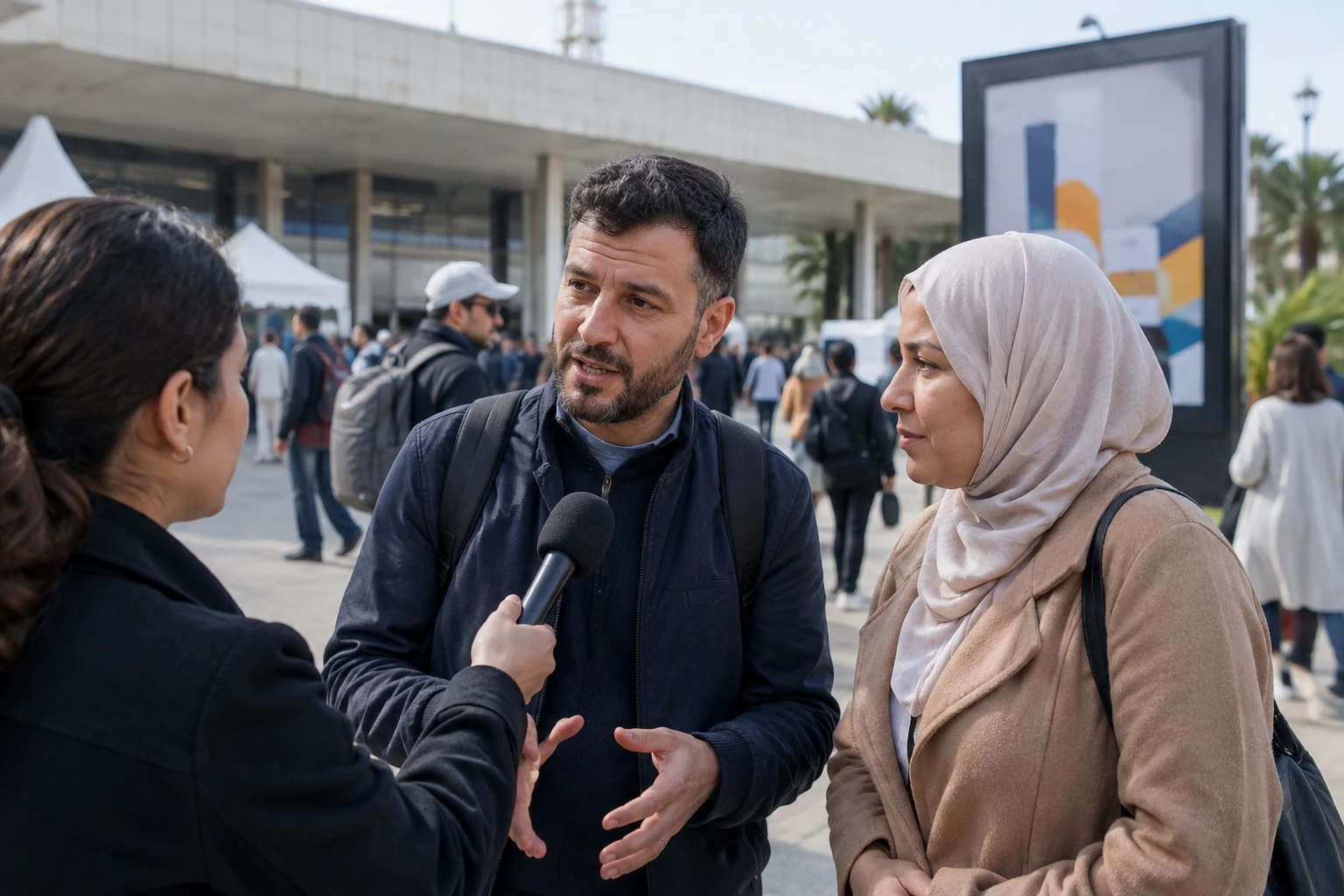
At a book fair, an publisher’s presence can become a political signal as much as a commercial fact. In Algiers, Gallimard’s return to the International Book Fair comes as the novel at the heart of the controversy remains absent from Algerian bookshops and its author has been convicted in his home country.
A return without public explanation
The Algiers International Book Fair (SILA), organised by Algeria’s Ministry of Culture, is welcoming Gallimard again for its 29th edition. The French publishing house is among the exhibitors at the event, which opened to the public on 29 October at the Pins Maritimes Exhibition Centre in the capital. The fair runs until 7 November 2026. The official SILA website confirms these dates and describes the event as a platform for promoting reading and the book industry.
The organisers have not publicly explained why the publisher was readmitted. According to Radio Sans Voix, Gallimard is exhibiting in the Palestine pavilion. The outlet also reports the return of Koukou Éditions, an Algerian publishing house excluded from previous fairs. These reinstatements point to a change in the exhibitor list, but are not enough to establish a lasting change in the selection rules.
In October 2024, Gallimard was informed that it would not be able to take part in the 27th edition. The decision came after the publication of Houris, Kamel Daoud’s novel about the aftermath of Algeria’s civil war in the 1990s. The book won the Prix Goncourt on 4 November 2024. At the time, the Associated Press also noted the absence of Gallimard and the writer from the fair, while Algiers bookseller Ali Bey lamented that local readers could not buy the novel.
A literary and legal controversy
The debate around Houris is not solely about national memory. Saâda Arbane, a survivor of the violence of the 1990s, says several aspects of her private life appear in the main character. She has initiated legal proceedings in Algeria and France. Kamel Daoud denies drawing on her story and defends the work as fiction. These allegations remain contested and should not be presented as facts established by a court.
The case raises a question distinct from access to the fair: how can the confidentiality of medical care and private life be protected while preserving freedom of creation? The complaint concerning medical confidentiality depends on the courts’ examination of the facts. The French proceedings, meanwhile, concern a possible violation of privacy. The complainant’s allegations and the writer’s denials must therefore remain clearly attributed.
A separate legal strand concerns the content of the novel itself. In April 2026, Kamel Daoud announced that he had been sentenced in absentia to three years in prison and fined five million dinars by a court in Oran. The decision has been reported by several media outlets, including the Associated Press and Le Monde. It falls under provisions linked to the Charter for Peace and National Reconciliation, adopted in 2005, which governs public discussion of the violence of the black decade.
Memory at the heart of public life
For the Algerian authorities, national reconciliation remains a central framework for emerging from the conflict. For writers, researchers and victims’ families, the question also concerns the possibility of recounting this period, discussing its silences and passing on its memories. These issues cannot be reduced to a confrontation between Algeria and France: they run through Algerian society and concern experiences lived in cities as well as in regions.
SILA’s role gives this controversy a tangible dimension. The fair is a popular event where publishers, booksellers, authors and readers come together. Gallimard’s presence does not, however, mean that Houris is authorised for sale in Algeria. The publisher’s return and the book’s status are two separate decisions. The first concerns access to an event; the second, the circulation of a title within the country.
In 2024, Gallimard’s absence also went beyond the case of that publisher alone. The Associated Press reported at the time that Koukou Éditions had not been invited, amid a disputed selection process. For Algerian publishing houses, the ability to take part in a major fair determines the visibility of their catalogues and opportunities to meet the public. For readers, restrictions or programming choices determine which accounts are accessible locally and which remain out of reach.
A signal to watch beyond borders
SILA presents itself as a publishing crossroads between Africa, the Arab world and the Mediterranean basin. The decision to readmit Gallimard will therefore be watched by book-industry professionals in these regions, but its significance remains uncertain until the organisers explain their reasons. It resolves neither the legal proceedings nor the question of publishing Houris in Algeria.
What happens next will depend on several factors: how the authorities and organisers explain their criteria, the progress of the legal cases and the space given to debate about the black decade in cultural venues. For Algerian readers, the immediate issue remains the gap between a publisher now present in Algiers and a novel still unavailable through the national legal distribution network. That disparity is a reminder that opening a fair and allowing works to circulate freely do not necessarily go hand in hand.