Algeria
 Libya
 Morocco
 Sudan
 Tunisia
 Benin
 Burkina Faso
 Cabo Verde
 Côte d'Ivoire
 Ghana
 Guinea
 Guinea-Bissau
 Liberia
 Mali
 Mauritania
 Niger
 Nigeria
 Senegal
 Sierra Leone
 The Gambia
 Togo
 Cameroon
 Central African Republic
 Chad
 DR Congo
 Equatorial Guinea
 Gabon
 Republic of the Congo
 São Tomé and Príncipe
 Burundi
 Comoros
 Djibouti
 Eritrea
 Ethiopia
 Kenya
 Madagascar
 Malawi
 Mauritius
 Mozambique
 Rwanda
 Seychelles
 Somalia
 South Sudan
 Tanzania
 Uganda
 Angola
 Botswana
 Eswatini
 Lesotho
 Namibia
 South Africa
 Zambia
 Zimbabwe
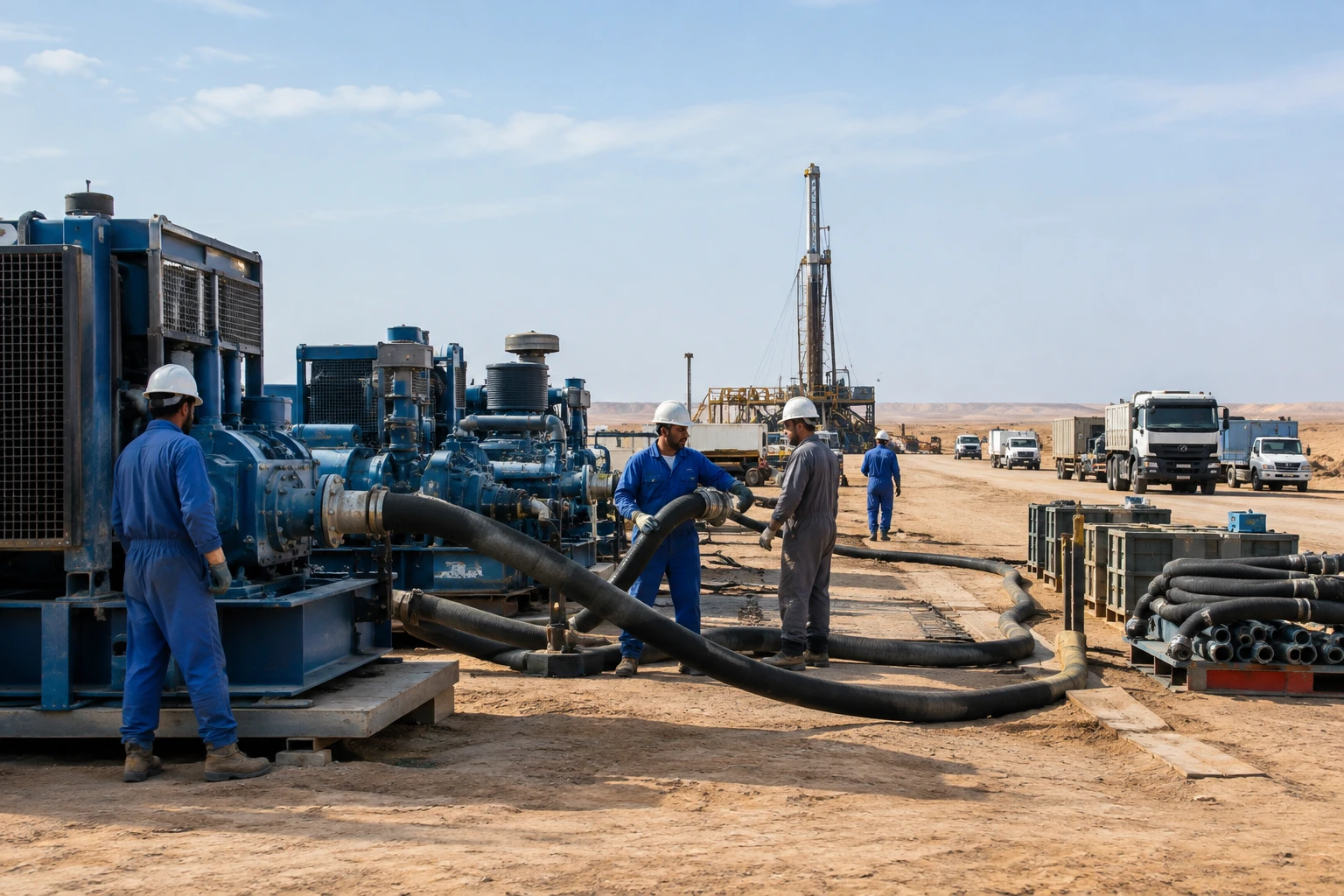
The same resource could address two different urgent needs: supplying gas to Egypt and adding value to Libyan oil before it is exported. That is the wager behind renewed talks between Cairo and Tripoli, as both countries seek to better connect their energy infrastructure.
Two sectors under pressure, with complementary interests
Egypt, whose gas production has fallen since its 2021 peak, must supplement its supplies with imports. In 2025, it imported a record 9.01 million tonnes of liquefied natural gas (LNG), transported by ship and then regasified to feed the network. Falling domestic production and rising demand make every potential new source more strategically important.
Libya, meanwhile, produces substantial volumes of crude but still processes only a limited share of it in its refineries. According to the Libyan National Oil Corporation (NOC), crude oil production reached about 501 million barrels in 2025, an average of 1.374 million barrels a day. Figures published by the company show that 47.56 million barrels allocated to the state were transferred to domestic refineries, while 335.41 million were exported as crude.
These figures do not mean the two countries already have a shared energy system. The connections under discussion remain projects, whose costs, routes and timetable have not been made public. But their industrial interests overlap: Egypt has refining capacity and gas infrastructure, while Libya is seeking to upgrade ageing facilities and increase the domestic processing of its hydrocarbons.
Talks revived in Tripoli
On 7 November 2026 in Tripoli, Egypt’s foreign minister, Badr Abdelatty, discussed energy co-operation with Khalifa Abdulsadek, Libya’s acting oil and gas minister. Cairo called for progress to be accelerated on projects to link gas networks, exchange petroleum products and process Libyan crude at Egyptian refineries, with a view to potentially re-exporting the refined products.
The Egyptian side also called for progress on the rehabilitation of Libyan refineries. Abdulsadek, according to accounts of the meeting, announced an upcoming visit to Cairo to continue technical discussions with Egyptian officials responsible for petroleum and electricity. No financial agreement or implementation timetable was made public after the meeting.
The renewed push follows an institutional rapprochement already under way. In January 2026, PETROJET, an Egyptian company specialising in oil projects, and the NOC signed a memorandum of understanding on oil, gas and mining. The document provides, among other things, for exchanges of expertise, work on refining and the study of hydrocarbon transport solutions. A memorandum sets out a framework for co-operation but does not in itself guarantee that projects will be carried out.
Potential benefits, but practical obstacles
For Egypt, refining Libyan crude could help it make greater use of its facilities and expand its trade in petroleum products. It would not automatically replace gas imports: crude oil and natural gas serve different purposes, and a pipeline project requires technical agreements, investment and regular flows. Cairo’s priority therefore also remains securing domestic supplies in the face of falling gas production.
For Libya, the challenge is to narrow the gap between high production and limited processing capacity. Local refining can create more value in the country and improve the availability of finished products. But the condition of the equipment, its return to service and the continuity of investment will determine the results. Export revenues primarily benefit public finances and the energy sector; the impact on households will also depend on product distribution and the stability of supplies.
Libya’s political geography adds another complication. The country’s authorities and institutions remain divided between the west, where the Tripoli government is based, and the east. The NOC plays a central role in the oil industry, but large-scale infrastructure projects require lasting agreements and co-ordination that go beyond a single bilateral meeting. The blockages and production interruptions seen in recent years are a reminder that announced volumes do not guarantee steady deliveries.
A North African issue to watch beyond oil
Energy co-operation adds to the diplomatic agenda between the two neighbours. It is taking shape in a Mediterranean region where gas networks, liquefaction facilities and export routes bring the interests of several countries closer together. For Egypt, infrastructure could consolidate its role as a regional hub; for Libya, it could open up markets and support the upgrading of its industry.
The meeting took place during an official Egyptian visit to Tripoli, also linked to the work of the Community of Sahel-Saharan States (CEN-SAD), a regional organisation bringing together countries in the Sahel and Sahara. But the energy talks concern the two neighbours first and are not, at this stage, a continental programme. At African Union level, their significance will depend above all on whether announcements can be turned into shared infrastructure and predictable trade.
The next step announced is a visit by Libyan officials to Cairo to continue technical discussions. The points to watch are clear: whether feasibility studies are conducted, the choice of routes, financing, the timetable for refinery rehabilitation and guarantees of continuity of supply. Without these decisions, pipelines and cross-border refining will remain avenues for co-operation rather than immediate solutions to the two countries’ energy constraints.