Algeria
 Libya
 Morocco
 Sudan
 Tunisia
 Benin
 Burkina Faso
 Cabo Verde
 Côte d'Ivoire
 Ghana
 Guinea
 Guinea-Bissau
 Liberia
 Mali
 Mauritania
 Niger
 Nigeria
 Senegal
 Sierra Leone
 The Gambia
 Togo
 Cameroon
 Central African Republic
 Chad
 DR Congo
 Equatorial Guinea
 Gabon
 Republic of the Congo
 São Tomé and Príncipe
 Burundi
 Comoros
 Djibouti
 Eritrea
 Ethiopia
 Kenya
 Madagascar
 Malawi
 Mauritius
 Mozambique
 Rwanda
 Seychelles
 Somalia
 South Sudan
 Tanzania
 Uganda
 Angola
 Botswana
 Eswatini
 Lesotho
 Namibia
 South Africa
 Zambia
 Zimbabwe
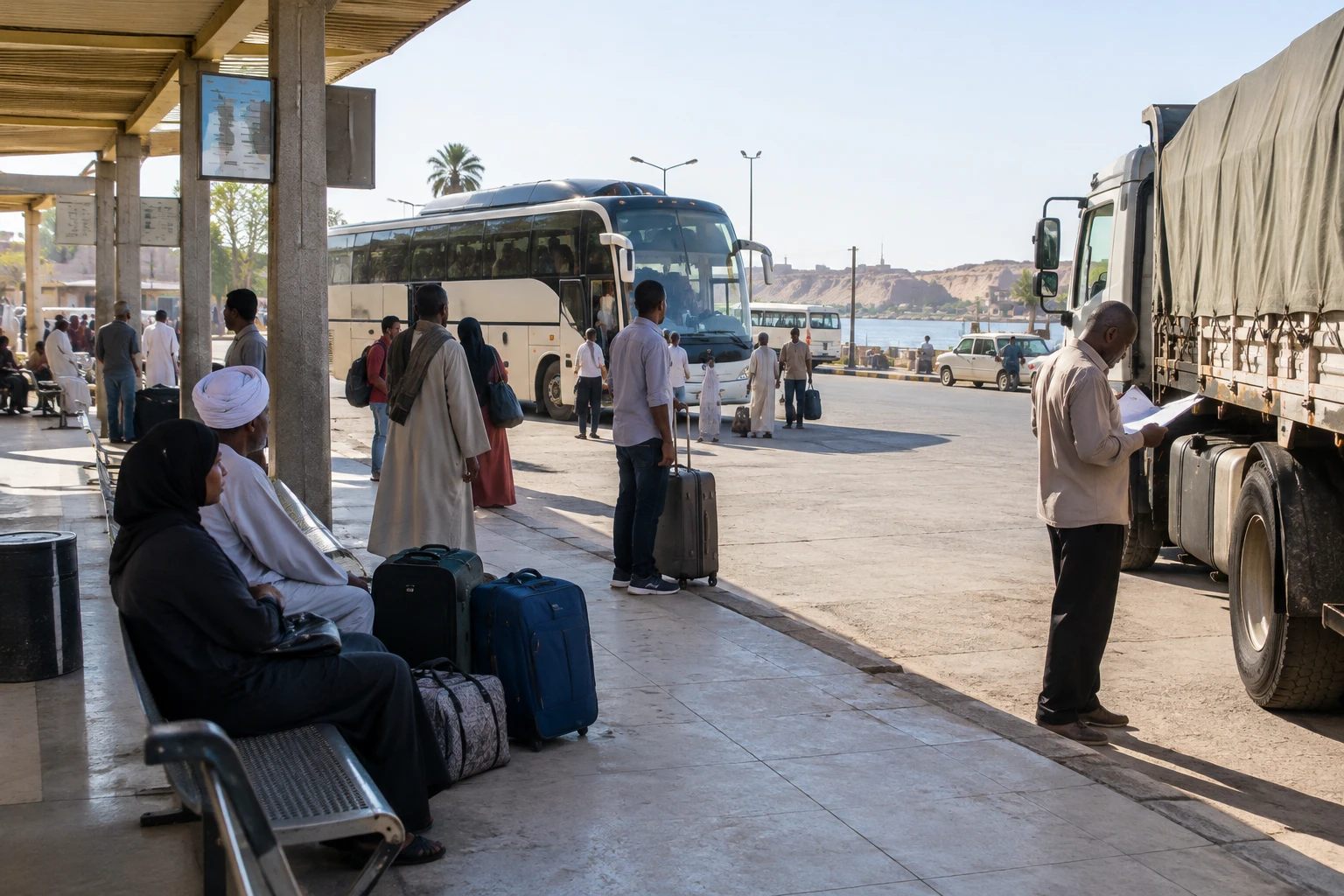
Relations between Cairo and eastern Libya are entering a period of tension, with border security, access to Mediterranean resources and power rivalries all at play. A possible withdrawal of Egyptian experts from Benghazi has been mentioned, but has not been officially confirmed. Verifiable facts nonetheless point to a recalibration of the balance between Egypt and the Libyan authorities.
A relationship built on shared interests
Since the fall of Muammar Gaddafi in 2011, Libya has remained divided between rival institutions. The government based in Tripoli, in the west, and the eastern authorities, backed by the Tobruk Parliament and Khalifa Haftar’s forces, are vying for power. This fragmentation complicates national decisions, particularly on resources, borders and foreign alliances.
Egypt, a North African country whose capital is Cairo, has long maintained close ties with Haftar’s camp. This proximity has reflected, in particular, security concerns along a shared border of more than 1,000 kilometres. But Egyptian diplomacy is also seeking to engage with the authorities in western Libya, where the UN-recognised government is based.
On 7 November 2026, Egypt reopened its historic embassy premises in Tripoli, which had been closed for 12 years. The ceremony was attended by Egyptian Foreign Minister Badr Abdelatty and Libyan officials. This diplomatic return does not, by itself, signal a break with the east. Rather, it broadens Cairo’s channels of dialogue in a country where no single actor controls the entire territory. Ahram Online reported the reopening of the Egyptian embassy in Tripoli, which was also confirmed by Libya’s Foreign Ministry.
Maritime dispute reignites differences
The most visible disagreement concerns the eastern Mediterranean. On 20 October 2026, Libya’s House of Representatives, based in the east, approved the 2019 maritime memorandum signed between Turkey and the Tripoli government of the time. The agreement defines maritime jurisdiction zones between the two countries and paves the way for co-operation on offshore resources.
Cairo disputes the delimitation. Egyptian authorities say it infringes on their maritime rights and continental shelf. Greece and Cyprus have also voiced their opposition. These are competing claims: the Libyan Parliament’s approval does not, by itself, settle their validity under the law of the sea. Egypt’s Foreign Ministry has announced that it is preparing a legal dossier. For its part, the eastern Libyan camp has defended the ratification and called for discussions with Egypt on delimitation.
The Parliament’s decision is notable because Haftar’s camp had previously opposed the agreement with Ankara. Its reversal is a reminder that Libyan alliances are not fixed. Relations with Turkey, which is influential in the west, can also become an economic and political lever for eastern officials. The Associated Press confirmed the 20 October vote. Ahram Online also reported objections from Egypt, Greece and Cyprus.
Trade routes and Sudanese stakes
Economic interests also weigh on relations between Cairo and Benghazi. Egypt is developing a transport corridor linking the port of Berenice on the Red Sea to Douala in Cameroon on the Atlantic, via Libya and Chad. The project aims to facilitate overland trade and access to ports. The idea is causing concern among some eastern Libyan officials, who hope to turn the port of Sirte into a gateway to the continent’s interior.
These routes are more than infrastructure. They can shape trade, investment and port revenues. For businesses and communities along the routes, however, the impact will depend on whether the sections are completed, as well as on security and customs agreements. Egypt has said it is working to improve roads between Berenice, Aswan and the Libyan border. Ahram Online outlined the announced stages of the Berenice-Douala corridor. The available information does not, however, confirm that rivalry over Sirte prompted a specific decision by the Egyptian authorities.
Another sensitive issue is the war in Sudan, where the Sudanese army has been fighting the Rapid Support Forces (RSF) since April 2023. A UN panel of experts report on Libya describes transfers of equipment, fuel and fighters to the RSF along routes passing, among other places, through Libyan territory. These findings document networks and movements, but do not, by themselves, prove that Egypt decided to withdraw its experts from Benghazi. Khalifa Haftar has previously denied supporting the RSF. Allegations must therefore remain attributed and distinct from established facts.
Against this backdrop, reports of Egyptian military experts leaving Benghazi are circulating without identifiable official confirmation or sufficient independent corroboration. They cannot be presented as established fact. If a withdrawal were confirmed, it could signal a reassessment of security ties; it would not be enough to prove a break between the two camps.
A test for African mediation
The tensions are playing out in a region where the interests of neighbouring countries, Turkey and the Gulf states overlap. They also concern the African Union, which supports a Libyan political process and is seeking to bring rival institutions closer together. In June 2026, Libya’s main institutions signed a document of principles intended to set out a path to the end of the transition period. The continental organisation welcomed the step, although it does not yet guarantee elections or effective reunification.
For Egypt, the challenge is to safeguard its border security and maritime interests while maintaining working relations with both Libyan centres of power. For Libyans, regional rivalries can bring investment and commercial opportunities, but can also complicate the building of common institutions. The next signals will therefore be diplomatic as well as practical: implementation of the political agreement, legal developments concerning the maritime memorandum, and confirmation — or otherwise — of the reported withdrawal from Benghazi.