
 Algeria
 Egypt
 Libya
 Morocco
 Sudan
 Tunisia
 Benin
 Burkina Faso
 Cabo Verde
 Côte d'Ivoire
 Ghana
 Guinea
 Guinea-Bissau
 Liberia
 Mali
 Mauritania
 Niger
 Nigeria
 Senegal
 Sierra Leone
 The Gambia
 Togo
 Cameroon
 Central African Republic
 Chad
 Equatorial Guinea
 Gabon
 Republic of the Congo
 São Tomé and Príncipe
 Burundi
 Comoros
 Djibouti
 Eritrea
 Ethiopia
 Kenya
 Madagascar
 Malawi
 Mauritius
 Mozambique
 Rwanda
 Seychelles
 Somalia
 South Sudan
 Tanzania
 Uganda
 Angola
 Botswana
 Eswatini
 Lesotho
 Namibia
 South Africa
 Zambia
 Zimbabwe
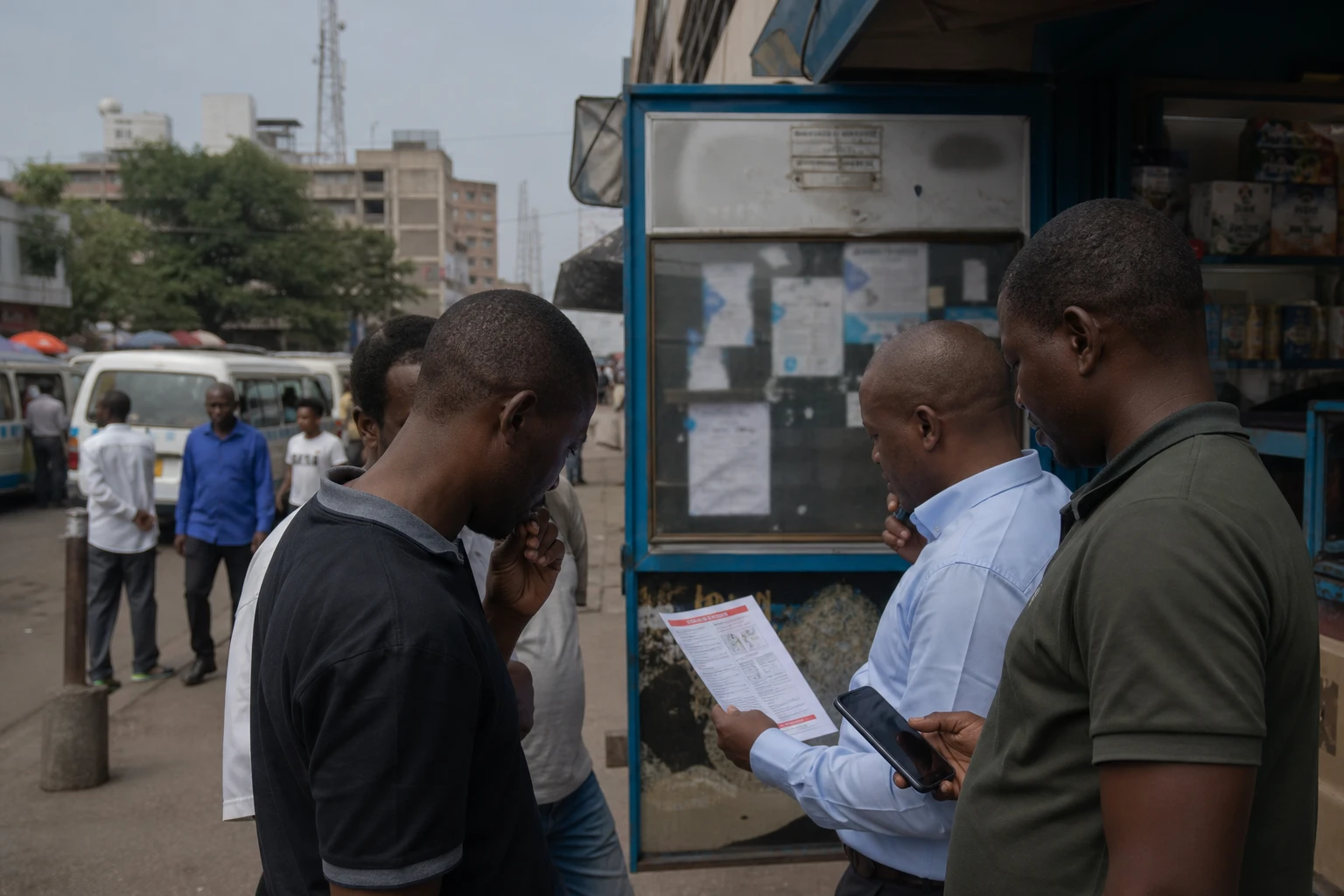
In Kinshasa, a legal debate already reaching beyond Parliament
In Kinshasa, a reform presented as technical quickly took on broader political significance. Behind the debate over a referendum, many Congolese see a battle over the rules of the game, in a country where every constitutional change is viewed through the lenses of stability, succession and the balance of power. The Democratic Republic of the Congo reaches this moment with a head of state in office since 2019, a second term due to run until 2028, and public opinion already polarised over the question of constitutional revision.
The institutional context matters. The revised 2006 Congolese Constitution explicitly protects the number and duration of presidential terms from revision. It also provides that the Constitutional Court rules on disputes over referendums and reviews whether laws comply with the Constitution. In short, the fundamental text locks down the most sensitive issue of executive power, even as the country faces security tensions, strong social expectations and enduring political rivalry between the majority and opposition.
Referendum law upheld, then immediately interpreted as a political signal
On 9 June 2026, the National Assembly adopted a bill setting out the conditions for holding a referendum in the Democratic Republic of the Congo. On 15 June, the Senate also adopted the text at second reading, with an amendment concerning the composition of the constituent assembly mentioned by parliamentarians. On 16 June, the two chambers finalised their agreement on the text, which is to be submitted for promulgation. This timeline, corroborated by several Congolese media outlets, shows that this is not an isolated rumour but a parliamentary process well under way.
The day after the Constitutional Court upheld the law, residents of Kinshasa interviewed in the capital said they supported the reform. In their view, the referendum process could be used to “readjust” institutions, protect the country and revive public action. This street-level support should be treated with caution: it reflects a genuine desire for change among part of the urban population, but it is neither a political blank cheque nor unanimous backing for a proposal to amend the Constitution. In Kinshasa, as in other major cities, the discussion combines social fatigue, expectations of an effective state and concern about the concentration of power.
At the same time, the Congolese opposition immediately denounced a manoeuvre that could pave the way for a third term, even though the head of state says he has not officially requested one. The debate gathered pace in May and June 2026, with opposition blocs forming, political leaders making statements and calls for mobilisation. The climate recalls the 2015-2016 institutional crisis for many Congolese, when an attempt to change the rules of the game had already triggered serious tensions.
President Félix Tshisekedi, 63, has himself fuelled the political interpretation of the issue. At his press conference in Kinshasa on 6 May 2026, he said he had not sought a third term, adding: “If the people wish me to serve a third term, I will accept.” The statement is clear enough to fuel suspicion, but it does not by itself change the state of the law. The message is above all political: it puts the question of the popular will at the centre of the debate, even as the Congolese Constitution strictly regulates presidential terms.
What this sequence means for the Congolese
At its heart, the battle is less about a word in a law than about how future legitimacy is to be established. Supporters of the referendum present it as a way to give the people a voice again in a republic marked by institutions that are often contested. Opponents see it as an attempt to sidestep Article 220 of the Constitution, which makes the rules on presidential terms immutable. Both interpretations exist. But they carry different weight for different actors: for the majority, the aim is to open a political door; for the opposition, to close it before it leads to a challenge to the constitutional safeguard.
For the population, the stakes are even more concrete. Residents of Kinshasa, like those in the provinces, live in a country where security, the cost of living, the movement of goods and trust in institutions overlap. Constitutional reform therefore absorbs considerable political energy. It can also delay other urgent priorities: local governance, public services, the fight against corruption, the response to insecurity in the east and the consolidation of the administration. In an economy where the informal sector remains central, any period of institutional tension has immediate effects on trade, travel and investment.
The role of the Constitutional Court adds another layer of complexity. By upholding the referendum law, it strengthened the majority’s argument that it is legal. But this ruling does not end the political conflict. In the DRC, legality and legitimacy do not always coincide. As soon as a reform touches on terms of office, judicial institutions, Parliament and the street all become arenas at once. That is precisely what makes the issue sensitive: the debate is no longer purely legal; it has become a test of confidence in the entire institutional framework.
A Congolese issue with regional implications
The implications extend beyond the DRC. The country carries weight in Central Africa, the Great Lakes region and several continental balances of power. Any succession crisis in Kinshasa has repercussions for ECCAS, security cooperation and diplomatic relations with neighbouring countries. At a time when the DRC is seeking to defend its sovereignty, advance its security agenda in the east and project an image of stability, a reform seen as controversial could instead reopen a period of uncertainty. The coming months will show whether the debate remains institutional or turns into a deeper political crisis.
What to watch now is straightforward: the next stages of the parliamentary process, the timetable for any popular consultation, and above all the ability of political actors to prevent the dispute over the Constitution from spilling onto the streets. In the DRC, every debate about institutions ultimately raises a broader question: how can a continental-sized state be governed without weakening the minimum consensus that holds it together?



