
 Algeria
 Egypt
 Libya
 Morocco
 Sudan
 Tunisia
 Benin
 Burkina Faso
 Cabo Verde
 Côte d'Ivoire
 Ghana
 Guinea
 Guinea-Bissau
 Liberia
 Mali
 Mauritania
 Niger
 Nigeria
 Senegal
 Sierra Leone
 The Gambia
 Togo
 Cameroon
 Chad
 DR Congo
 Equatorial Guinea
 Gabon
 Republic of the Congo
 São Tomé and Príncipe
 Burundi
 Comoros
 Djibouti
 Eritrea
 Ethiopia
 Kenya
 Madagascar
 Malawi
 Mauritius
 Mozambique
 Rwanda
 Seychelles
 Somalia
 South Sudan
 Tanzania
 Uganda
 Angola
 Botswana
 Eswatini
 Lesotho
 Namibia
 South Africa
 Zambia
 Zimbabwe
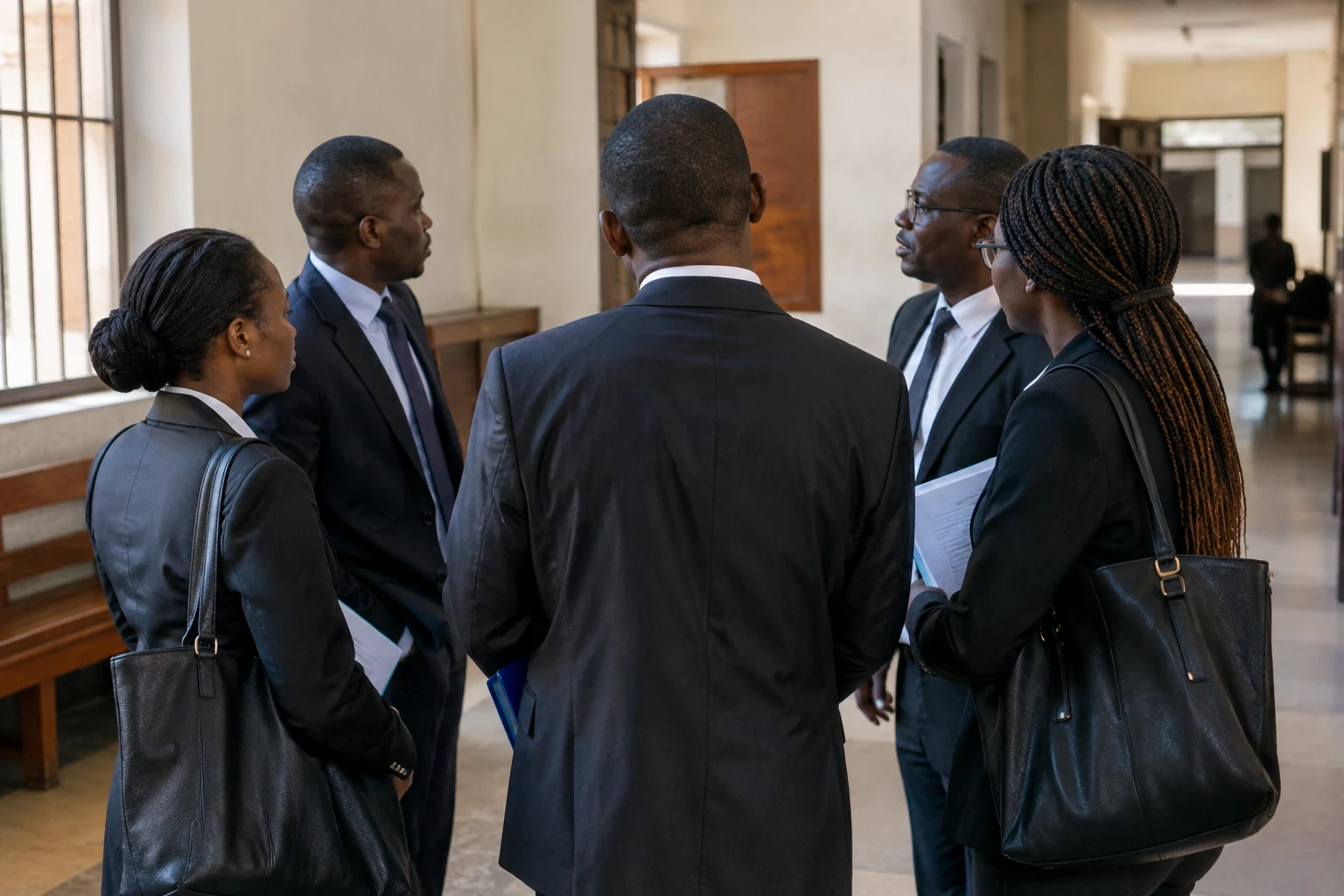
For the victims of detention and torture committed in Bangui in 2013, the conviction does not close the case. The International Criminal Court (ICC) must still determine Mahamat Saïd Abdel Kani’s sentence, while deciding what weight to give the years he has already spent in detention.
A trial focused on acts committed in Bangui
The case stems from the violence that followed the Séléka coalition’s seizure of power in 2013, and the subsequent clashes with anti-balaka groups. The Central African Republic has seen several legal proceedings relating to these crimes, before both national and international courts. The ICC acts under the principle of complementarity: it can intervene when national authorities are unable or unwilling genuinely to prosecute crimes within its jurisdiction.
Responsibility is shared with Central African institutions. The Special Criminal Court, established in Bangui with national and international judges, investigates and tries serious crimes committed in the country. The two mechanisms are not interchangeable: the ICC tries individuals for specific acts, while national courts can handle other cases and help bring justice closer to the communities concerned.
At the regional level, the Central African Republic belongs to the Economic Community of Central African States (ECCAS) and the Central African Economic and Monetary Community (CEMAC). These organisations are not ruling on the case, but judicial stability in the country matters in a region where political crises and population displacement sometimes cross borders.
Defence rejects idea of symbolic responsibility
Trial Chamber VI of the ICC found Mahamat Saïd Abdel Kani guilty on 23 September 2026 of crimes against humanity: imprisonment or other severe deprivation of liberty, torture, persecution and other inhumane acts. The crimes took place at the Central Office for the Repression of Banditry (OCRB) in Bangui between 12 April and 30 August 2013. The Chamber did not find him guilty of the war crimes also included in the charges.
The proceedings are now focused on sentencing. Hearings on this stage took place in The Hague on 10 and 11 November. The prosecutor sought a sentence of at least 20 years, according to the material submitted. The defence, meanwhile, stressed the time already spent in detention and what it described as its client’s limited role within Séléka.
His lawyer, Dov Jacobs, rejected the idea that Mahamat Saïd could become the “symbolic scapegoat” for all the crimes attributed to the coalition. He argued that his client was not a senior leader. Arrested on 24 January 2021, the accused had spent nearly six years in detention by the time of the November hearings. The defence is asking the judges to take this period into account when determining the sentence.
It also referred to former Séléka officials who, it said, now hold government positions without having been prosecuted by international justice. This argument raises questions about consistency and the selection of those prosecuted. However, it does not, by itself, answer the Chamber’s findings on the acts attributed to Mahamat Saïd.
Sentence still to come, conviction open to appeal
No sentence was handed down at the end of the hearings. The ICC says the parties and victims’ representatives made submissions on sentencing, and that the judges will deliver their decision at a later date. Both the defence and the prosecution will also be able to appeal the conviction. The proceedings therefore remain open, even though the Chamber has already ruled on several charges.
For the victims, the sentence matters, but it does not sum up the justice delivered. International proceedings establish individual responsibility and put facts on record. They do not replace reparations, investigations into other alleged perpetrators, or the work of Central African courts. Moreover, a trial held in the Netherlands remains far from the places and people directly affected in Bangui and the regions.
The debate over time spent in detention also raises the question of proportionality in sentencing. The judges will have to consider the gravity of the crimes established and the circumstances specific to the accused, without turning the conviction of one man into a blanket judgement on all members of a movement. This is precisely the point made by his lawyer. The Chamber will have to assess it in light of the facts proven in this case.
Implications for the Central African Republic beyond The Hague
The case highlights both the contribution and the limitations of international justice in the Central African Republic. The ICC has found that crimes were committed in a detention centre in the capital. But it is not trying all the violence of 2013 and cannot, on its own, meet the expectations of all victims. Complementarity with national courts therefore remains crucial.
Two milestones lie ahead: the sentencing decision, expected at a later date, followed by any appeals. Reparations will also be addressed in separate proceedings. In the Central African Republic, the question will be how these decisions fit alongside national trials and reparation efforts. The verdict’s significance will be measured not only by the length of the sentence, but also by the place given to victims and the continuation of judicial proceedings.



