
 Egypt
 Libya
 Morocco
 Sudan
 Tunisia
 Benin
 Burkina Faso
 Cabo Verde
 Côte d'Ivoire
 Ghana
 Guinea
 Guinea-Bissau
 Liberia
 Mali
 Mauritania
 Niger
 Nigeria
 Senegal
 Sierra Leone
 The Gambia
 Togo
 Cameroon
 Central African Republic
 Chad
 DR Congo
 Equatorial Guinea
 Gabon
 Republic of the Congo
 São Tomé and Príncipe
 Burundi
 Comoros
 Djibouti
 Eritrea
 Ethiopia
 Kenya
 Madagascar
 Malawi
 Mauritius
 Mozambique
 Rwanda
 Seychelles
 Somalia
 South Sudan
 Tanzania
 Uganda
 Angola
 Botswana
 Eswatini
 Lesotho
 Namibia
 South Africa
 Zambia
 Zimbabwe
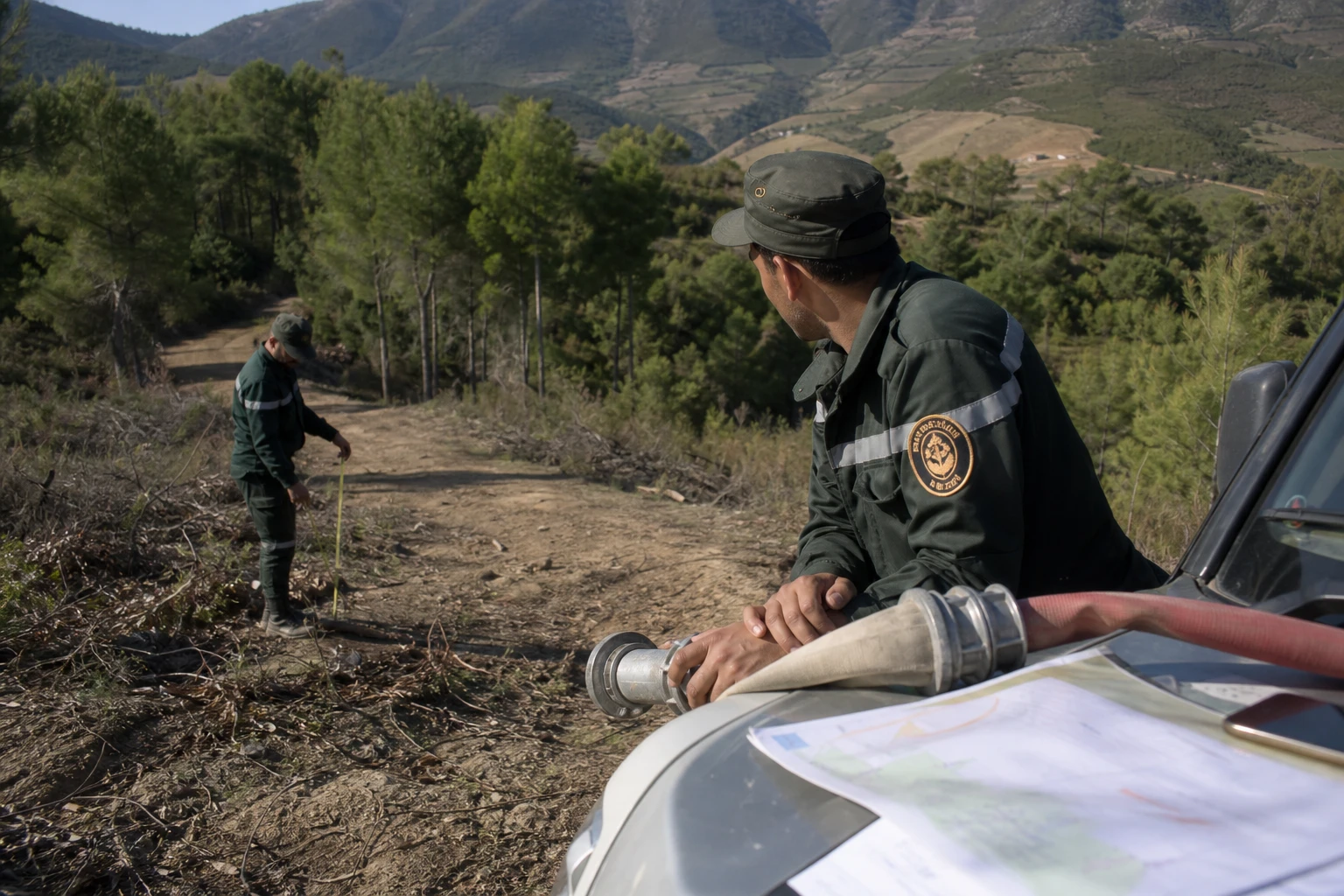
In Algeria, debate over forest fires quickly moved beyond the question of fighting the flames. After the deadly fires of summer 2021, MPs approved a major tightening of the Penal Code. The text targets deliberate arson, but also revives an older question: how far can the state extend the death penalty when no execution has taken place since 1993 ?
Fires that scarred north-eastern Algeria
In August 2021, several wilayas in northern Algeria were hit by simultaneous fires. Kabylie, Béjaïa, Jijel, Sétif and Tizi Ouzou were among the worst-affected areas. The flames destroyed forests, scrubland, farmland and homes.
The death toll changed over the course of several days. The authorities initially reported 12 deaths in several fires recorded at the end of August. This episode should not be confused with the fires in mid-August, which caused a far heavier death toll. In that first wave, dozens of civilians and military personnel died, particularly in Kabylie.
President Abdelmadjid Tebboune declared three days of national mourning from 12 August 2021. The decision temporarily suspended government and local activities, with the exception of solidarity operations. Algerian Radio, citing the presidency, confirmed the measure as rescue teams continued their work.
In Jijel, the fires advanced along a particularly long stretch of territory. Steep terrain, winds and difficult access to some areas hampered the work of Civil Protection. As in other Mediterranean countries, drought and high temperatures also helped the fires spread. However, they are not, on their own, enough to establish the fires’ origin.
Parliament broadens use of the death penalty
The bill adopted by the National People’s Assembly provides for the death penalty for people convicted of deliberately setting fire to forests, wooded areas, farmland or wood stored in those areas. The text therefore applies to intentional acts established by the courts, not accidental fires or fires caused by natural conditions.
The reform also extends capital punishment to some child abductions when accompanied by torture, sexual assault or mutilation. The government presents these provisions as a response to crimes considered the most serious. Justice Minister Lotfi Boudjemaa defended the bill before MPs, according to Algeria Press Service.
The text still had to be examined by the Council of the Nation, the upper house of Algeria’s parliament, before possible promulgation by the president. Its adoption by MPs therefore did not yet mean it had come into force.
The minister also claimed that deliberate fires had, in his view, reached the level of organised crime. He raised the possibility of links to foreign actors and presented these acts as a threat to the integrity of national territory. These allegations remain matters for investigation and must be distinguished from facts established by the courts.
A break with the moratorium in place since 1993 ?
The death penalty remains part of Algerian law. However, Algeria has observed a de facto moratorium on executions since 1993. Courts continue to hand down death sentences, notably in terrorism cases, but no execution has been carried out since that date.
This puts the country in an intermediate position. Algeria has not abolished the death penalty in law. However, it no longer applies it in practice. The new text does not therefore reinstate a principle that had been abandoned. It expands the number of offences that could theoretically lead to a death sentence.
For Amnesty International Algeria, this development raises a fundamental concern. The organisation believes capital punishment addresses neither the causes of fires nor possible shortcomings in prevention. Instead, it is calling for stronger forest surveillance, detection resources and response capacity.
The debate is therefore not solely about the severity of penalties. It also concerns the entire prevention chain: maintaining tracks, access for emergency services, aerial resources, coordination between wilayas and public information. In rural areas, residents and farmers are often the first to spot fires starting. Their inclusion in alert systems can be just as decisive as adding a new penalty to the Penal Code.
A political response to a security and environmental crisis
The tougher measures come amid national tensions. The 2021 fires were accompanied by mutual accusations, rumours and political tensions. In several localities, volunteers and residents took part in rescue operations. Conversely, the spread of unverified information sometimes made it harder to determine responsibility.
The courts will therefore have to establish precisely the difference between deliberate criminal conduct, negligence, an accident and an allegation based on rumour. This distinction is essential in a field where the damage is visible, but the person who started a fire is not always immediately identifiable.
The criminal response also affects different areas in different ways. In large cities, the issue is seen through the lens of security and property protection. In the forested areas of Kabylie and the north-east, it directly affects homes, orchards, livestock and livelihoods. An effective policy will have to take these local realities into account, rather than relying solely on the maximum penalty.
An issue that extends beyond Algeria’s borders
Forest fires are part of a broader Mediterranean trend. Algeria shares with Tunisia and Morocco risks linked to extreme temperatures, drought and pressure on forest areas. Regional cooperation could cover alerts, risk mapping, team training and the deployment of aerial resources.
Across Africa, the issue also highlights the need to better coordinate civil protection, agricultural policy and climate adaptation. The Maghreb countries have different ecosystems, but face more intense heatwaves and longer dry seasons. Forest protection is therefore not solely a matter for the police or the courts.
For Algeria, the next steps were to be twofold: complete the parliamentary process and demonstrate that the new system can be underpinned by solid investigations. The central question remains unchanged: will the threat of capital punishment be enough to prevent fires if detection and protection resources do not improve at the same pace ?



