
 Egypt
 Libya
 Morocco
 Sudan
 Tunisia
 Benin
 Burkina Faso
 Cabo Verde
 Côte d'Ivoire
 Ghana
 Guinea
 Guinea-Bissau
 Liberia
 Mali
 Mauritania
 Niger
 Nigeria
 Senegal
 Sierra Leone
 The Gambia
 Togo
 Cameroon
 Central African Republic
 Chad
 DR Congo
 Equatorial Guinea
 Gabon
 Republic of the Congo
 São Tomé and Príncipe
 Burundi
 Comoros
 Djibouti
 Eritrea
 Ethiopia
 Kenya
 Madagascar
 Malawi
 Mauritius
 Mozambique
 Rwanda
 Seychelles
 Somalia
 South Sudan
 Tanzania
 Uganda
 Angola
 Botswana
 Eswatini
 Lesotho
 Namibia
 South Africa
 Zambia
 Zimbabwe
A ministerial meeting can open an industrial door, but it cannot build a factory. In Algeria, the challenge now is to turn foreign carmakers’ interest into lasting orders for local businesses, skilled jobs and parts genuinely made in the country.
An exploratory meeting, with no investment announced
On 13 October 2026, in Algiers, Algeria’s Minister of Industry, Farid Kourtel, received a delegation from General Motors (GM). It was led by Rohan Fernandes, the group’s head for Egypt and Africa. Discussions focused on automotive cooperation, local production and the development of subcontracting, according to the ministry, as cited by Algeria Press Service.
No investment agreement, factory project or timetable was announced. The meeting therefore marked an initial contact, not a decision to produce vehicles in Algeria. The distinction matters: cooperation announcements only become industrial achievements when they are backed by specific commitments, identified suppliers and verifiable milestones.
The talks come as the authorities seek to move the sector beyond assembling vehicles from imported parts. The strategy aims to develop a national supplier network and increase the share of components made locally. It is part of a broader shift in Algeria’s industrial policy, under which foreign partnerships are expected to drive skills transfer and local production.
Subcontracting, a cornerstone of the revival
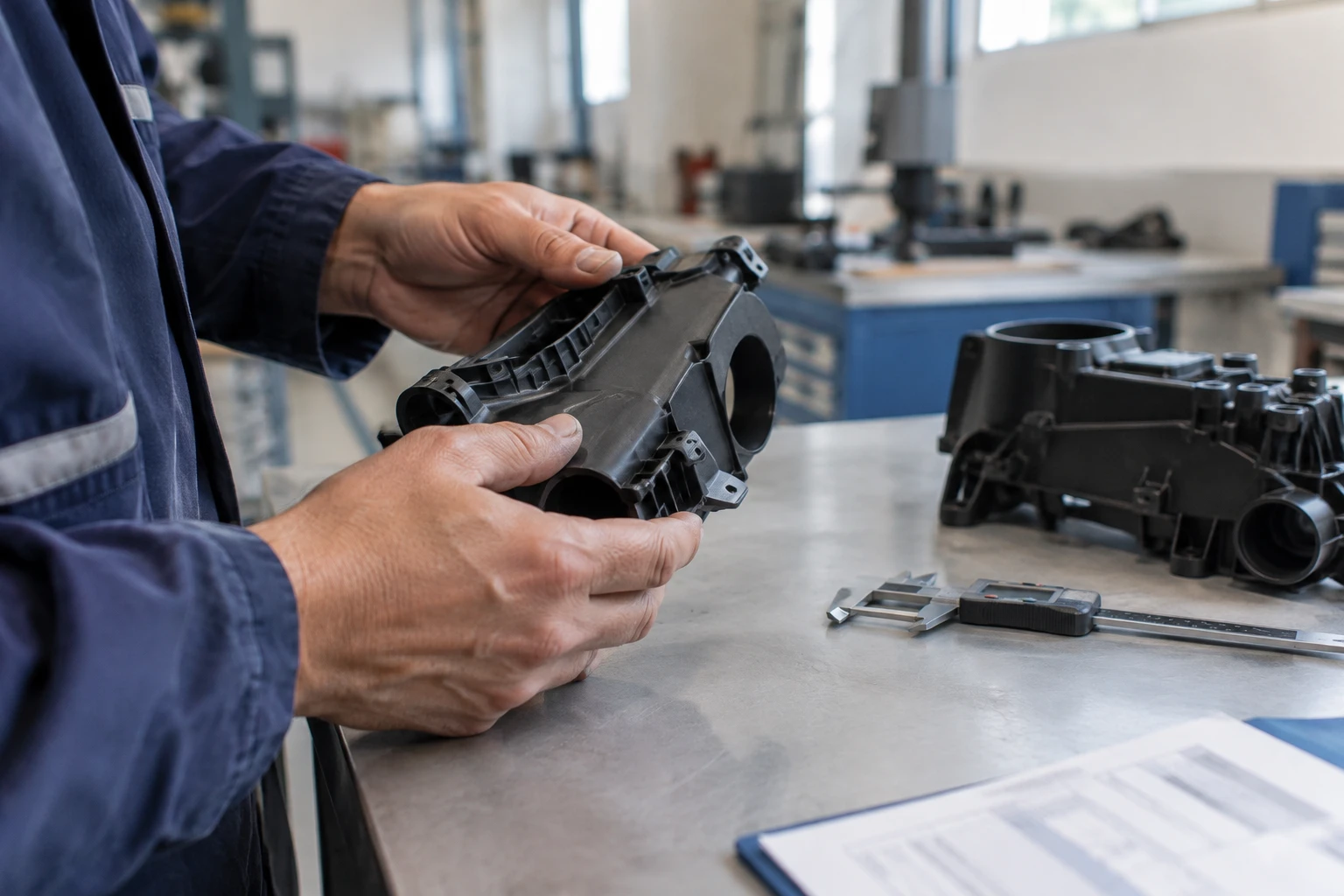
One concrete example can be found in Tissemsilt. On 24 September, a unit run by General Plastic Injection (GPI), dedicated to technical plastic components for the automotive industry, was inaugurated. Bringing this type of facility into operation can bring suppliers closer to production lines and reduce some purchases from abroad. But its impact will depend on order volumes, required quality and local companies’ ability to meet carmakers’ standards. The inauguration was reported by Algerie Eco.
The 2027 draft finance bill adds a tax incentive. It proposes exempting certain components and raw materials imported or bought locally by subcontractors in the mechanical, electronics and electrical industries from customs duties and VAT. The measure remains a proposal until the bill has completed its legislative process. It is intended to reduce production costs, but its effectiveness will depend on how it is implemented and whether small and medium-sized enterprises can access the schemes provided. The draft is presented in the parliamentary proceedings of the National People’s Assembly and detailed by the Algerian outlet TSA.
For policymakers, the priority is to attract investment and reduce the import bill. For subcontractors, the challenge is more immediate: securing regular contracts, financing equipment and training employees. The benefits may also vary between regions. Large plants are often concentrated in industrial zones, while smaller suppliers may be spread across several wilayas. Without access to markets and skills, the promise of a national industry risks benefiting mainly those already well established.
Projects to deliver, within a still-regional framework
GM is not the only carmaker considering a presence or partnerships in Algeria. Hyundai confirmed an assembly plant project in August, estimated at $400 million, with production planned for 2027. However, according to the information available, the project is still awaiting final approvals. In July, Opel and Algerian holding company AGM signed a memorandum of understanding aimed at localising engine production. A memorandum sets out an intention to cooperate; on its own, it does not guarantee that manufacturing will begin. The two projects were reported respectively by Algerian media, including Algerie Eco, and by APS.
This caution is a reminder of an important precedent. Algeria has already seen automotive projects centred on assembly, with ambitions for local integration that have not always been met. The current revival differs in its focus on suppliers, parts and the regulatory framework. It will nevertheless have to show that the new rules can generate sustained industrial activity rather than a succession of announcements.
At regional level, Algeria is a member of the Arab Maghreb Union (AMU), which also includes Libya, Mauritania, Morocco and Tunisia and aims to promote economic integration among its members. The organisation has set out, among other goals, the creation of a common market, but the Algerian industrial projects described here remain primarily national. In time, a stronger local base could facilitate the exchange of components and expertise across the region. That would require effective trade and logistics links between Maghreb businesses, rather than investments pursued separately in each country. The AMU’s objectives are set out on its official website.
The significance of the issue therefore extends beyond the possible arrival of General Motors. The test will be to measure what is actually produced in Algeria, the role reserved for local suppliers and the stability of the proposed rules. For now, the US carmaker has discussed possibilities; the announcements concerning Hyundai, Opel and subcontractors must also be followed through to see whether they are delivered.



