
 Egypt
 Libya
 Morocco
 Sudan
 Tunisia
 Benin
 Burkina Faso
 Cabo Verde
 Côte d'Ivoire
 Ghana
 Guinea
 Guinea-Bissau
 Liberia
 Mali
 Mauritania
 Niger
 Nigeria
 Senegal
 Sierra Leone
 The Gambia
 Togo
 Cameroon
 Central African Republic
 Chad
 DR Congo
 Equatorial Guinea
 Gabon
 Republic of the Congo
 São Tomé and Príncipe
 Burundi
 Comoros
 Djibouti
 Eritrea
 Ethiopia
 Kenya
 Madagascar
 Malawi
 Mauritius
 Mozambique
 Rwanda
 Seychelles
 Somalia
 South Sudan
 Tanzania
 Uganda
 Angola
 Botswana
 Eswatini
 Lesotho
 Namibia
 South Africa
 Zambia
 Zimbabwe
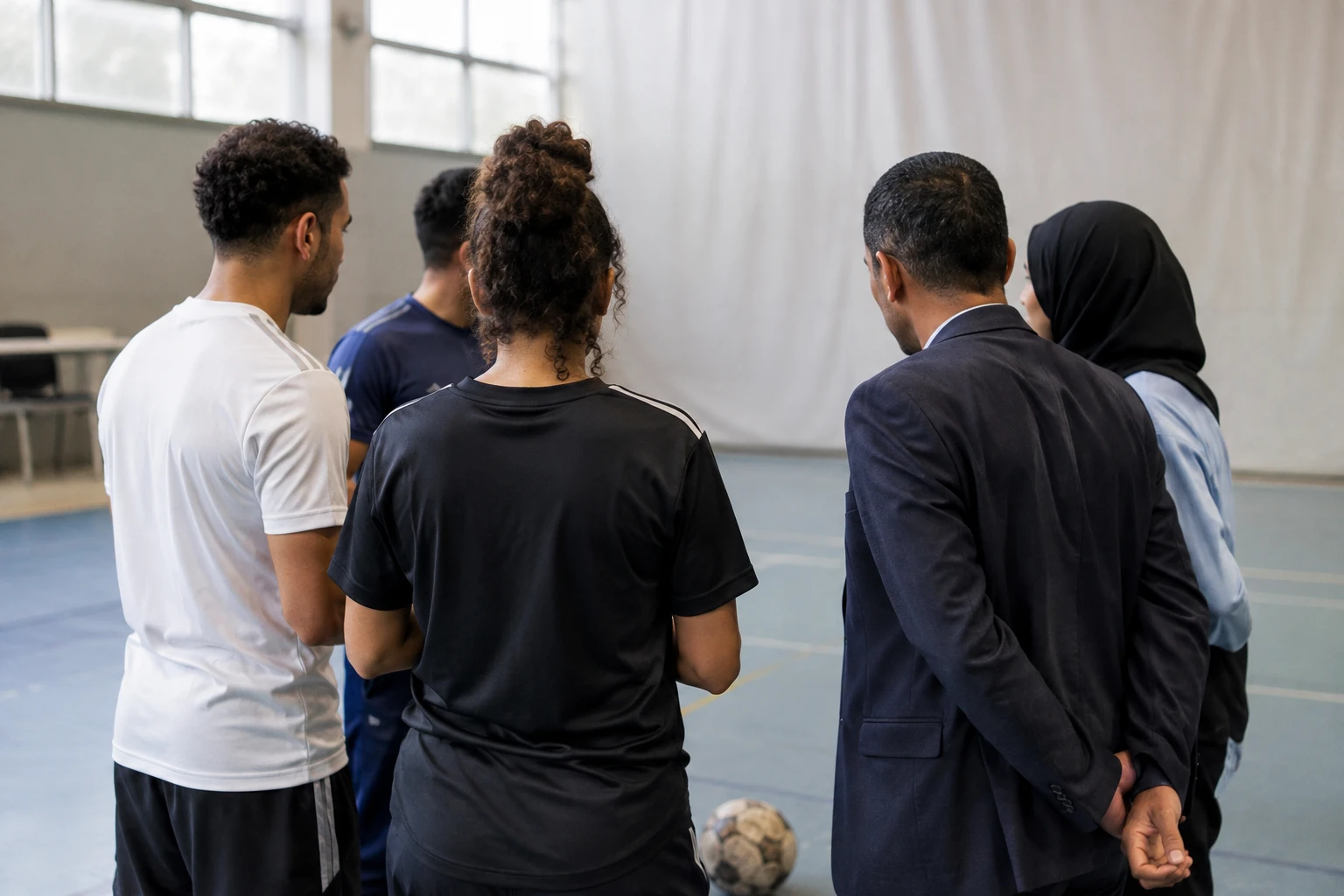
Can a football match influence the fate of a journalist detained thousands of miles away? In Paris on Wednesday 11 November 2026, figures from sport, the media and culture laced up their boots to draw attention to Christophe Gleizes, imprisoned in Algeria for 500 days. The gesture is symbolic. His family’s wait is not.
Sporting solidarity beyond the pitch
At the call of Reporters Without Borders (RSF), the teams played in shirts marked “Free Gleizes”. Florence Aubenas, Élise Lucet, Edwy Plenel, former international Robert Pirès and comedian Kheiron were among the participants, according to RSF and reports of the event. People close to the journalist were also there. His mother, Sylvie Godard, and stepfather, Francis, used the platform to appeal to Algerian President Abdelmadjid Tebboune for a pardon.
The match has no judicial authority and no direct effect on a presidential decision. It does, however, keep the case in the public eye, as the criminal proceedings have ended and the family awaits a political decision. Christophe Gleizes’s brother and a friend took part in the match. For those close to him, this show of collective support breaks, at least temporarily, the isolation of waiting.
The choice of football also reflects the journalist’s profession. A specialist in the sport, Christophe Gleizes had travelled to Algeria to work on Jeunesse sportive de Kabylie (JSK), a club from Tizi Ouzou. Robert Pirès said that those approached could turn up and use their visibility to support the journalist.
Judicial proceedings now concluded
Arrested in Kabylie in May 2024, Christophe Gleizes was initially placed under judicial supervision. On 29 June 2025, a court in Tizi Ouzou sentenced him to seven years in prison. The charges included “apology for terrorism” and possession of publications deemed to undermine the national interest. The court of appeal upheld the sentence on 3 December 2025.
According to reports by media outlets and press-freedom organisations, the prosecution was linked to his contacts with a JSK official who was also associated with the Movement for the Self-Determination of Kabylie (MAK), which was banned and designated a terrorist organisation by the Algerian authorities in 2021. RSF says several of these exchanges dated back to 2015 and 2017. The Algerian authorities, for their part, applied the criminal provisions used against the journalist. An accurate account of the facts requires distinguishing the judicial accusations from the evidence challenged by Gleizes’s defence and supporters.
In May 2026, the journalist withdrew his appeal to the Court of Cassation. The Supreme Court subsequently acknowledged the withdrawal and dismissed the prosecution’s appeal, bringing the judicial proceedings to an end. This step does not mean he will be released: it makes a presidential pardon possible, which is a separate decision. As of 11 November, Christophe Gleizes was still being held. His sentence has been confirmed by independent press sources and professional organisations mobilised around his case.
Kabylie and relations between Algiers and Paris
The case is set in a region where questions of identity, politics and security are closely intertwined. Kabylie, in north-eastern Algeria, is an important centre of Amazigh culture and a focus of political dissent. The Algerian authorities regard the MAK as a terrorist organisation; this designation underpins the prosecution in the case. However, journalistic work on a football club is not, in itself, enough to establish political allegiance: the nature of the contacts and how they are interpreted lie at the heart of the case.
The case also unfolds against the backdrop of strained French-Algerian relations, marked by diplomatic crises and sensitive legal disputes. Gleizes’s family has asked Paris to step up its efforts, while French officials have called for his release. In June 2026, press reports highlighted the role of other disputes between the two countries in bilateral discussions. These factors help explain the context but do not allow one to conclude that a diplomatic exchange will determine the journalist’s fate.
For the Algerian authorities, the issue concerns the application of their anti-terrorism laws and judicial sovereignty. For the family, it is about the return of a loved one after a long detention. For press organisations, the case raises questions about freedom to report and the limits placed on foreign journalists. These concerns are distinct, even as they converge in calls for a pardon.
A message that resonates far beyond the match
The Paris mobilisation is a reminder that sport can provide a visible platform for a cause without replacing judicial or diplomatic efforts. Gleizes’s supporters have already sought to make their appeal heard in the world of football. But the next decisive event will not be a sporting fixture: it will be a possible decision by President Abdelmadjid Tebboune. No date for a pardon had been announced in the information available as of 11 November 2026.
The significance of the case extends beyond relations between France and Algeria. In North Africa, as elsewhere on the continent, cases involving national security, press freedom and diplomacy test public confidence in institutions. The Gleizes case therefore calls for two separate strands to be followed: developments in his detention and the political context surrounding any possible clemency. In Paris, the match made the wait visible; it has not yet shortened it.



