Egypt
 Libya
 Morocco
 Sudan
 Tunisia
 Benin
 Burkina Faso
 Cabo Verde
 Côte d'Ivoire
 Ghana
 Guinea
 Guinea-Bissau
 Liberia
 Mali
 Mauritania
 Niger
 Nigeria
 Senegal
 Sierra Leone
 The Gambia
 Togo
 Cameroon
 Central African Republic
 Chad
 DR Congo
 Equatorial Guinea
 Gabon
 Republic of the Congo
 São Tomé and Príncipe
 Burundi
 Comoros
 Djibouti
 Eritrea
 Ethiopia
 Kenya
 Madagascar
 Malawi
 Mauritius
 Mozambique
 Rwanda
 Seychelles
 Somalia
 South Sudan
 Tanzania
 Uganda
 Angola
 Botswana
 Eswatini
 Lesotho
 Namibia
 South Africa
 Zambia
 Zimbabwe
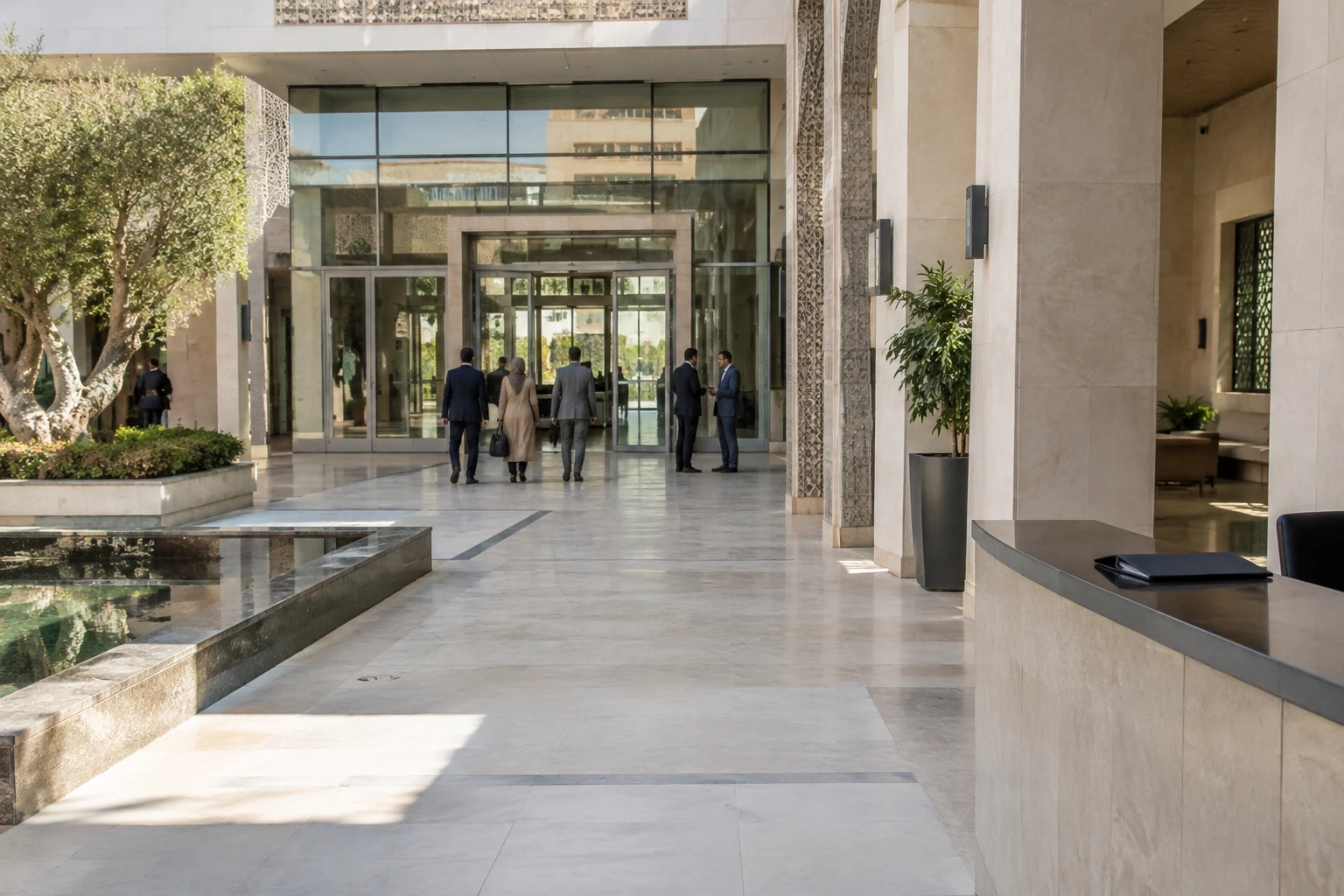
For the people of Western Sahara, the stakes in the negotiations go beyond the choice of an institutional arrangement. They also concern the possibility of having a say in the territory’s future status. In Rabat, Morocco is defending autonomy under its sovereignty. The Polisario Front, for its part, is calling for the self-determination of the Sahrawis.
Dialogue resumes, with no agreement on the outcome
After several years without direct discussions, three rounds of talks brought together Morocco, the Polisario Front, Algeria and Mauritania in early 2026. The meetings were held in Washington on 18 and 19 January, in Madrid on 8 and 9 February, and again in Washington on 23 and 24 February, according to the account in the annual report of UN Secretary-General António Guterres, dated 1 October. The document bears the reference S/2026/781.
The discussions addressed concrete proposals, including a more detailed version of Morocco’s autonomy plan presented in 2007, as well as a possible council and a transitional framework agreement. These remain proposals under discussion: they do not constitute a concluded agreement or prove that the participants have accepted a transition. Positions on sovereignty and self-determination remain at odds.
The resumption of talks falls within the framework set by Security Council resolution 2797, adopted on 31 October 2025. It places Morocco’s autonomy plan at the centre of negotiations, while seeking a mutually acceptable outcome and reaffirming self-determination. The Polisario Front continues to advocate a referendum, while Algeria contests the resolution’s framing. The UN mission, MINURSO, has been responsible for the issue since 1991.
Two diplomatic tempos, one shared obstacle
Guterres’s report stresses the need to continue dialogue and build trust. This gradual approach contrasts with the diplomatic urgency projected by Washington, which helped bring the parties together and draw up a draft framework agreement with the UN. The gap is therefore over pace and method, not the existence of a compromise already reached.
US mediation has given the meetings momentum. But three rounds of talks have not been enough to bring the parties closer on the central issues. A lack of trust, particularly between Morocco and the Polisario Front, remains an obstacle. An accelerated timetable can keep negotiators at the table; it cannot, by itself, resolve the political disagreement.
The report also recommends extending MINURSO’s mandate by one year, until 31 October 2027. The Security Council is due to consider the mission’s future in October. This deadline gives the debate immediate significance: members will have to decide on the UN mandate as the political process resumes, but with no settlement in sight.
Sahrawis’ consent at the heart of the debate
How the Sahrawis are consulted is a decisive issue. The Secretary-General stresses the need for meaningful consultation on any potential agreement and international guarantees for its implementation. This does not settle the form that consultation should take. The Polisario Front advocates a referendum on self-determination; Morocco presents autonomy as a possible political solution under its sovereignty.
These differences have practical consequences. An agreement on institutions, the sharing of resources or security arrangements would affect people living in the territory, as well as displaced Sahrawis and their families. The arrangements for representation and participation would shape the legitimacy of any settlement. Discussions about a transition therefore cannot be conflated with a transition already accepted by the people concerned.
The regional context further complicates negotiations. The dispute has fuelled tensions between Morocco and Algeria, two major North African actors, for decades. Mauritania takes part in the discussions as a directly affected neighbour. The Arab Maghreb Union, a regional framework to which all three countries belong, has not resolved the dispute. The diplomatic impasse is therefore weighing on already limited regional cooperation.
MINURSO and the Security Council under pressure
The debate is not only about the text of a future agreement. It also concerns MINURSO’s role if the negotiations make progress. The United States has called for a substantial reduction in the mission, while Guterres recommends maintaining its mandate until the end of October 2027. A renewal would preserve a UN presence as talks continue; it would not prejudge their outcome.
In the Security Council, members’ positions shape the negotiating framework, but cannot replace the parties’ agreement or consultation with the Sahrawis. In October, the vote on the mission will show whether members favour continuity or a revision of its role. The 2025 resolution strengthened the place of the autonomy plan in discussions, without erasing the disagreement over self-determination.
The issue thus extends beyond relations between Rabat and the Polisario Front. For North Africa, it affects the stability of relations between Morocco, Algeria and Mauritania. For the African Union, it is a reminder that diplomatic support or an institutional formula does not resolve the question of Sahrawi participation. The next step will be twofold: the Council will decide on MINURSO’s mandate, while negotiators will have to clarify whether the transition proposals can bring positions closer, without presenting as settled an agreement that does not exist.