Egypt
 Libya
 Morocco
 Sudan
 Tunisia
 Benin
 Burkina Faso
 Cabo Verde
 Côte d'Ivoire
 Ghana
 Guinea
 Guinea-Bissau
 Liberia
 Mali
 Mauritania
 Niger
 Nigeria
 Senegal
 Sierra Leone
 The Gambia
 Togo
 Cameroon
 Central African Republic
 Chad
 DR Congo
 Equatorial Guinea
 Gabon
 Republic of the Congo
 São Tomé and Príncipe
 Burundi
 Comoros
 Djibouti
 Eritrea
 Ethiopia
 Kenya
 Madagascar
 Malawi
 Mauritius
 Mozambique
 Rwanda
 Seychelles
 Somalia
 South Sudan
 Tanzania
 Uganda
 Angola
 Botswana
 Eswatini
 Lesotho
 Namibia
 South Africa
 Zambia
 Zimbabwe
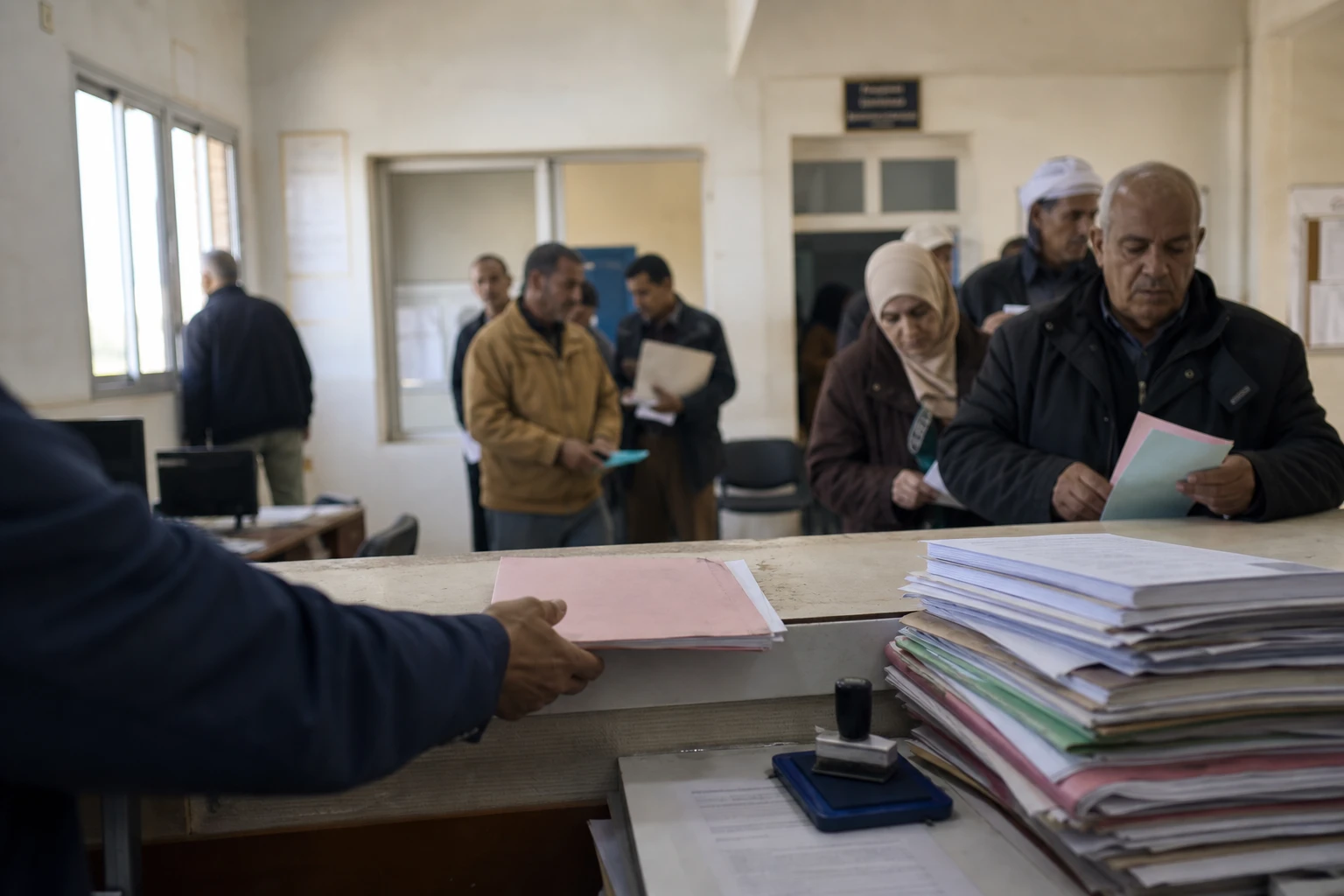
A country watches a well, then its entire emergency response chain
In rural areas of Algeria, an accident can quickly become a national issue. When a child falls into a dry well, it is not only a family left waiting in anguish: the incident also raises questions about abandoned structures, the monitoring of boreholes and the ability of emergency services to operate in extreme conditions. In Algeria, the case struck a nerve because it combined a human emergency, silent anger over everyday hazards and hopes pinned on the Civil Protection service.
The tragedy occurred in El Bayadh province, in the west of the country, in the village of Rekna, which is part of the municipality of Ghassoul. This region, far from Algiers and characterised by vast rural areas, is a reminder that the safety of wells, boreholes and agricultural structures remains a real concern, well beyond urban centres. Yet Algeria has internationally recognised rescue units: in April 2026, its urban search and rescue team was reclassified in line with INSARAG standards, the UN framework governing specialist teams in disaster response.
Four days of efforts, a fatal outcome
The 10-year-old fell on Wednesday 2 September 2026 into a dry artesian well. According to details corroborated by several media outlets, the boy was carrying a bottle of water to his brother when the makeshift cover over the opening gave way. Civil Protection then launched a complex operation, as a direct descent was impossible because the structure was extremely narrow and about 80 metres deep. The team had to dig a parallel well, then open a horizontal passage towards the spot where the child was.
On Saturday 5 September, rescuers finally located and recovered Ayoub’s body. The information was confirmed by Civil Protection, which said its services, together with the local authorities, had mobilised all available human and material resources. Anadolu Agency reports that work on the parallel well was completed on Friday night into Saturday, before an officer descended to try to reach the child through a horizontal tunnel, without success.
The events held the country’s attention for four days. Beyond the grief, they exposed the technical complexity of a rescue in rocky terrain, involving excavators, inspection cameras and support from private construction companies. They also served as a reminder that a rapid response is not always enough when an accident involves an old, narrow and poorly secured structure. In Algeria, where Civil Protection is already dealing with several emergencies, the operation came during a period of heavy demands linked to forest fires in several provinces.
A Maghreb-wide debate on abandoned wells and rural safety
The tragedy goes beyond the case of El Bayadh. It points to a reality found in several rural areas of the Maghreb: old wells, or those dug without clear signage, remain accessible when they should not be. The issue is sensitive because it concerns the safety of children, the responsibility of owners or operators, and the ability of local authorities to identify hazardous sites before an accident occurs. In cases like this, prevention matters as much as rescue.
In Algeria, the issue is also institutional. Civil Protection has demonstrated a formal increase in capability in recent months through its INSARAG reclassification, but the number of emergencies across the country is testing coordination between provinces, municipalities, technical services and private operators. The forest-fire crisis of summer 2026, still documented by international media and national sources, has highlighted the range of risks facing Algerian emergency services, from wildfires to accidents in rural areas. The El Bayadh case therefore underscores a simple necessity: address hidden hazards before they become public tragedies.
Across the continent, the case resonates because of its very practical dimensions. In many African countries, the challenge is not only to announce civil protection plans, but to map everyday risks: abandoned boreholes, unsecured wells, old rural buildings, remote roads and unequal access to emergency services. This is where much of prevention happens, long before major conferences or statements of principle. For Algeria, as for other African states, the lesson is clear: territorial safety also depends on monitoring the most modest structures.