Algeria
 Egypt
 Libya
 Morocco
 Sudan
 Tunisia
 Benin
 Burkina Faso
 Cabo Verde
 Côte d'Ivoire
 Ghana
 Guinea
 Guinea-Bissau
 Liberia
 Mali
 Mauritania
 Niger
 Nigeria
 Sierra Leone
 The Gambia
 Togo
 Cameroon
 Central African Republic
 Chad
 DR Congo
 Equatorial Guinea
 Gabon
 Republic of the Congo
 São Tomé and Príncipe
 Burundi
 Comoros
 Djibouti
 Eritrea
 Ethiopia
 Kenya
 Madagascar
 Malawi
 Mauritius
 Mozambique
 Rwanda
 Seychelles
 Somalia
 South Sudan
 Tanzania
 Uganda
 Angola
 Botswana
 Eswatini
 Lesotho
 Namibia
 South Africa
 Zambia
 Zimbabwe
Putting debt back on track without making households pay twice
In Senegal, the debate is not just financial. It comes down to a simple question: who picks up the bill when the state has to repair damaged public accounts? Behind the technical agreement reached with the International Monetary Fund, the political battle is already centred on a word everyone is reluctant to use openly: restructuring, or debt treatment.
The discussion comes at a sensitive time for Dakar. The country is emerging from a period of sweeping revisions to its public figures, after the discovery of undeclared liabilities changed the scale of the problem. In the West African Economic and Monetary Union, where the public debt threshold is generally set at 70% of GDP, Senegal is now far above the regional benchmark.
What the IMF agreement says
On 1 September 2026, IMF staff and the Senegalese authorities announced a staff-level agreement on a 36-month programme under the Extended Credit Facility, worth about $2.2bn. The Fund says the programme aims to restore macroeconomic stability, debt sustainability and budget transparency, and to increase social spending. The agreement remains subject to approval by the IMF’s executive board.
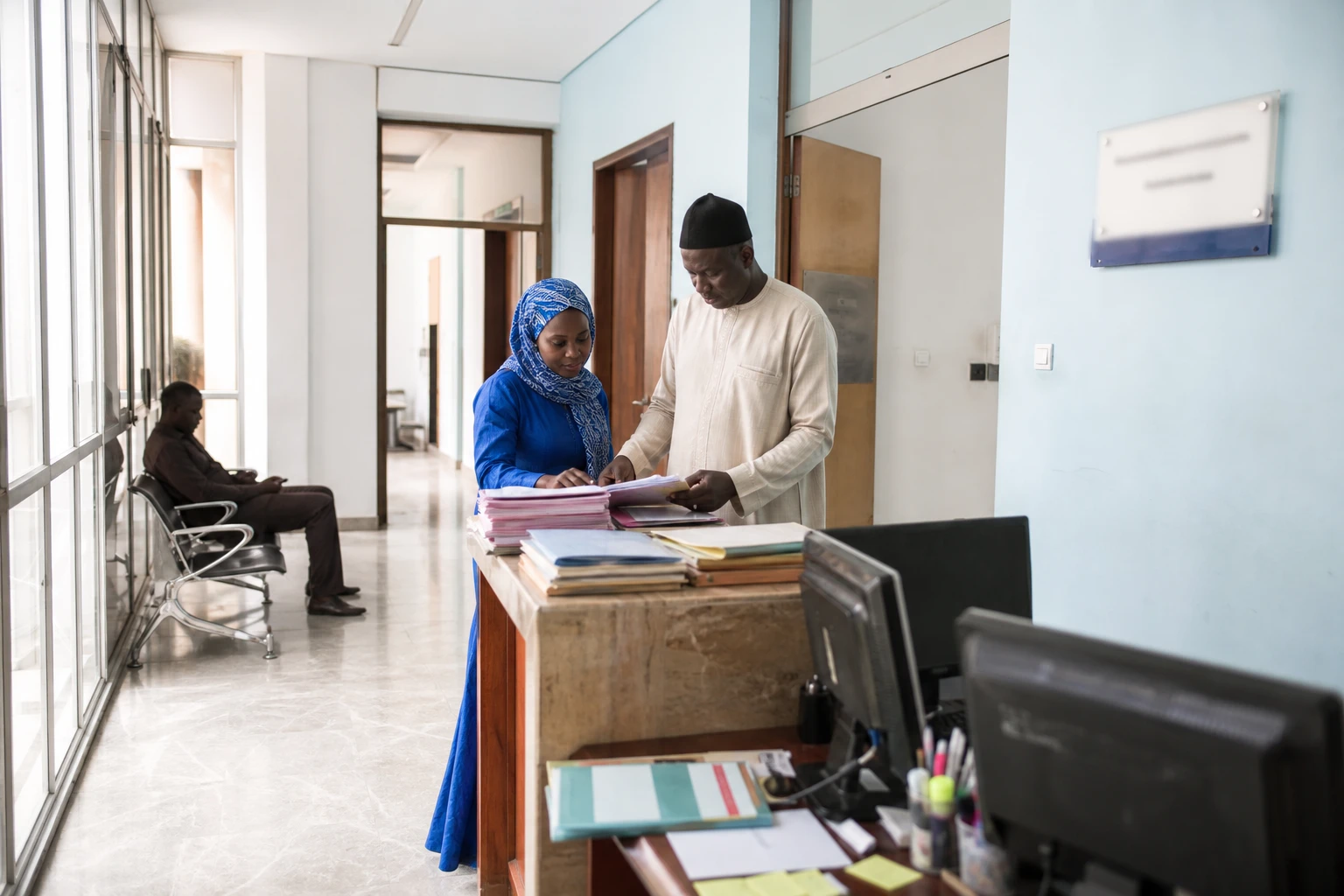
On the Senegalese side, the Ministry of Economy, Finance and Planning has presented Senegal’s Debt Treatment Plan, or PTDS. The government says it wants to take control of the debt trajectory through a “sovereign” strategy, devised in Dakar rather than imposed from outside. The ministry also says the budget deficit fell from 13.4% of GDP in 2024 to 6.4% in 2025, following reforms launched since the public finance audit.
But one point remains central: the IMF says Senegal will need to seek debt treatment to restore sustainability. This wording suggests that rescheduling, changes to maturities or other operations on certain claims are possible. The government, meanwhile, uses more cautious language and speaks of active debt management.
Pastef demands figures, not formulas
Against this backdrop, Pastef-Les Patriotes is calling for the precise terms of the arrangement to be made public. The party, from which President Bassirou Diomaye Faye and Prime Minister Ousmane Sonko hail, is demanding full transparency on the conditions for debt treatment and its consequences for households. Its argument is political, but also budgetary: if repayment terms change, people must be told who will pay what, and at what social cost.
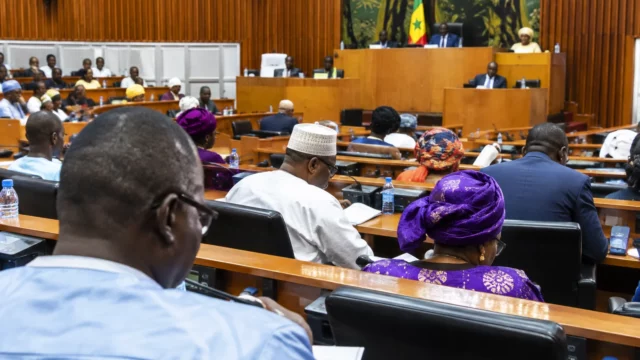
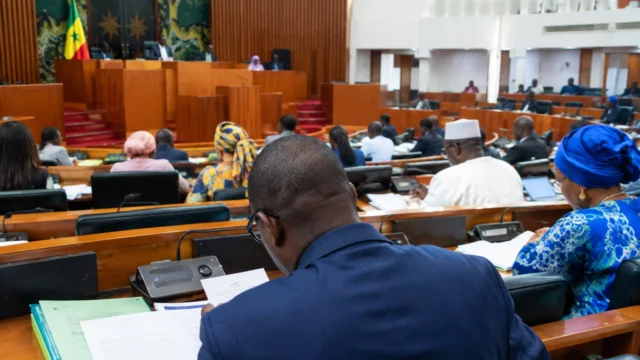
Ayib Daffé, president of Pastef’s parliamentary group, sums up this position by refusing to let Senegalese people “pay twice”: first through the burden of poorly understood debt, then through a possible increase in taxes, cuts to subsidies or a squeeze on social spending to finance its correction. This concern is not abstract in a country where the state has already promised to preserve student grants, universal health coverage and certain social safety nets.
The government’s response is that attention should turn to the future. Its argument is that reducing the debt burden should free up fiscal space to protect useful spending. In other words, less money devoted to debt service could, in theory, leave more room for public services. But that effect will depend on the final form of debt treatment, the timetable chosen and the scale of the concessions secured from creditors.
Why the stakes go beyond Dakar’s political face-off
Senegal’s case is being closely watched across West Africa. Senegal belongs to the WAEMU, where the BCEAO and common rules set a shared framework for budgetary discipline. When one of the union’s heavyweight economies reports debt far above the threshold, it raises a regional question: how far can states fund their development on the markets without weakening their room for manoeuvre?
Senegal’s case is also distinctive because it combines debt, transparency and statistical credibility. The authorities have acknowledged that liabilities were under-reported. The IMF now estimates total public debt at 132% of GDP at the end of 2024. This is a much heavier starting point than earlier estimates and requires the accounts to be corrected, as well as the public record.
For creditors, the message is clear: Senegal wants to continue meeting its payment deadlines while reshaping its debt in an orderly way. As evidence, the ministry said it had initiated the transfer for the coupon on a eurobond maturing on 13 September, while the country still has to show that it can reconcile external payments, reforms and social protection.
The continental significance is clear. Other highly indebted African economies are watching the case, because it will show whether a state can put its finances in order without undermining growth or its social contract. Senegal is trying to show that adjustment is possible without a rupture, by relying on greater transparency, better debt management and clearer trade-offs between repayment, investment and household protection. It is this fragile balance, more than the agreement itself, that will be judged in the coming months.