Algeria
 Egypt
 Libya
 Morocco
 Sudan
 Tunisia
 Benin
 Burkina Faso
 Cabo Verde
 Côte d'Ivoire
 Ghana
 Guinea
 Guinea-Bissau
 Liberia
 Mali
 Mauritania
 Niger
 Nigeria
 Sierra Leone
 The Gambia
 Togo
 Cameroon
 Central African Republic
 Chad
 DR Congo
 Equatorial Guinea
 Gabon
 Republic of the Congo
 São Tomé and Príncipe
 Burundi
 Comoros
 Djibouti
 Eritrea
 Ethiopia
 Kenya
 Madagascar
 Malawi
 Mauritius
 Mozambique
 Rwanda
 Seychelles
 Somalia
 South Sudan
 Tanzania
 Uganda
 Angola
 Botswana
 Eswatini
 Lesotho
 Namibia
 South Africa
 Zambia
 Zimbabwe
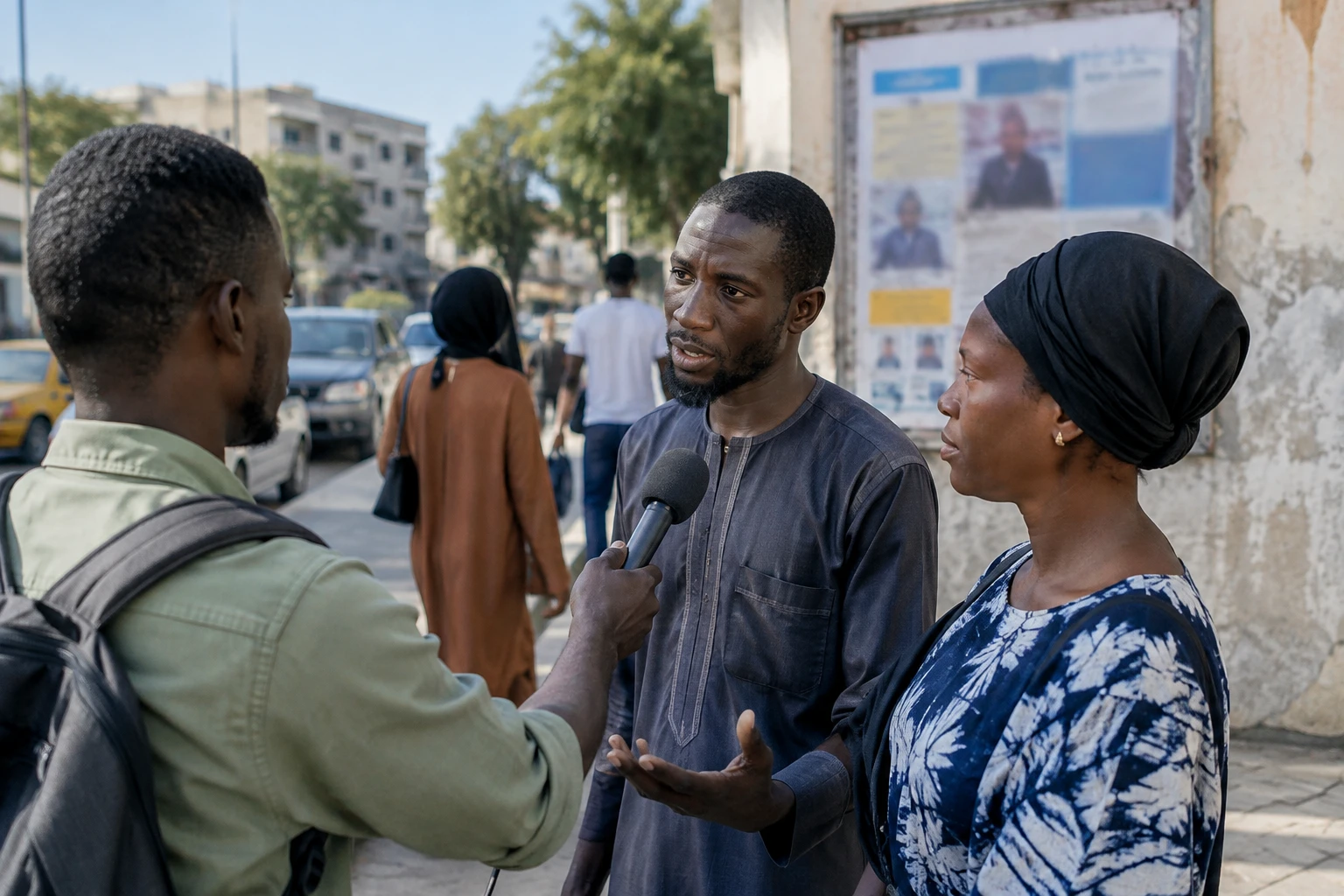
At Lompoul, on Senegal’s northern coast, search operations have already produced a heavy toll. But behind the number of bodies recovered, one question remains unanswered: how many people had boarded, and how many are still missing? This uncertainty complicates the work of rescuers and families alike.
A toll that rises as searches continue
On Monday 9 November 2026, the toll announced by the Senegalese Press Agency (APS) stood at 39 dead and one survivor. Four additional bodies had been found that morning. Searches were continuing along a roughly 25-kilometre stretch of coastline that is difficult to access, where currents move the bodies.
The figures have changed rapidly since the shipwreck was reported. On 8 November, President Bassirou Diomaye Faye referred to at least 34 dead and one survivor. A Senegalese media outlet then reported an interim toll of 35 bodies recovered. The APS published a figure of 39 deaths the following day. These successive counts reflect the progress of the search, not the total number of passengers, which has not been established.
According to the APS situation update, 24 victims had been identified and their bodies handed over to their families. Other bodies remained to be identified. An investigation has been opened to determine the circumstances of the tragedy. The interior minister visited the scene, while the authorities announced that emergency services had been mobilised and that relatives would be supported.
The pirogue is believed to have sunk off Lompoul, in the Kébémer department of the Louga region. Bodies were found along the coast, including in the Tébène area. The precise circumstances, the vessel’s point of departure and the number of people on board remain to be confirmed. The toll of bodies recovered must therefore be distinguished from the still-unknown number of people missing.
A sea route that crosses borders
Senegal’s coast lies on an Atlantic migration route linking West Africa to the Canary Islands, Spanish territory. The journey exposes passengers to a long voyage on the high seas. A damaged pirogue, a breakdown or difficult conditions can quickly lead to tragedy. Departures and routes also shift in response to enforcement and perceived risks, but this does not establish the course taken by the vessel from Lompoul.
The phenomenon affects several countries in the region, not Senegal alone. Routes may begin or pass along neighbouring coasts, while rescue services, smuggling networks and enforcement policies cross national borders. Cooperation between West African countries and Spain therefore concerns a regional route. However, it does not replace the identification of victims or examination of the conditions that lead people to undertake the crossing.
Arrival figures for the Canary Islands do not directly measure departures from Senegal: they include people of different nationalities and several routes. For the same reason, Spanish data cannot establish how many passengers were on this pirogue. The tragedy must first be documented through local operations and verified information about the victims.
Beyond rescue, the stakes for families
In the short term, the priority is twofold: to find any people who may still be missing and to identify the bodies. For families, waiting for confirmation can delay funeral rites and prolong uncertainty. For local teams, searching an extensive coastline and the condition of the bodies make operations more difficult. Identification also requires contact with relatives and procedures that respect their dignity.
The tragedy also raises a public policy question. Interceptions and maritime controls may prevent some departures, but they are not enough to explain or eliminate the motivations for exile. Responses must be assessed on the basis of concrete results: preventing dangerous departures, combating the networks that organise crossings, rescuing people at sea and supporting families. Economic and social causes, meanwhile, vary from one journey to another and cannot be inferred from this shipwreck alone.
In Senegal, the situation has mobilised national and local authorities, as well as rescue teams and services responsible for identification. At regional level, it is a reminder that maritime safety and Atlantic migration also concern neighbouring countries and European partners. The key development to watch is now the progress of the searches and the findings of the investigation. Until the number of passengers and the number of missing people are known, the human toll cannot be considered final.
The first reports of bodies being found were carried by the Senegalese Press Agency. The updated toll of 39 dead was also reported by the APS. President Bassirou Diomaye Faye’s response was reported in an earlier agency update, while Senego reported an interim toll of 35 bodies.