
 Egypt
 Libya
 Morocco
 Sudan
 Tunisia
 Benin
 Burkina Faso
 Cabo Verde
 Côte d'Ivoire
 Ghana
 Guinea
 Guinea-Bissau
 Liberia
 Mali
 Mauritania
 Niger
 Nigeria
 Senegal
 Sierra Leone
 The Gambia
 Togo
 Cameroon
 Central African Republic
 Chad
 DR Congo
 Equatorial Guinea
 Gabon
 Republic of the Congo
 São Tomé and Príncipe
 Burundi
 Comoros
 Djibouti
 Eritrea
 Ethiopia
 Kenya
 Madagascar
 Malawi
 Mauritius
 Mozambique
 Rwanda
 Seychelles
 Somalia
 South Sudan
 Tanzania
 Uganda
 Angola
 Botswana
 Eswatini
 Lesotho
 Namibia
 South Africa
 Zambia
 Zimbabwe
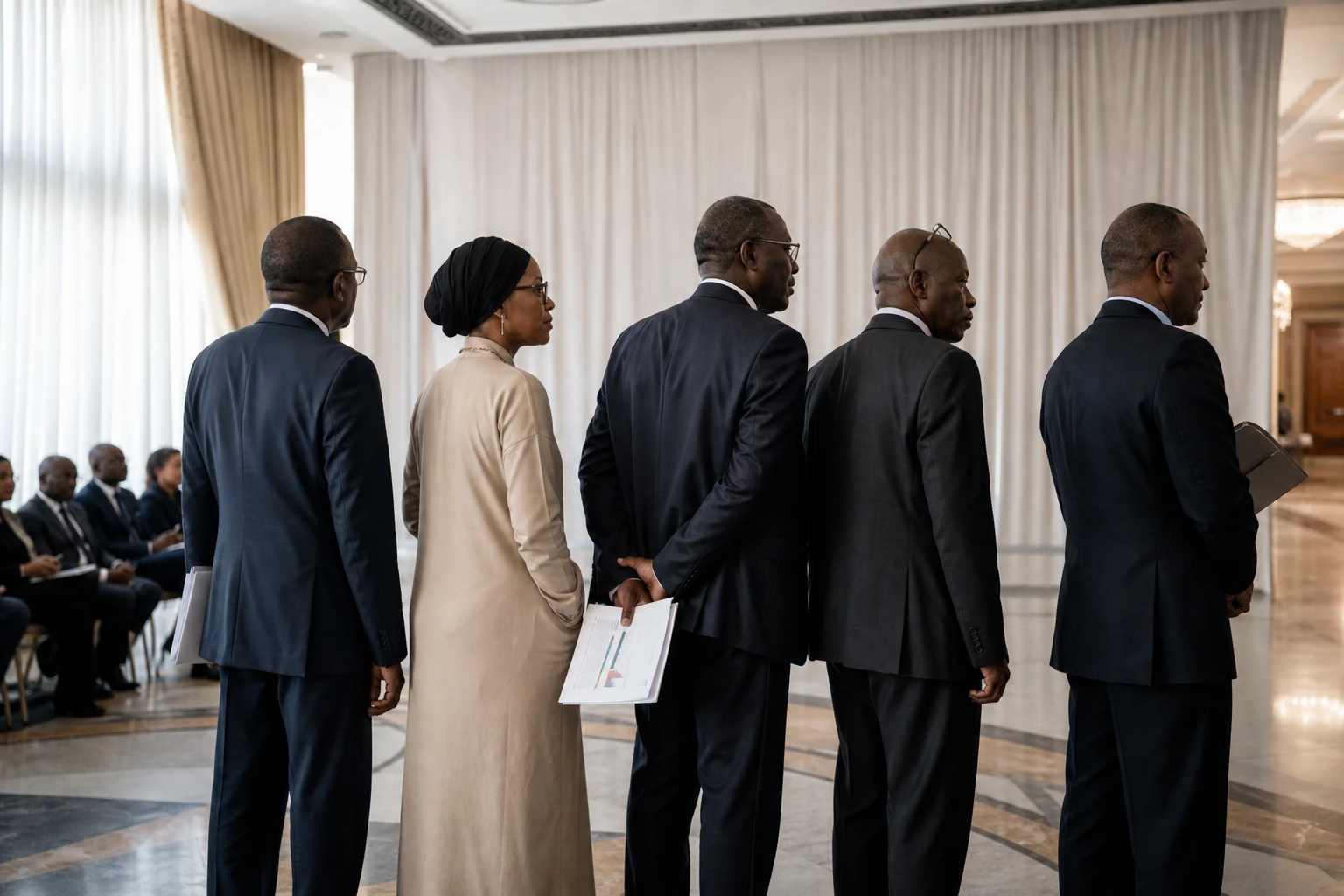
When the diaspora votes, its significance goes far beyond a seat count
In the Maghreb, expatriates are not merely financial contributors. They are also a political test. Are states willing to let some of their citizens take part in electoral contests from abroad, with a distinct voice and elected representatives of their own? The answer differs markedly between Algiers, Tunis and Rabat.
The issue goes beyond electoral mechanics. It concerns the place accorded to citizens living outside the country, the trust governments place in them and the freedom they are willing to allow them. In all three countries, the diaspora features in official rhetoric. But when it comes to turning that symbolic weight into parliamentary representation, the balance becomes more complicated.
Three systems, three political choices
In Algeria, the Constitutional Court validated the final results of the 2 July 2026 legislative elections on 18 July 2026. Twelve seats in the National People’s Assembly have gone to the diaspora, up from eight in the previous parliamentary term. Turnout among Algerian voters abroad was 10.75%, according to the final results published in Algiers. In other words, expatriate voters remain little mobilised, but retain direct access to parliament.
This is no marginal role. It brings the national community abroad into the country’s institutional life, while keeping it within a framework strongly shaped by the dominant parties. The FLN, the RND and the El Moustakbal Front share most of the seats won abroad. The diaspora therefore does not vote on the margins of the system; it feeds into it, following the same party-discipline dynamics as voters inside the country.
In Tunisia, the reverse trend began after the institutional overhaul of 2022. The decree-law of 15 September 2022 sets the total number of seats in the Assembly of the Representatives of the People at 161, including 10 for constituencies abroad. Before the reform, the diaspora had 18 seats out of a total of 217. The reduction is clear. It accompanies the shift from list-based voting to a single-member constituency system, profoundly changing how votes are translated into representation.
The contrast is significant. After 2011, Tunisia had built one of the region’s most open systems for its citizens abroad. The 2022 reform brought that representation down to a lower level, more dependent on the new institutional balance centred on the presidency. The Tunisian diaspora remains represented, but its autonomous political weight has diminished.
In Morocco, the right of Moroccans living abroad to vote and stand for election is indeed recognised. The 2011 Constitution provides the framework, and the royal speech of 6 November 2005 had already promised parliamentary representation. But for the legislative elections scheduled for 23 September 2026, none of the 395 seats in the House of Representatives is reserved for Moroccans living abroad (MREs). Moroccans abroad may stand as candidates, but only within a national constituency. Direct legislative voting from consulates is not organised.
What these differences reveal about domestic power dynamics
The difference between these three models is not incidental. It reveals how much political uncertainty each government is willing to import from abroad. The more the diaspora votes in designated constituencies, the more it can support organised political forces, sometimes different from those that dominate the national territory. This was precisely what happened in Tunisia after 2011, when party networks established in Europe influenced several elections.
In Algeria, the decision to maintain substantial representation abroad reflects a different logic. The government manages participation, but recognises the diaspora’s institutional role. The 12 newly elected MPs have a five-year mandate. They can take up very practical issues: civil registration, consular delays, air and sea links, access to administrative documents and services for families. These are everyday concerns, often more consequential than grand slogans about the nation abroad.
In Tunisia, reducing the number of seats abroad had a broader effect than a simple numerical adjustment. It narrowed the space for competition among parties able to organise across borders, at the very moment when the government was strengthening the executive’s central role. The diaspora remains visible, but its ability to shape a parliamentary majority has been sharply curtailed.
In Morocco, the absence of an overseas constituency leaves MRE representation in a hybrid space. It operates through money transfers, consular services, the large summer exodus and consultative bodies such as the Council of the Moroccan Community Abroad. This relationship is useful, but remains largely administrative and economic. It gives voters abroad no autonomous parliamentary channel. For part of this population, that amounts to incomplete citizenship. For the state, it also avoids a reshaping of the political landscape beyond the country’s borders.
An issue for the Maghreb, but also for Africa
The Maghreb is not alone in grappling with this dilemma. Across the continent, states seek to benefit from remittances, expertise and international networks built by their citizens living abroad. But they do not all accept the same degree of political autonomy for their diasporas. Between direct representation, reduced representation and mere legal recognition, there is a wide range of institutional choices.
The comparison between Algiers, Tunis and Rabat shows above all that a diaspora is never merely a source of foreign currency or a diplomatic showcase. It is also a potential electoral force, and therefore an actor in the redistribution of power. That is why the rules governing it are always political, even when presented as technical. The number of seats, the voting system, the drawing of constituencies and the conditions for voting all say something about the trust a regime places in its citizens living elsewhere.
In the coming months, attention will remain on Morocco, where the 23 September 2026 vote will show whether electoral reform may one day open up a clearer space for voters abroad. In Algeria, the diaspora’s new MPs will have to show whether their presence influences parliamentary debates. In Tunisia, finally, the question will be whether the shrinking of overseas representation proves lasting or is reconsidered in a future reform. In all three cases, the Maghreb diaspora remains a valuable indicator of the balance between citizenship, political control and institutional openness.



