Algeria
 Egypt
 Libya
 Morocco
 Sudan
 Benin
 Burkina Faso
 Cabo Verde
 Côte d'Ivoire
 Ghana
 Guinea
 Guinea-Bissau
 Liberia
 Mali
 Mauritania
 Niger
 Nigeria
 Senegal
 Sierra Leone
 The Gambia
 Togo
 Cameroon
 Central African Republic
 Chad
 DR Congo
 Equatorial Guinea
 Gabon
 Republic of the Congo
 São Tomé and Príncipe
 Burundi
 Comoros
 Djibouti
 Eritrea
 Ethiopia
 Kenya
 Madagascar
 Malawi
 Mauritius
 Mozambique
 Rwanda
 Seychelles
 Somalia
 South Sudan
 Tanzania
 Uganda
 Angola
 Botswana
 Eswatini
 Lesotho
 Namibia
 South Africa
 Zambia
 Zimbabwe
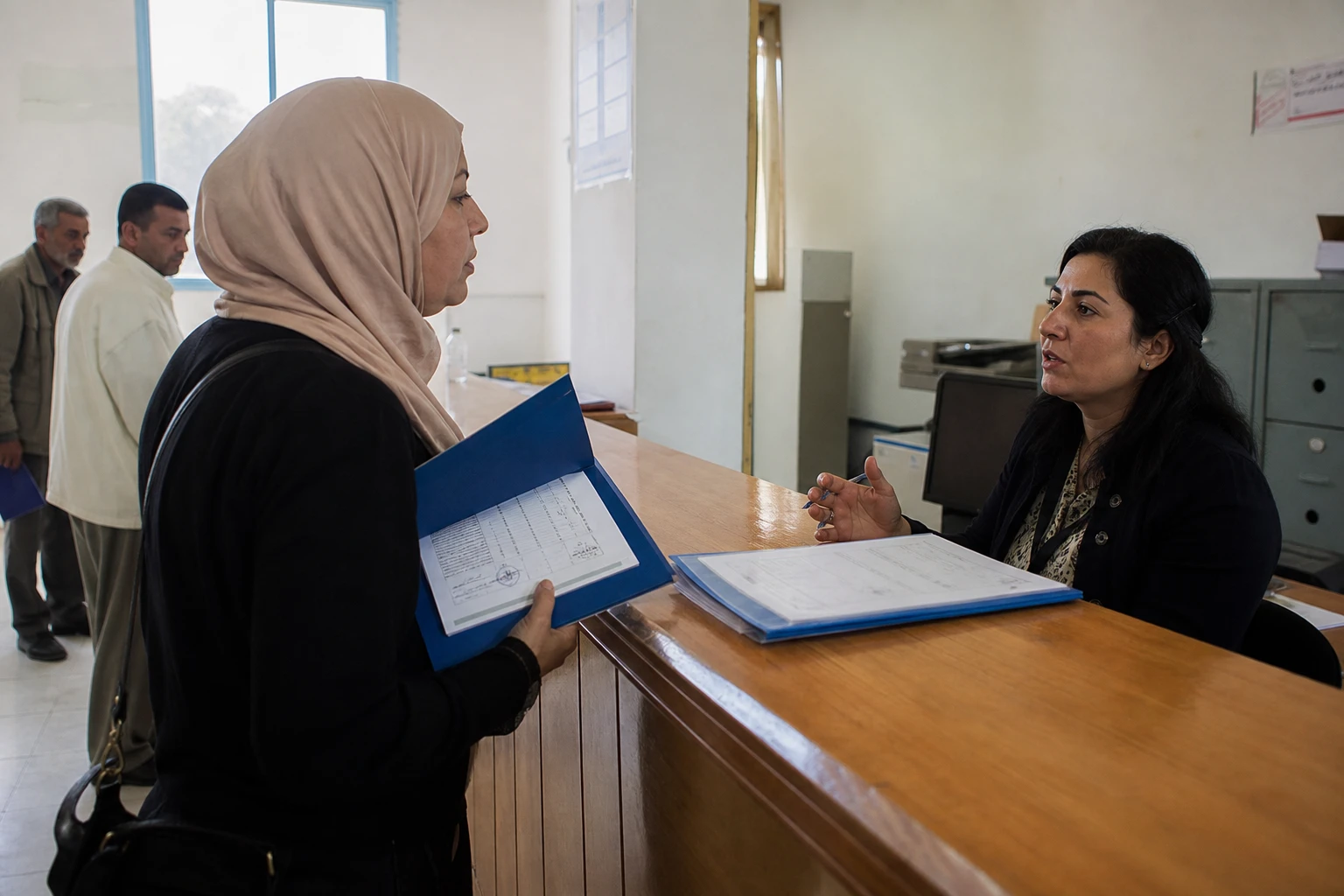
When Tunisian schools finally see the whole pupil
In Tunisian classrooms, dropping out does not always begin with failing exams. It can also stem from quiet distress, a breakdown in a pupil’s relationship with school, or a conflict that goes unnoticed for too long. This is where the school psychologist becomes a strategic player, not simply a last-resort source of support.
In Tunisia, this reality is becoming more visible as the 2026-2027 school year approaches. Education Minister Noureddine Nouri brought together school psychologists from every region in Carthage on 22 July. The message was clear: educational quality is no longer measured solely by marks, but also by an institution’s ability to support pupils in their psychological and social development.
This shift is taking place in a country where schools remain central to national cohesion. It also forms part of a broader North African context in which education systems are seeking to better align academic achievement, mental health and child protection. The issue is particularly sensitive in Tunisia, where school dropout and violence continue to weigh on the daily life of educational establishments.
Education reform aligned with Carthage’s priorities
The meeting in Carthage was not just an opportunity to hear from professionals. It also laid the foundations for an administrative initiative. The minister set out three areas of work for the next school year: strengthening communication between the ministry and psychologists, improving professional practices through continuing training, and making psychological support a lasting pillar of school quality.
The choice of Carthage was no coincidence. The site symbolises political decision-making at the highest level of the state. In Tunisia, education remains a highly centralised sector, managed from Tunis, with regional bodies responsible for implementing national policies. The announced reform therefore requires close co-ordination between the central administration, regional education offices, schools and families.
This approach echoes other recent signals. In early July, the ministry had already called for preparations for the 2026-2027 school year across the regions and for support for remote schools, particularly in rural areas. Tunisian schools are therefore seen both as a mass public service and as a space for social repair.
Resources still far below what is needed
The main obstacle is well known: staffing levels are not keeping pace. For 2026, the state has opened just 26 school psychologist posts through external competitive examinations, according to the order published by the ministry. The decision sends a political signal, but remains modest given the scale of the system.
Available figures show the size of the gap. In the 2025-2026 school year, Tunisia had about 2.3 million pupils and 6,164 educational establishments, according to official ministry data. Such numbers require a strong presence on the ground, even as school psychologists remain few in number and often isolated in their role.
The problem is not only one of numbers. At the meeting, psychologists said co-ordination between them, school leaders and families remained insufficient. In many schools, support still depends on a teacher or parent raising the alarm at a late stage. Prevention, however, requires faster referral channels and early identification.
Another indicator underscores the urgency. The dropout rate in lower secondary schools fell from 9.3% in 2020-2021 to 7.5% in 2023-2024, according to ministry data. That is real progress. But it is not enough to halt a phenomenon that continues to affect tens of thousands of pupils each year, according to estimates cited by several sector observers.
What mental health means for Tunisian schools
The debate in Tunisia goes beyond school psychology alone. It touches on how schools themselves are conceived. For a long time, results-based thinking dominated. Pupils were assessed, ranked and directed. Today, the ministry is more openly acknowledging that a pupil who is vulnerable, anxious or exposed to violence learns less effectively and is more likely to drop out.
This shift has very practical implications. For the central administration, it means adopting new management methods. For school heads, it calls for closer co-operation with psychologists. For families, it opens up a space for dialogue that remains uneven across regions. For pupils, particularly in working-class urban areas or less well-resourced regions, it can make the difference between staying in the system and a lasting break from education.
The issue is all the more sensitive because violence in schools increased by 19% between the beginning of 2023 and the first ten months of 2024, according to the National Education Observatory. In recent months, the ministry has also stepped up its focus on safety in schools and the protection of the education community. In this context, the school psychologist is not merely a care professional. They are becoming part of the prevention system.
The significance of this reform extends beyond Tunisia’s borders. In the Maghreb, as in other parts of the continent, governments are seeking to reduce dropout without reducing schools to a system of discipline. Tunisia is testing a useful approach: putting the pupil back at the centre, with their learning as well as their vulnerabilities. That is often where the credibility of education reform is decided.
A decisive milestone remains: the start of the 2026-2027 school year. That is when it will become clear whether the announcements in Carthage lead to smoother procedures, better training and a stronger presence of psychologists in schools. In a school system under pressure, what follows will show whether this reform truly changes daily life in Tunisian classrooms.