Algeria
 Egypt
 Libya
 Morocco
 Sudan
 Benin
 Burkina Faso
 Cabo Verde
 Côte d'Ivoire
 Ghana
 Guinea
 Guinea-Bissau
 Liberia
 Mali
 Mauritania
 Niger
 Nigeria
 Senegal
 Sierra Leone
 The Gambia
 Togo
 Cameroon
 Central African Republic
 Chad
 DR Congo
 Equatorial Guinea
 Gabon
 Republic of the Congo
 São Tomé and Príncipe
 Burundi
 Comoros
 Djibouti
 Eritrea
 Ethiopia
 Kenya
 Madagascar
 Malawi
 Mauritius
 Mozambique
 Rwanda
 Seychelles
 Somalia
 South Sudan
 Tanzania
 Uganda
 Angola
 Botswana
 Eswatini
 Lesotho
 Namibia
 South Africa
 Zambia
 Zimbabwe
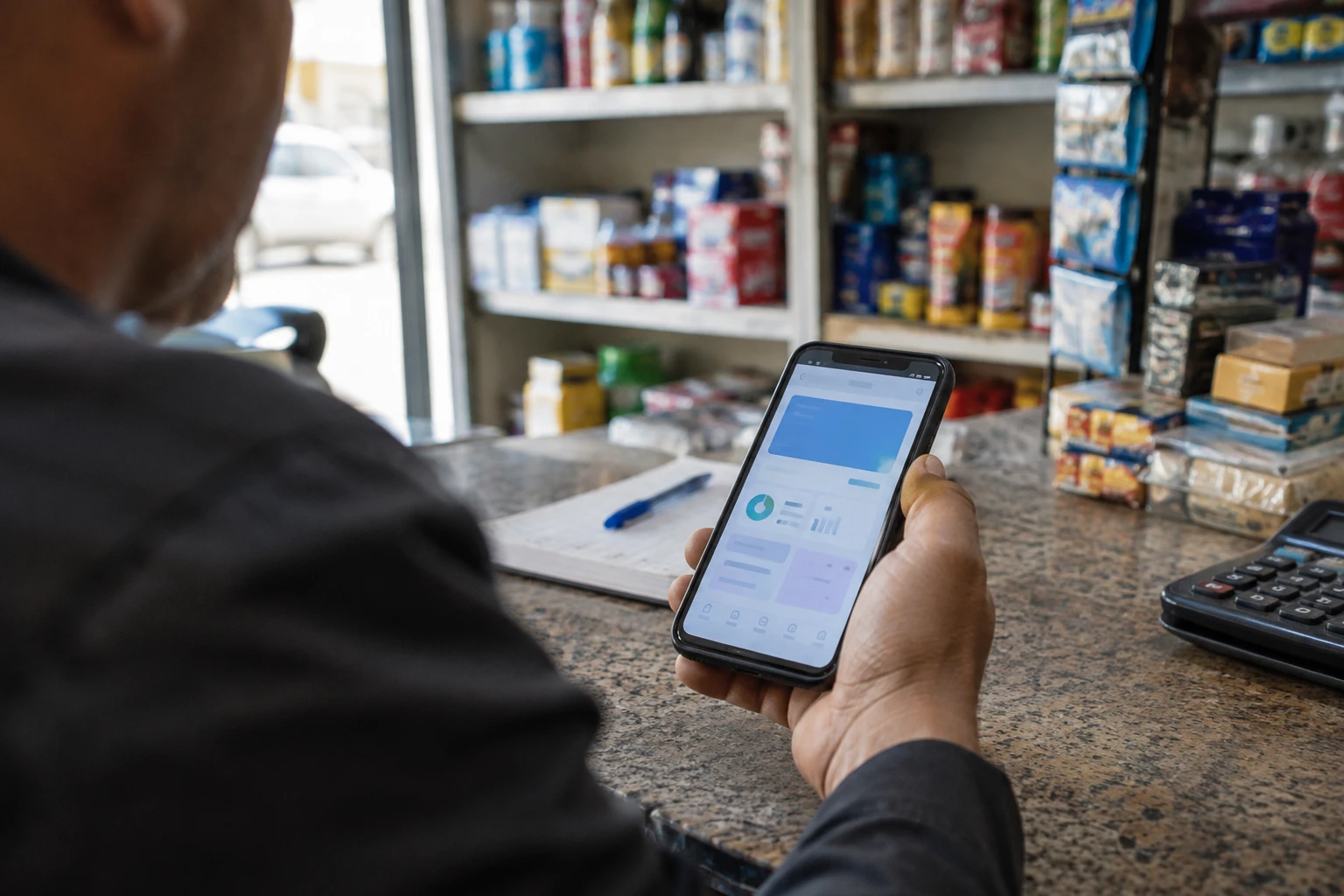
A growth forecast is measured by more than the figure announced. In Tunisia, the question is also how to finance that growth without squeezing companies’ access to credit or adding to pressure on public finances.
A higher target, still conditional
The Tunisian government is forecasting real growth of 3.1% in 2027, following an expected 2.7% in 2026. Prime Minister Sarra Zaafrani Zenzri presented these projections on 9 November before both chambers meeting in Tunis. This is a budget target, not an assured outcome.
The projection features in documents for the draft budget and economic report for 2027. The Tunisian news agency TAP has also reported the target. The authorities have revised down their estimate for 2026, initially set at 3.3%. The adjustment is a reminder that forecasts remain sensitive to production conditions and the external economic climate.
The government is counting on agriculture, industry, extractive activities and services. It also plans to accelerate investment, support exports and attract more foreign capital into high-value-added activities. Projects linked to energy, water and digital infrastructure are among the stated priorities.
The recovery is already visible in the national accounts, but remains moderate. According to the National Institute of Statistics (INS), gross domestic product grew by 2.3% year on year in the second quarter of 2026, after 2.6% in the first quarter. For the first half of the year as a whole, the prime minister’s office reported growth of 2.4%.
Financing, the main test of credibility
The pressure point is the resources needed to turn these priorities into concrete projects. The World Bank puts Tunisia’s public debt at 82.5% of GDP in 2025. It also notes increased reliance on domestic financing, including direct advances from the Central Bank, while access to external borrowing remains limited.
This strategy enables the state to cover some of its needs, but it can also force trade-offs. When banks lend more to the Treasury, private companies may find it harder to obtain loans. The cost and availability of credit will therefore weigh on productive investment, particularly for small businesses and those reliant on the domestic market.
Foreign currency reserves are another indicator to watch. The budget text cited in the available material put them at 23.7 billion dinars on 6 October 2026, equivalent to 92 days of imports. The data consulted from the Central Bank did not allow this precise figure to be confirmed. It should therefore be treated as an attributed figure, rather than independently verified here.
The International Monetary Fund dossier also remains unresolved. In October 2022, IMF staff and the Tunisian authorities reached a preliminary agreement on a $1.9bn financing arrangement. The agreement still required approval by the institution’s governing bodies. Differences over economic reforms subsequently prevented a programme from being concluded.
The debate is therefore not only about the volume of financing. It is also about its source and terms. The government emphasises economic sovereignty and preserving the state’s social role. Financial partners, meanwhile, stress the sustainability of public finances and the need for reforms. For households, budget choices have a direct impact on prices, public services and employment.
Results to be measured across all regions
The national average alone will not show whether the recovery benefits different regions. Agriculture depends on harvests and access to water. Industrial and tourism activities are concentrated in certain hubs, while other areas are waiting for investment and more stable employment. The promise of more evenly distributed development will therefore have to be assessed by where projects are located and the benefits they bring.
The authorities also forecast a 7.2% increase in per capita income in 2027. This projection should be distinguished from households’ actual disposable income: average trends may differ from those in wages, prices and employment in each sector. The ambition to bring Tunisia into the top third of upper-middle-income countries by the end of 2030 is likewise a long-term government aspiration.
At regional level, Tunisia belongs to the Arab Maghreb Union, alongside Algeria, Libya, Morocco and Mauritania. The organisation aims to promote co-operation among Maghreb countries. Trade, infrastructure and cross-border investment could expand opportunities for Tunisian businesses, but the announced growth target depends first and foremost on domestic decisions and financing that can be mobilised.
Parliamentary debate on the draft budget, scheduled for 10 to 25 November, is the next immediate step. Decisions on revenue, spending and investment will show what share of the announced objectives can be financed. To assess the trajectory, it will then be necessary to compare actual growth with forecasts, monitor companies’ access to credit and check whether investment reaches regions beyond Tunis.