Algeria
 Egypt
 Libya
 Morocco
 Sudan
 Benin
 Burkina Faso
 Cabo Verde
 Côte d'Ivoire
 Ghana
 Guinea
 Guinea-Bissau
 Liberia
 Mali
 Mauritania
 Niger
 Nigeria
 Senegal
 Sierra Leone
 The Gambia
 Togo
 Cameroon
 Central African Republic
 Chad
 DR Congo
 Equatorial Guinea
 Gabon
 Republic of the Congo
 São Tomé and Príncipe
 Burundi
 Comoros
 Djibouti
 Eritrea
 Ethiopia
 Kenya
 Madagascar
 Malawi
 Mauritius
 Mozambique
 Rwanda
 Seychelles
 Somalia
 South Sudan
 Tanzania
 Uganda
 Angola
 Botswana
 Eswatini
 Lesotho
 Namibia
 South Africa
 Zambia
 Zimbabwe
A date that means more than an anniversary
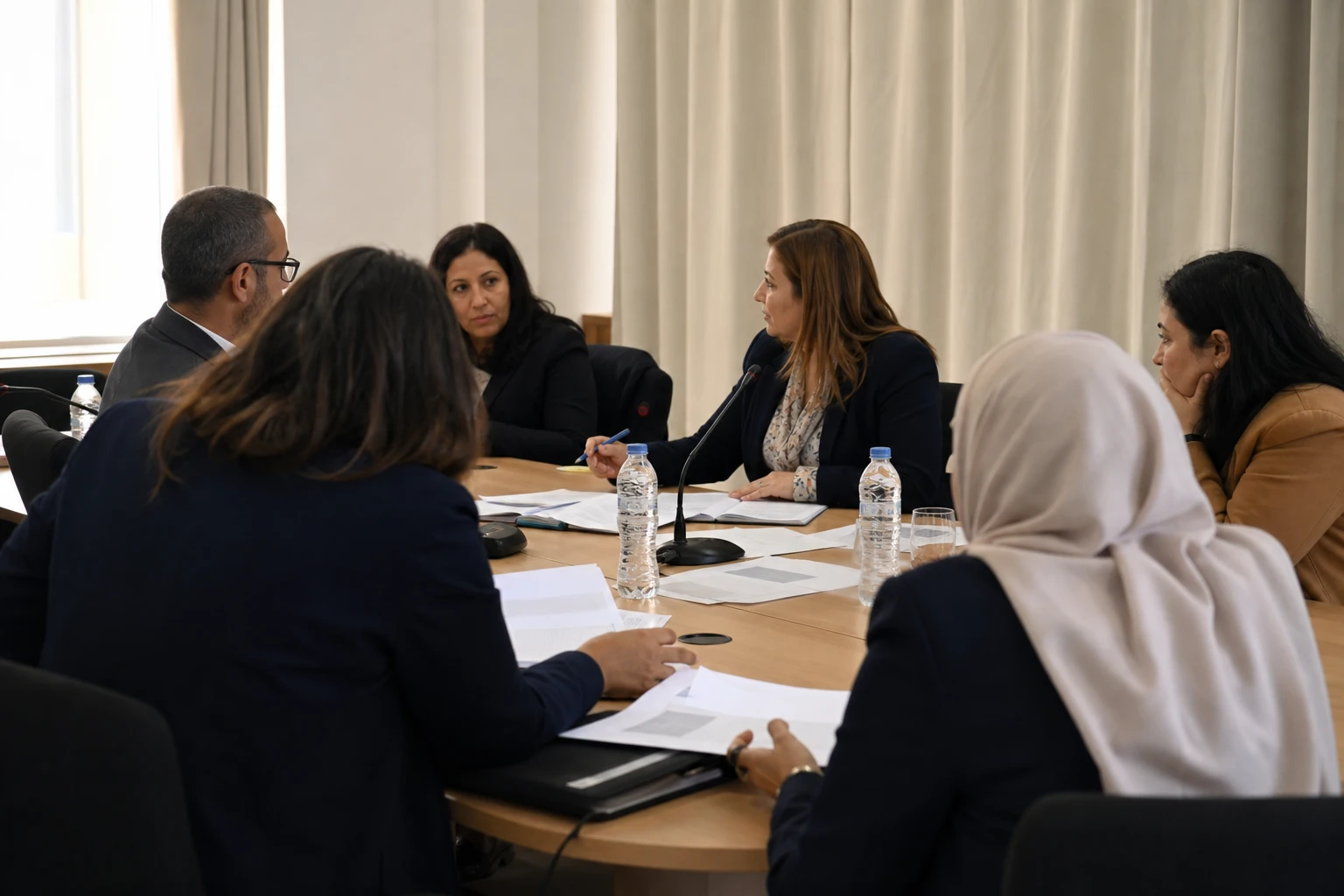
In Tunis, 13 August is more than a commemoration. The date recalls an old political promise: a reform that changed the place of Tunisian women in the law, and then in society. Seventy years after the adoption of the Personal Status Code, the country still celebrates its National Women’s Day on the same date, as if to measure the gap between a strong legal legacy and present-day realities.
The symbol carries all the more weight because Tunisia remains one of the few countries in the region to have placed family law at the heart of its political modernisation as early as 1956. The code notably abolished polygamy, established judicial divorce and made a woman’s consent a condition of marriage. Since then, debates on equality have played out as much in courts and government offices as in the public sphere, with implications extending far beyond Tunis.
The legal foundation is in place, but it is not enough
The Personal Status Code marked a clear break with the family norms dominant in the region in the mid-20th century. UN Women notes that it banned polygamy, introduced judicial divorce proceedings and made mutual consent a condition of marriage. The UN body also points out that this framework launched a longer process of emancipation, without eliminating persistent discrimination.
In 2023, the Committee on the Elimination of Discrimination against Women called on Tunisia to review provisions of the Personal Status Code that remain discriminatory, particularly those relating to inheritance, marriage and the family. The Committee also stressed the need to raise the minimum age of marriage to 18 for both girls and boys, without exception. In other words, the legal framework remains progressive, but is incomplete by international standards.
In this context, the 13 August celebrations have very tangible significance for Tunisian women. Acquired rights do not disappear, but they can be eroded through the unequal application of laws, judicial delays or the rise of conservative rhetoric that recasts social relations in the name of family order. This is precisely what many activists fear: not an abrupt reversal, but the gradual normalisation of more restrictive language.
A feminist movement under pressure
At the centre of these concerns, the Tunisian Association of Democratic Women remains one of the country’s best-known voices. Its current board lists Héla Ben Salem as secretary-general. This detail matters because it shows that Tunisian feminist advocacy is organised through long-established structures rooted in Tunis, rather than through improvised mobilisation.
The debate is not merely symbolic. Women’s rights organisations point out that the gap between the law and its implementation persists, particularly outside major urban centres. In practice, a woman in a rural area, a worker in the informal sector or a victim of domestic violence does not face the same obstacles as a resident of Greater Tunis with easier access to lawyers, associations and courts. This territorial divide affects the effective exercise of rights.
The political context adds another layer of fragility. In 2026, the ATFD itself said it was fighting in court to have the suspension of its activities lifted. Without jumping to conclusions about the case, the episode says something about the current environment: feminist associations must defend their institutional rights while advancing their demands.
What Tunisia sends to the rest of the continent
The significance of the date extends beyond Tunisia’s borders. Across Africa, women’s rights are also framed by the Maputo Protocol, the African Union’s instrument on the rights of women in Africa. The AU lists Tunisia among the state parties that have submitted an initial report on implementation of the protocol, placing the Tunisian debate within a continental accountability framework.
Tunisia is therefore addressing two audiences at once. On the one hand, it remains a legal benchmark in the Arab world and North Africa. On the other, it shows that pioneering reform is not enough if institutions, public policy and civic space do not keep pace. That is the challenge today: to protect a historic achievement, but also make it a living reality in courts, schools, families and workplaces.
The question now is not whether 13 August remains an important date. It does. The real question is whether Tunisia can still turn this symbol into measurable progress, as international observers call on it to bring its family law more closely into line with substantive equality and activists continue to monitor every shift in public discourse.