Algeria
 Egypt
 Libya
 Morocco
 Sudan
 Benin
 Burkina Faso
 Cabo Verde
 Côte d'Ivoire
 Ghana
 Guinea
 Guinea-Bissau
 Liberia
 Mali
 Mauritania
 Niger
 Nigeria
 Senegal
 Sierra Leone
 The Gambia
 Togo
 Cameroon
 Central African Republic
 Chad
 DR Congo
 Equatorial Guinea
 Gabon
 Republic of the Congo
 São Tomé and Príncipe
 Burundi
 Comoros
 Djibouti
 Eritrea
 Ethiopia
 Kenya
 Madagascar
 Malawi
 Mauritius
 Mozambique
 Rwanda
 Seychelles
 Somalia
 South Sudan
 Tanzania
 Uganda
 Angola
 Botswana
 Eswatini
 Lesotho
 Namibia
 South Africa
 Zambia
 Zimbabwe
When the heat disrupts daily life
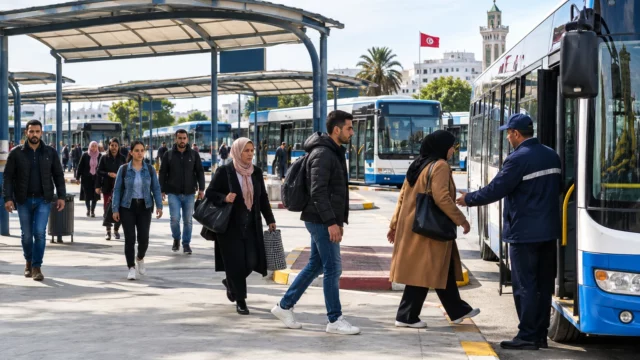
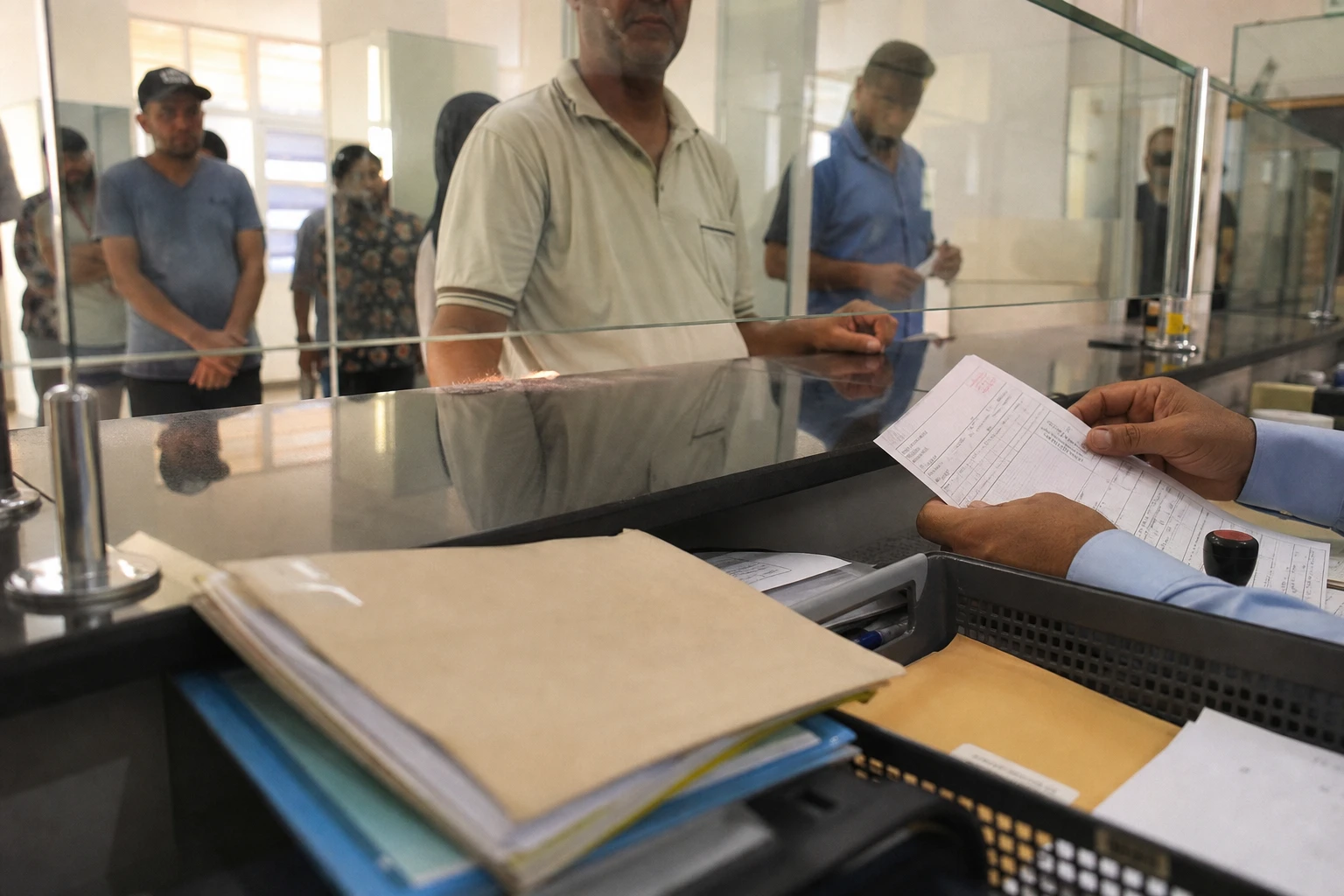
In Tunis, the heat is no longer just making the streets oppressive and the nights short. It is also disrupting access to cool water, refrigerators, workshops and small shops that depend on electricity. In the height of summer, even a brief power cut has a tangible impact on households and businesses.
This pressure is not an isolated incident. Every summer, Tunisia’s grid comes under strain. But the past few days have revealed a wider problem, with rolling outages announced in several governorates, from Greater Tunis to the south, to preserve the stability of the electricity system.
A grid under maximum strain
The Tunisian Electricity and Gas Company, STEG, warned that interruptions could occur at certain times, particularly in the evening or during the day, depending on the area and the state of the grid. The company said the measures were intended to avert a nationwide blackout. The outages affected several regions of the country, not just a few neighbourhoods or isolated areas.
The peak in demand was particularly pronounced. Officials quoted by the Tunisian press cited record consumption of around 6 gigawatts, following an already very high level just a few days earlier. At the same time, the National Institute of Meteorology placed 20 of the 24 governorates on high alert as a significant heatwave brought sirocco winds and extreme temperatures across much of the country.
The phenomenon is not new, but it takes on a different scale when combined with massive electricity consumption linked to air conditioning, tourism and household use. In recent days, STEG itself has published notices of interruptions affecting several regions, confirming that pressure on the grid is a nationwide operational issue.
Why Tunisia is vulnerable
The problem points to a structural weakness. For several years, Tunisia’s Ministry of Industry and Energy has highlighted the decline in the country’s primary energy resources and set targets for expanding renewables, aiming for 30% of electricity to come from renewable sources by 2030 under the updated Tunisian Solar Plan. The same public authorities stress that energy security remains a central concern.
Tunisia still relies heavily on natural gas to generate electricity, while domestic production has declined and the country has increased its imports. Recent sector analyses also indicate that most Tunisian electricity comes from gas-fired power plants, although solar and wind power are growing. In other words, when demand rises quickly, the room for manoeuvre remains limited.
There is also a climate factor that extends beyond Tunisia. The IPCC says that heatwaves are becoming longer, more frequent and more intense as a result of human-induced warming, and that Africa will see a marked increase in their intensity and frequency, even at 2°C of warming. For North Africa, this means heat peaks that are harder for power grids, cities and health systems to absorb.
Uneven effects on the economy and households
The consequences vary widely between different groups. For urban households, a lengthy outage means heat building up, disrupted sleep and household appliances brought to a halt. In low-income neighbourhoods, where buying an air conditioner or quickly repairing a fan is not always possible, the ordeal is even harsher. In Bhar Lazreg, north of Tunis, residents described spending nights on the floor in search of some relief from the heat.
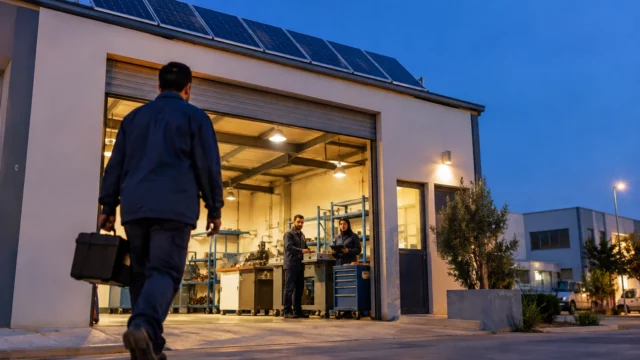
For businesses, the cost is immediate. Business representatives have called for greater predictability, as an unclear schedule makes it harder to organise production, preserve goods and keep cold chains running. In workshops, butcher’s shops, bakeries and some factories, a power cut means direct losses, sometimes with a full day’s work suspended.
Agriculture is also affected. The Ministry of Agriculture has urged people to avoid working during the hottest hours, step up irrigation and protect crops and livestock. In a country where water is already under pressure, the heatwave is also turning farm management into a balancing act.
What Tunisia’s episode reveals
The authorities’ response shows that the issue is no longer merely technical. President Kaïs Saïed called the outages abnormal and demanded that responsibility be established. At the same time, STEG says it is acting to prevent a nationwide blackout. Between the two, one reality is clear: an ageing grid, rising demand and a harsher climate leave little room for improvisation.
Strategically, the response has two strands. First, modernise the grid and manage it more effectively. Second, accelerate renewables and, above all, storage, without which solar and wind generation cannot meet evening peaks. The Tunisian authorities have in fact raised their ambitions, targeting 35% renewable electricity by 2030 and more in the longer term.
At the regional level, Tunisia illustrates a challenge shared across the Maghreb: coping with more severe heatwaves without undermining urban economies, industry and essential services. The message is clear for North Africa and the rest of the continent: energy adaptation can no longer wait. It is becoming a prerequisite for stability, public health and economic continuity.