Algeria
 Egypt
 Libya
 Morocco
 Sudan
 Tunisia
 Benin
 Burkina Faso
 Cabo Verde
 Côte d'Ivoire
 Ghana
 Guinea
 Guinea-Bissau
 Liberia
 Mali
 Mauritania
 Niger
 Nigeria
 Sierra Leone
 The Gambia
 Togo
 Cameroon
 Central African Republic
 Chad
 DR Congo
 Equatorial Guinea
 Gabon
 Republic of the Congo
 São Tomé and Príncipe
 Burundi
 Comoros
 Djibouti
 Eritrea
 Ethiopia
 Kenya
 Madagascar
 Malawi
 Mauritius
 Mozambique
 Rwanda
 Seychelles
 Somalia
 South Sudan
 Tanzania
 Uganda
 Angola
 Botswana
 Eswatini
 Lesotho
 Namibia
 South Africa
 Zambia
 Zimbabwe
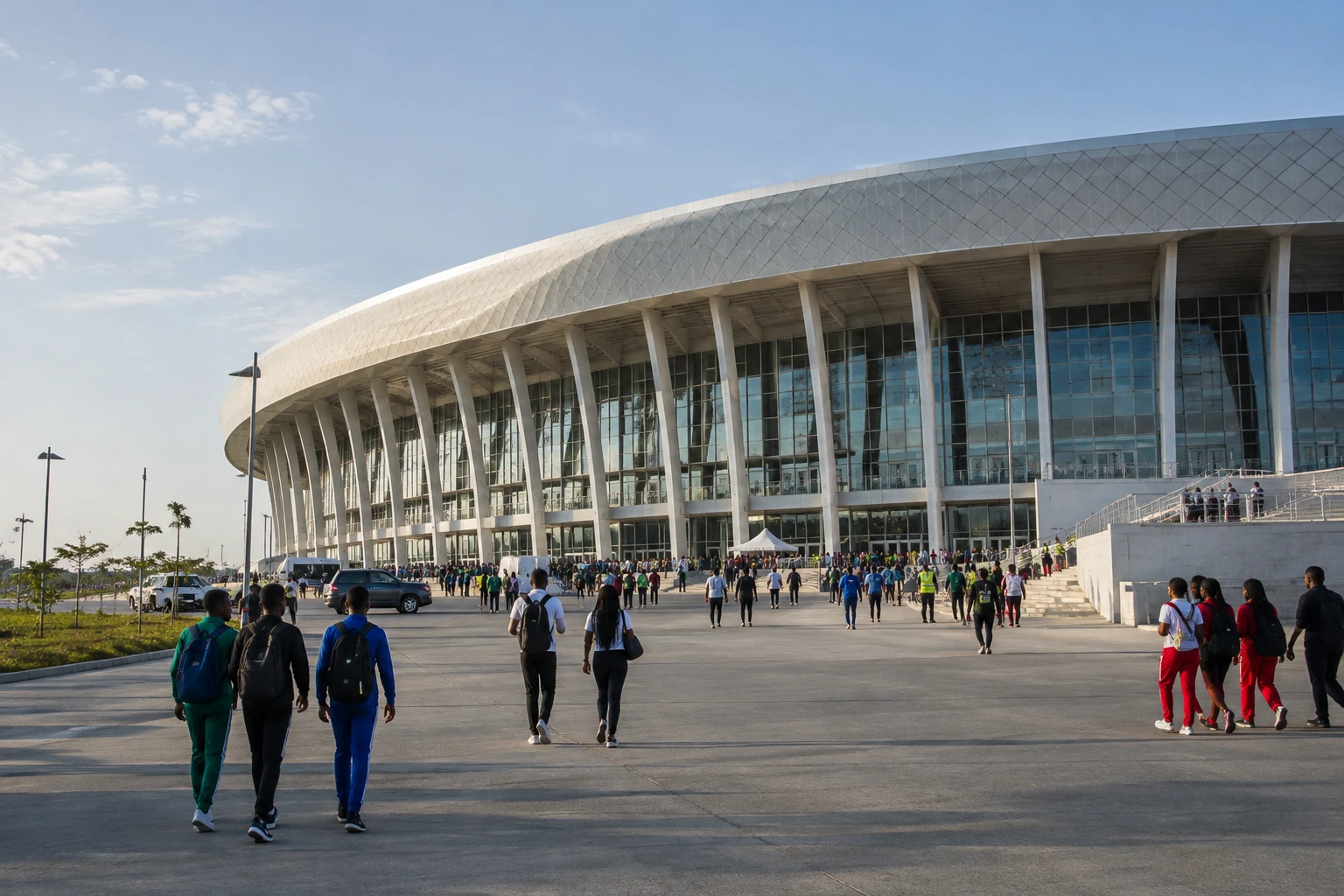
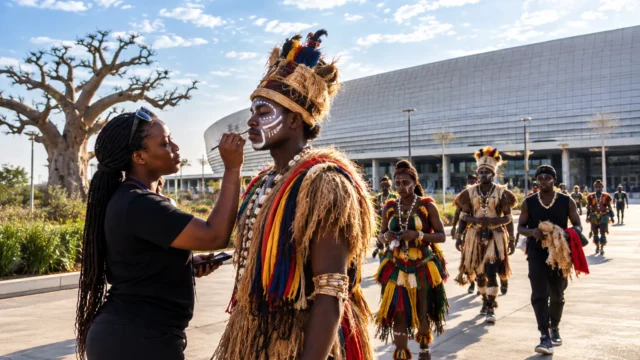
In Diamniadio, the celebrations began before the first events: on 31 October, thousands of spectators attended a ceremony that put African cultures at the heart of a global sporting occasion. For Senegal, the stakes go beyond the spectacle. The country is hosting the first Olympic competition to be held on the continent and aims to show what the event can leave behind for young people and host cities.
A continental event spanning Dakar and Diamniadio
The Youth Olympic Games (YOG) bring together athletes aged 14 to 17. The Dakar edition takes place from 31 October to 13 November 2026, with venues in Dakar, Diamniadio and Saly. Around 2,700 young athletes are expected to compete in 25 sports. The competition was initially scheduled for 2022 before being postponed by four years because of the Covid-19 pandemic.
Senegal’s selection marks a first for Africa: no Olympic competition had previously been held on the continent. Its symbolic significance feeds into a wider debate about the role of African countries in hosting major sporting events. It also comes in a region where co-operation between states remains a practical concern. Senegal is a member of ECOWAS, the Economic Community of West African States, which brings together neighbouring countries with diverse trajectories and priorities.
The ceremony took place at Abdoulaye-Wade Stadium in Diamniadio on Saturday 31 October. The Senegalese Press Agency reported that it began at 18:00, in the presence of President Bassirou Diomaye Faye and several leaders. The International Olympic Committee (IOC) describes a show celebrating African cultures and the Olympic spirit, featuring around 1,100 performers, including 700 dancers. The Senegalese Press Agency reports on the opening of the ceremony; the IOC gives details of its staging and date.
A celebration, but also an organisational test
The opening show gives the Games a visible face. It brings artists, symbols and cultural expressions before delegations from many countries. But the legacy of an event is measured by more than the excitement in the stadium. It also depends on the lasting use of facilities, the skills gained by local teams and the opportunities available to young people after the closing ceremony.
This question is particularly important for an edition spread across three areas. Dakar hosts some of the activities, while Diamniadio and Saly also stage events. The movement of athletes, teams, residents and visitors therefore puts transport and services to the test. The benefits will not automatically be distributed equally between the capital, the sporting venues and neighbourhoods far from the competitions.
For the authorities, hosting the Games offers a showcase and an opportunity to develop organisational skills. For young athletes, it is an international stage and a competitive experience. For residents, the impact depends more on costs, travel, access to events and the benefits that will endure. The ceremony’s popular success is therefore not enough to establish that all these aims have been achieved.
The sporting programme also has a regional dimension. African delegations will compete against opponents from around the world in a range of sports, including 3×3 basketball and rugby sevens. This visibility could help federations showcase their young athletes and training pathways. It does not, however, guarantee medals or long-term investment: these will depend in part on the resources available and the follow-up after the Games.
What Senegal can make last
The ceremony has thus opened two competitions in parallel. The first takes place on the fields of play, from 31 October to 13 November. The second concerns Senegal’s ability to turn international attention into expertise, useful facilities and wider access to sport. This record will be judged over time, beyond the opening images and immediate results.
At the African level, Dakar 2026 sets a precedent for hosting major Olympic events. It could strengthen organisers’ experience and raise the profile of the continent’s athletes, without erasing differences in resources between countries or the challenges facing individual federations. What follows will depend as much on the quality of the competitions as on the legacy left to the communities concerned.
The event is therefore historic because of where it is being held, but its significance will also be determined after 13 November. Infrastructure, programmes for young people and the role given to local stakeholders will be more lasting indicators than the splendour of the evening. For Senegal and its West African partners, that is where the promise of an African first can be assessed in concrete terms.