Algeria
 Egypt
 Libya
 Morocco
 Sudan
 Tunisia
 Benin
 Burkina Faso
 Cabo Verde
 Côte d'Ivoire
 Ghana
 Guinea
 Guinea-Bissau
 Liberia
 Mali
 Mauritania
 Niger
 Nigeria
 Sierra Leone
 The Gambia
 Togo
 Cameroon
 Central African Republic
 Chad
 DR Congo
 Equatorial Guinea
 Gabon
 Republic of the Congo
 São Tomé and Príncipe
 Burundi
 Comoros
 Djibouti
 Eritrea
 Ethiopia
 Kenya
 Madagascar
 Malawi
 Mauritius
 Mozambique
 Rwanda
 Seychelles
 Somalia
 South Sudan
 Tanzania
 Uganda
 Angola
 Botswana
 Eswatini
 Lesotho
 Namibia
 South Africa
 Zambia
 Zimbabwe
In Dakar, the stakes of the Youth Olympic Games extend beyond the stands. From 31 October to 13 November 2026, Senegal will host an Olympic sporting event on the continent for the first time. But popular success will also be measured in the neighbourhoods, schools and cities hosting the competitions.
Two days before the opening, it is impossible to say whether audiences will turn out everywhere. Recent gatherings and announced activities point to genuine interest. However, they do not make it possible to predict attendance at each venue, or to know whether residents will be able to get to events easily.
Games spread across Dakar, Diamniadio and Saly
The programme extends beyond the capital. Dakar, Diamniadio, about 30 kilometres to the east, and Saly, to the south, will host competitions and associated activities. About 2,700 young athletes are expected, according to the International Olympic Committee (IOC) presentation dossier.
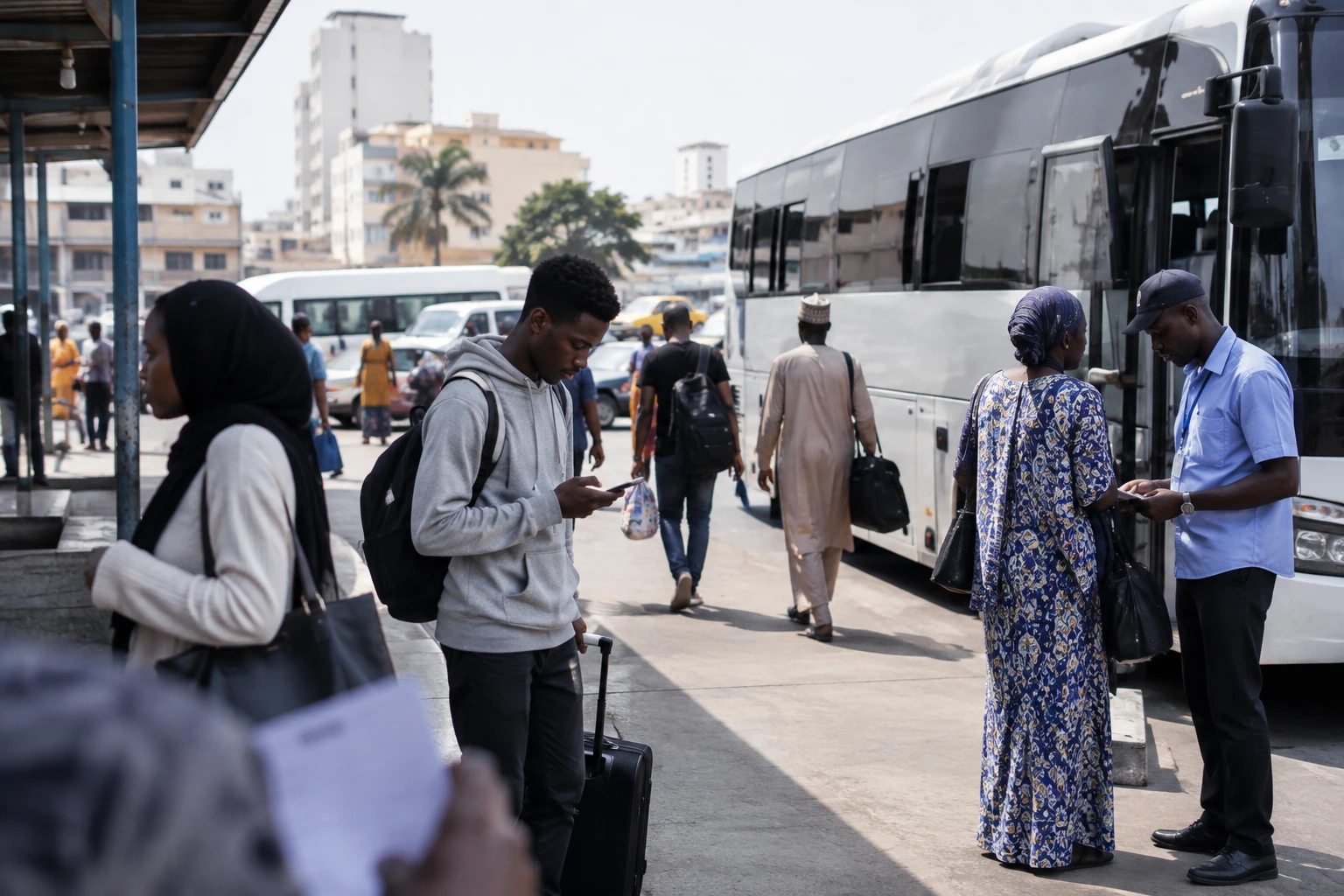
This geography creates a first condition for mobilisation: getting around. Connecting the venues, organising transport and informing spectators will matter as much to the public’s experience as the quality of the ceremonies. The challenge is particularly significant for residents who live far from competition venues, as well as those whose schedules or means limit their ability to travel.
The Games were originally scheduled for 2022. Senegal and the IOC agreed to postpone them to 2026 amid disruption caused by the Covid-19 pandemic. The event has thus become a long-term test for organisers: they must now turn several years of preparation into an event that is accessible to and understood by the public.
Mobilisation already visible, but not yet measured
On 12 September, more than a hundred people gathered in Dakar to welcome the Olympic flame. One hundred Senegalese women, designated as “lingeer”, carried it in a procession celebrating women and the passing of traditions between generations, among other things. The event provided a tangible sign of local ownership, but does not measure expected attendance at the competitions.
The government, for its part, had listed the mobilisation of the population and diaspora among its priority tasks. Its preparation plan provided for a communications campaign, a community programme and cultural activities in the suburbs of Dakar and the regions. It also set deadlines for transport, traffic and services around the venues.
The City of Dakar is also preparing fairs from 31 October to 15 November, focused on culture, food and entrepreneurship. Activities are to be held in three locations. The municipality has announced 230 stands and presents the events as a way of involving local authorities, young people and women entrepreneurs during the Games.
Access arrangements nevertheless warrant attention. For one of the municipal venues, the fairs’ website states that access will be controlled, with registration and a badge required. The promised convivial atmosphere will therefore also depend on clear rules, opening times and practical information. For the competitions themselves, available sources do not provide a reliable figure for expected spectators or tickets already reserved.
Beyond the stands, the question of benefits
Organisers have planned sporting, cultural and educational activities in Dakar, including on the Corniche Ouest. The venues are therefore intended to serve several groups: spectators, young people taking part in activities, traders and local residents. This diversity could broaden participation, provided the activities are not limited to the delegations and guests.
For vendors, craftspeople and small businesses, the fairs offer an opportunity to reach new customers. The presence of visitors, however, does not guarantee that income will be shared fairly. The benefits will depend on accessible locations, participation costs and local businesses’ ability to make the most of visitor numbers, without traffic constraints harming their usual activities.
The effects will also vary by area. Dakar has several venues and some of the activities. Diamniadio is home to the Olympic Village and sports facilities, among other sites. Saly is hosting beach and outdoor events. The quality of transport and coordination between these areas will determine whether the event feels truly national or is centred mainly on the capital.
The government has also presented a legacy programme, including the maintenance and operation of infrastructure after the Games. This is a tangible issue for Senegalese people: the facilities will be more valuable if they remain useful to athletes and local communities after the delegations have left. Mobilisation will therefore be measured not only by crowds in the first few days, but also by the lasting use of the facilities.
A Senegalese event with continental reach
The event’s significance extends beyond Senegal. These Games are the first Olympic sporting event to be held in Africa. They put Dakar, Diamniadio and Saly at the centre of an international gathering, while giving young African athletes a stage close to their audiences. The African Union and the continent’s sporting bodies will also follow the country’s ability to host the delegations and bring the event to life beyond the official venues.
The question of public attendance therefore remains open, and caution is warranted even before the launch. Events organised around the flame show that part of the population has already mobilised. The fairs and activities could sustain this momentum, but actual attendance will depend on access, information and transport.
From 31 October, the first few days will provide firmer evidence: attendance at competitions, participation in activities and travel between the three host areas. Popular success will not depend solely on the number of occupied seats. It will also be shaped by the place given to residents and by what remains in Senegal after 13 November.
Follow preparations for the Dakar 2026 Youth Olympic Games in Senegal · Read the government’s mobilisation measures · See the programme for the Dakar fairs.