Algeria
 Egypt
 Libya
 Morocco
 Sudan
 Tunisia
 Benin
 Burkina Faso
 Cabo Verde
 Côte d'Ivoire
 Ghana
 Guinea
 Guinea-Bissau
 Liberia
 Mali
 Mauritania
 Niger
 Nigeria
 Sierra Leone
 The Gambia
 Togo
 Cameroon
 Central African Republic
 Chad
 DR Congo
 Equatorial Guinea
 Gabon
 Republic of the Congo
 São Tomé and Príncipe
 Burundi
 Comoros
 Djibouti
 Eritrea
 Ethiopia
 Kenya
 Madagascar
 Malawi
 Mauritius
 Mozambique
 Rwanda
 Seychelles
 Somalia
 South Sudan
 Tanzania
 Uganda
 Angola
 Botswana
 Eswatini
 Lesotho
 Namibia
 South Africa
 Zambia
 Zimbabwe
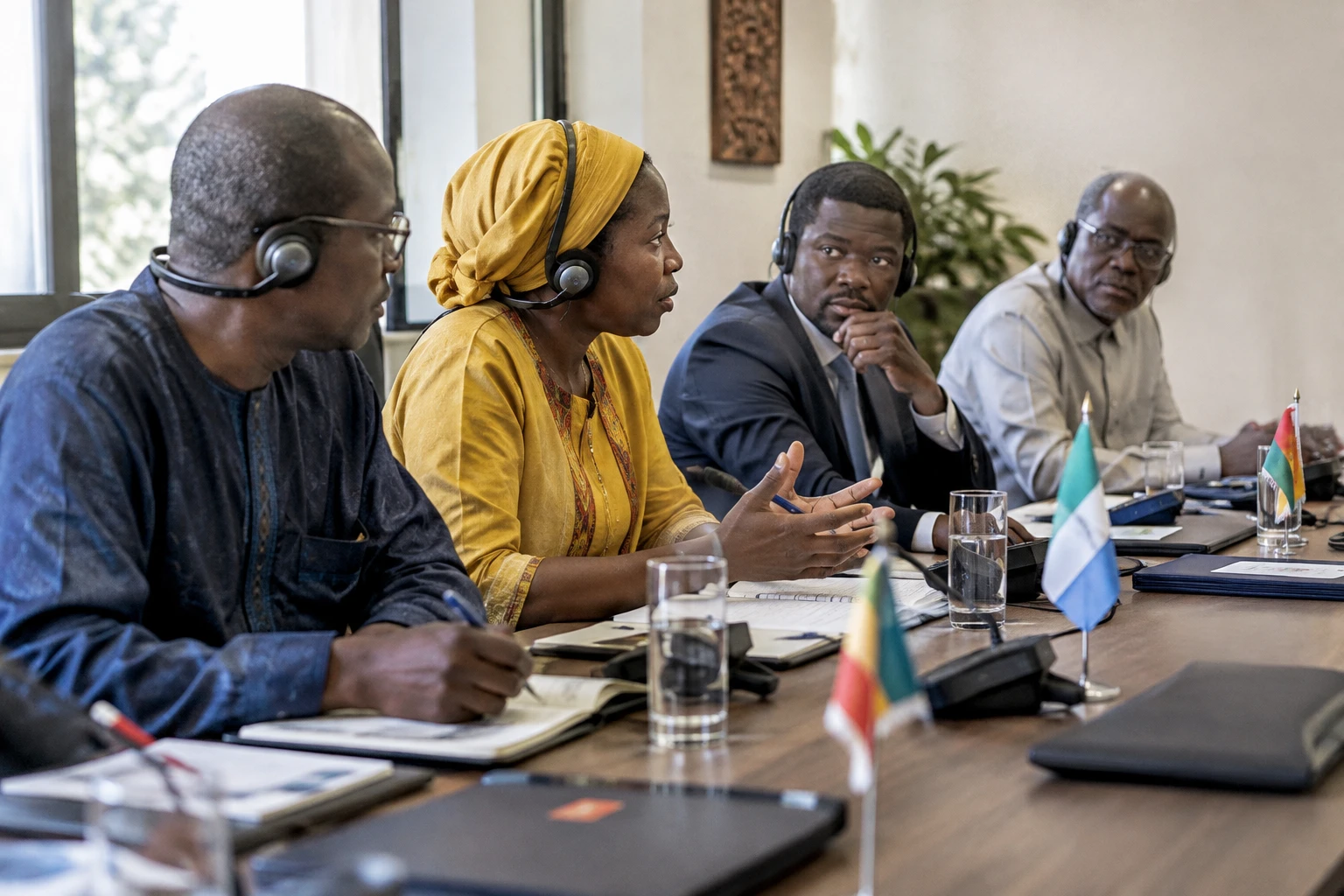
In Dakar, preparations for a global sporting event are also playing out in public services and workplaces. Twelve days before the opening of the Youth Olympic Games (YOG), Senegalese unions have announced a mobilisation to secure the implementation of social commitments. The timing highlights a practical question: how can essential activities be maintained while workers’ demands are addressed?
Mobilisation at a highly visible moment
The Trade Union Front for the Defence of Workers (FSDT), which brings together organisations from several sectors, plans a march in Dakar on Tuesday 20 October, followed by a 72-hour strike from 21 to 23 October. The Senegalese Press Agency (APS) reports that the call applies to the public, private and informal sectors. These dates were also confirmed by the government’s public response, which referred to the movement on 19 October.
The sectors mentioned include education, health, higher education and electricity. Their operation directly affects households, pupils, patients and businesses. Disruption is therefore measured not only by the number of working days lost: it can also affect access to healthcare, the continuity of classes and some everyday services.
The FSDT is calling for agreements to be implemented on matters including retirement pensions, the compulsory retirement age, bonuses and housing allowances. The demands reported include raising the retirement age from 60 to 65 and extending a housing allowance of 100,000 CFA francs to all. These amounts and measures are those put forward in the unions’ demands; their implementation and scope must be discussed with the authorities and employers.
Social commitments under budgetary constraints
The dispute comes amid strained public finances. The Senegalese government is facing high debt and the need to restore the credibility of its public accounts. The International Monetary Fund (IMF), a multilateral financial institution, announced on 1 September a staff-level agreement towards a financing programme worth about $2.2 billion over three years. The technical agreement does not, in itself, amount to an immediate disbursement: it is part of a process aimed, among other things, at ensuring debt sustainability.
This situation weighs on the government’s choices, but does not erase social commitments. The unions are demanding that they be implemented; the authorities, for their part, must reconcile public spending, the continuity of services and fiscal recovery. The government has called on the FSDT to suspend the strike and give priority to dialogue. It says it remains willing to negotiate, while the prime minister has called for a three-month moratorium on social movements, according to reported information.
The disagreement is therefore about timing as much as substance: workers want tangible measures, while the executive points to limited financial room for manoeuvre and asks for time. The possible effects of a strike would nevertheless vary. Employees of government departments and businesses may lose days of income; users, particularly those who rely on public services, may face delays or interruptions. In the informal economy, a slowdown in activity can also reduce daily earnings, without protections equivalent to those of salaried employment.
The YOG: showcase and test of coordination
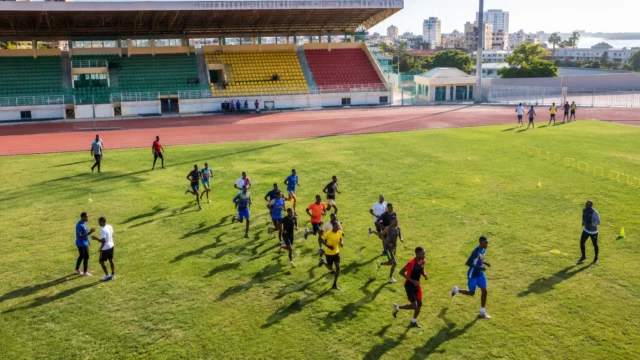
The Youth Olympic Games are scheduled to take place from 31 October to 13 November 2026 in Dakar, Diamniadio and Saly. Around 2,700 athletes are expected to compete in the event, which is reserved for young people. It will be the first Olympic event held on the African continent. The schedule underscores the stakes for Senegal’s image and organisation, but it does not turn social demands into a mere communications issue.
For residents, the event also means travel, urban development and the mobilisation of services. For workers, the period may make their demands more visible and increase attention to the continuity of activity. For the authorities, the challenge is to ensure preparations proceed without allowing a lasting labour dispute to take hold. The success of the Games will therefore depend not only on infrastructure or competitions, but also on institutions’ ability to manage tensions and honour commitments made.
Regionally, this sequence will be watched across the ECOWAS area, the Economic Community of West African States, where major sporting events and debates over working conditions often cross national borders. The YOG could strengthen Senegal’s role in hosting international events in West Africa. But their impact will also depend on what remains after they close: useful facilities, better-coordinated activity and social dialogue capable of addressing disagreements.
The next indicator will be whether the days of action announced for 21 to 23 October go ahead, and whether concrete negotiations take place between the government and the unions. As 31 October approaches, the balance between demands, essential services and preparations for the Games will measure Senegal’s ability to stage a continental event while conducting demanding social dialogue.