Algeria
 Egypt
 Libya
 Morocco
 Sudan
 Tunisia
 Benin
 Burkina Faso
 Cabo Verde
 Côte d'Ivoire
 Ghana
 Guinea
 Guinea-Bissau
 Liberia
 Mali
 Mauritania
 Niger
 Nigeria
 Sierra Leone
 The Gambia
 Togo
 Cameroon
 Central African Republic
 Chad
 DR Congo
 Equatorial Guinea
 Gabon
 Republic of the Congo
 São Tomé and Príncipe
 Burundi
 Comoros
 Djibouti
 Eritrea
 Ethiopia
 Kenya
 Madagascar
 Malawi
 Mauritius
 Mozambique
 Rwanda
 Seychelles
 Somalia
 South Sudan
 Tanzania
 Uganda
 Angola
 Botswana
 Eswatini
 Lesotho
 Namibia
 South Africa
 Zambia
 Zimbabwe
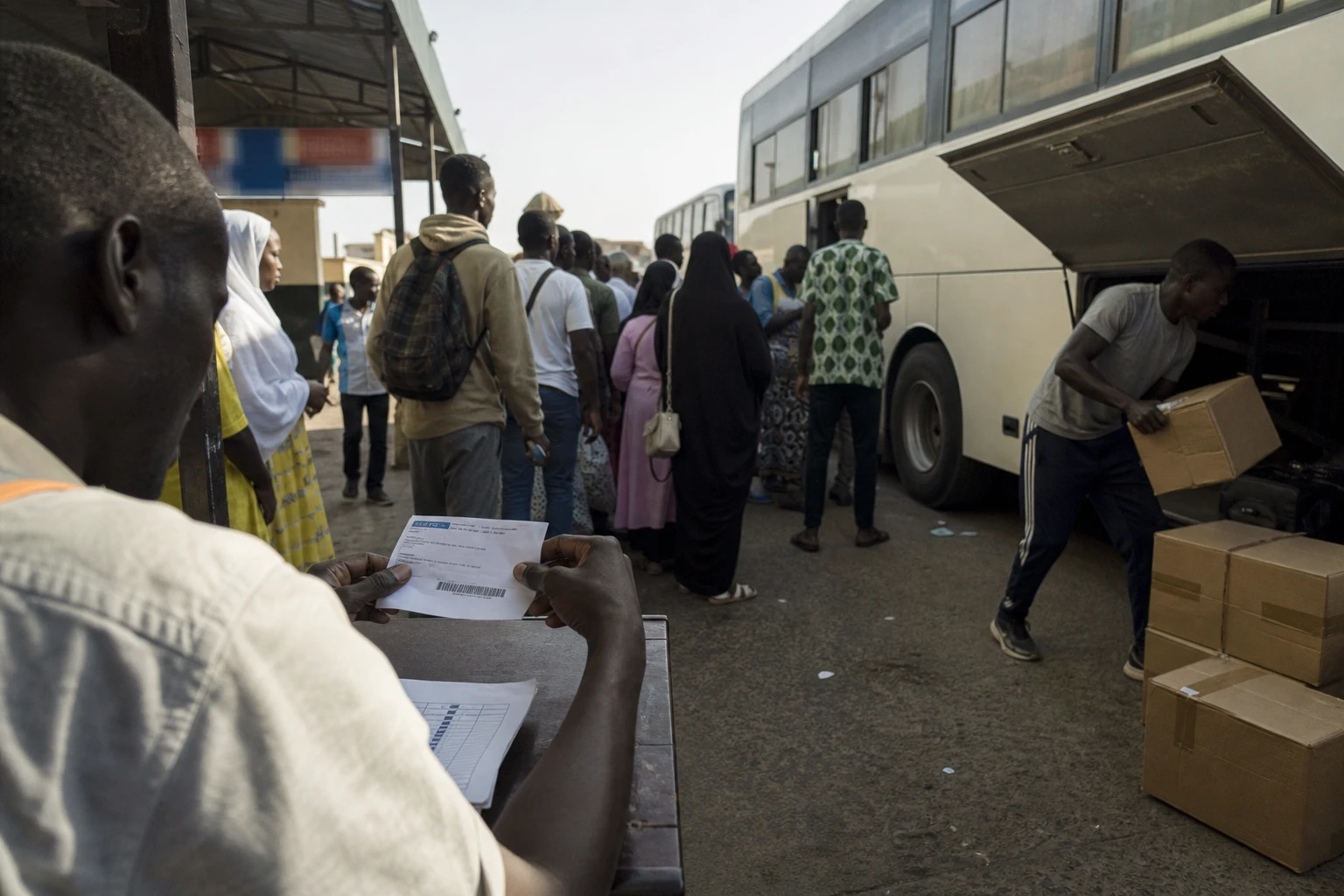
In Senegal, the Softcare case is no longer just a question of whether products made with expired raw materials reached consumers. The parliamentary report presented on 2 October 2026 shifts the debate to industrial traceability, coordination between government agencies and the state’s ability to protect public confidence.
Expired materials found, but no proof they were used
The National Assembly’s fact-finding mission confirms that raw materials past their expiry date were present at Softcare’s site in Sindia, in the Mbour department. The company manufactures, among other things, nappies and sanitary towels.
The MPs say that 2,260 kilograms of products and materials were isolated and then destroyed by incineration. This finding establishes a failure in stock management. However, it does not, on its own, prove that these materials were used in products sold in Senegal.
After examining the available documents and the analytical methods used, the mission concludes that it is not possible to establish scientifically, after the fact, whether the expired materials were incorporated into the finished products sold on the market. This caveat is consistent with the conclusions issued in March 2026 by a joint mission of the health authorities.
MP Boye Baby, the mission’s rapporteur, said the case raised serious questions about the handling of non-compliant materials. He also stressed the absence of physical evidence to assert that Senegalese consumers had been directly exposed to products made with these materials.
A health alert that mainly exposes oversight flaws
The report does not, however, bring the case to a close. The MPs identified shortcomings in monitoring expiry dates, isolating non-compliant materials and maintaining production records. The history of stock movements provided by the company was also deemed incomplete.
The mission also refers to testimonies and internal communications describing instructions or customary practices concerning the use of expired materials. These elements fuel doubt. They do not replace scientific proof that the materials were incorporated into finished products.
The report also highlights discrepancies within the Senegalese Pharmaceutical Regulatory Agency (ARP), which is responsible for overseeing certain health and hygiene products. On 8 December 2025, the agency ordered Softcare products to be withdrawn. A week later, a statement announced that they were compliant and could return to the market.
This succession of decisions caused confusion. It also undermined public confidence in official statements. The ARP director-general was dismissed in March 2026, amid serious questions about the handling of the crisis.
For MP Rokhy Ndiaye, the problem therefore goes beyond Softcare alone. When citizens can no longer understand the decisions of the health authority, confidence in protective mechanisms erodes. That confidence is essential if alerts are to be heeded and product recalls accepted.
The dilemma between public health and local production
Serigne Guèye Diop, the Minister of Industry and Trade, defended the continuation of industrial activity before the MPs. He believes Softcare should face sanctions for its failings, then be allowed to continue operating within a more closely monitored framework.
The argument points to a broader challenge for Senegal. The country is seeking to strengthen its industrial base, create jobs and reduce its dependence on imports. Hygiene products for babies and women have a sensitive place in this strategy because they directly affect households and everyday health.
But the industrial argument cannot replace proof of compliance. Consumers expect safe products, consistent information and independent inspections. Workers, meanwhile, depend on business continuity. The state must therefore protect public health, employment and the credibility of local production at the same time.
This tension affects the different parties in different ways. A large company can call on laboratories and audit procedures. Households rarely have the means to verify the composition of a nappy or sanitary towel for themselves. Low-income families seeking affordable products are particularly dependent on effective public oversight.
A regulatory framework that remains incomplete
The parliamentary mission highlights a legal vacuum. The implementing decree provided for by Law No. 2023-06 of 13 June 2023, which regulates cosmetics and personal hygiene products, had still not been adopted at the time of the investigation.
This situation complicates the work of government agencies. It can create uncertainty over responsibilities, applicable standards and the procedures to follow when an alert is issued. The report therefore recommends that the decree be adopted swiftly.
The MPs also recommend banning the unjustified storage of expired materials in production areas. They call for strict quarantine and destruction procedures, as well as the modernisation of industrial traceability. Secure stock-management software could record every movement and every validation date.
Another recommendation is that all public communications relating to a health alert should undergo prior technical review. The mission also proposes a permanent interministerial committee involving, among others, the Health, Trade and Industry ministries and Customs.
A signal for regulation in West Africa
The Softcare case extends beyond Sindia. Senegal is part of ECOWAS, the Economic Community of West African States, where trade in goods makes the issue of standards particularly important.
The regional movement of hygiene products requires clear rules, laboratories capable of producing reliable results and authorities that communicate in a coordinated manner. Without these safeguards, a national crisis can quickly undermine confidence in products made locally or imported.
The next step will therefore be institutional. The parliamentary mission recommends a more thorough investigation to determine who is responsible for the failings identified. Senegal will also need to clarify the rules applicable to manufacturers and strengthen the technical capacity of its inspection services.
The report does not confirm the most serious allegation: that products made with expired materials were demonstrably placed on the market. It does, however, establish a less dramatic but decisive reality: health safety depends as much on product quality as on the robustness of the procedures surrounding it.