Algeria
 Egypt
 Libya
 Morocco
 Sudan
 Tunisia
 Benin
 Burkina Faso
 Cabo Verde
 Côte d'Ivoire
 Ghana
 Guinea
 Guinea-Bissau
 Liberia
 Mali
 Mauritania
 Niger
 Nigeria
 Sierra Leone
 The Gambia
 Togo
 Cameroon
 Central African Republic
 Chad
 DR Congo
 Equatorial Guinea
 Gabon
 Republic of the Congo
 São Tomé and Príncipe
 Burundi
 Comoros
 Djibouti
 Eritrea
 Ethiopia
 Kenya
 Madagascar
 Malawi
 Mauritius
 Mozambique
 Rwanda
 Seychelles
 Somalia
 South Sudan
 Tanzania
 Uganda
 Angola
 Botswana
 Eswatini
 Lesotho
 Namibia
 South Africa
 Zambia
 Zimbabwe
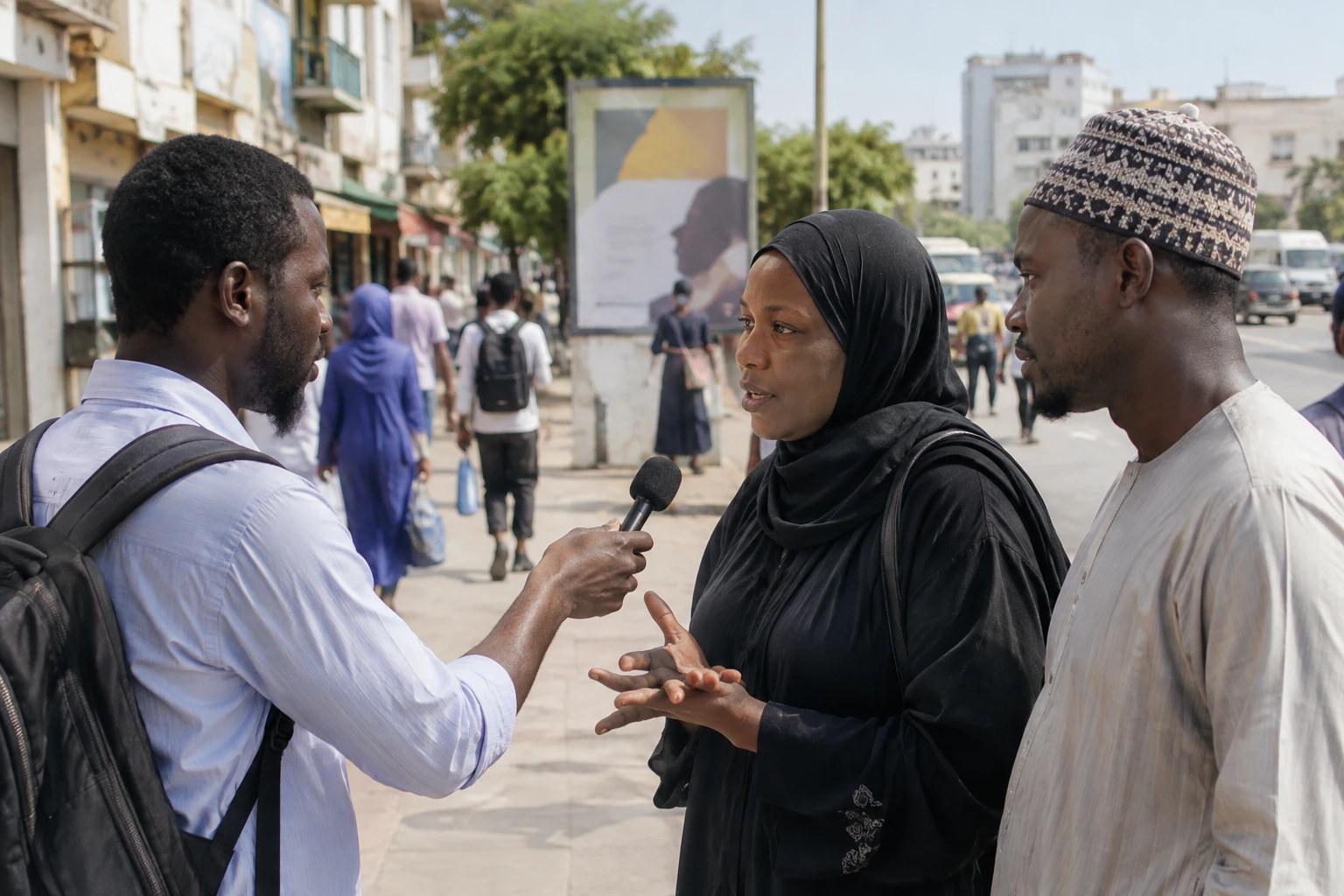
In Senegal, the battle over the revised budget goes beyond the parliamentary calendar. It pits two urgent priorities against each other: funding the state’s priorities and restoring the credibility of public accounts, as households face rising living costs and businesses await clarity.
Seeking a compromise in the National Assembly
On Tuesday 27 October 2026, the draft supplementary finance bill (PLFR) was referred back to the Finance and Budgetary Oversight Committee. Finance Minister Cheikh Diba requested the referral to continue discussions with MPs. Ousmane Sonko, president of the National Assembly, accepted the request and announced that a new timetable would be set. The Senegalese Press Agency reported the parliamentary developments, which were also confirmed by Reuters.
The referral is neither adoption nor definitive rejection. It opens a new phase of scrutiny, in which the government and MPs can seek amendments or common ground ahead of another plenary session. The bill had already been rejected in committee. Pastef, the party with a majority in the Assembly, had said it would not support the bill in its current form.
Discussions were already tense before the session. On 26 October, the National Assembly had asked the government for additional information and proposed a meeting. Prime Minister Al Aminou Lo, for his part, had urged MPs to put forward amendments, warning against bringing the country to a standstill. The referral therefore allows discussions to resume within an institutional framework, but does not guarantee their outcome.
Budget forecasts sharply revised
A supplementary finance law adjusts the revenue and spending planned at the start of the year when economic conditions or the state’s needs change. Senegal’s draft bill reassesses, in particular, growth and deficit forecasts. According to figures reported by Reuters on 27 October, expected real growth in 2026 would be cut from about 5% to 2.7%. The projected public deficit would rise from 5.4% to 7.6% of gross domestic product.
The document published by the Directorate General of the Budget sheds light on the pressures weighing on these forecasts. The government explains that higher oil prices are increasing energy expenditure and that the revenue expected from its Economic and Social Recovery Plan would be lower than initially estimated. It therefore forecasts a sharp increase in energy subsidies. These trade-offs have tangible effects: they determine the room available for public services, investment and support for households.
The committee must therefore examine more than a set of accounts. MPs will have to compare the new forecasts with spending choices and the executive’s commitments. Government departments and state suppliers need a clear budget framework. For Senegalese people, the issue also concerns how the burden is distributed: which spending will be protected, which will be cut and what revenue will fund the budget?
High debt and discussions with the IMF
The room for manoeuvre is limited. The International Monetary Fund estimates Senegal’s public-sector debt at 132% of GDP at the end of 2024. This reassessment followed the discovery of public borrowing and commitments that had been inadequately reported by previous authorities. It has weighed on the country’s relations with its financial partners and underlined the need to put the accounts in order.
The situation with the IMF has, however, evolved since the initial discussions mentioned in reports published in the autumn. On 1 September 2026, Fund staff and the Senegalese authorities reached a preliminary agreement on a 36-month programme worth about $2.2bn. This staff-level agreement is not yet final approval: it remains subject to review by IMF management and the executive board, as well as corrective measures and financing assurances.
The revised budget therefore matters for the course of public finances, but its adoption would not automatically trigger the programme. The IMF still has to assess the commitments and conditions agreed. Senegalese officials and MPs, for their part, must weigh up budget measures in a debate where fiscal responsibility, decision-making sovereignty and the protection of social spending may come into conflict.
A political test with regional implications
The budget dispute also unfolds against a delicate political relationship between President Bassirou Diomaye Faye and Ousmane Sonko, leader of Pastef and president of the National Assembly. Returning the bill to committee may facilitate negotiations, but it also exposes disagreements between the executive and the parliamentary majority. The episode shows that parliamentary scrutiny can directly influence economic policy, even when the governing party holds a substantial majority.
For citizens, the outcome is about more than the voting timetable. A revision that cuts spending can affect public employees, businesses reliant on state contracts and households using subsidised services in different ways. In Dakar, decisions quickly feed through into administrative and commercial activity. In the regions, their effects are also felt through investment, public transfers and access to services. The budget debate also comes after social tensions over the cost of living and youth employment.
Across West Africa, Senegal’s fiscal course is being watched by its neighbours and by the institutions of the West African Economic and Monetary Union, which sets common benchmarks for fiscal discipline, among other things. The stakes go beyond access to external financing: transparent accounts, parliament’s ability to scrutinise choices and the credibility of forecasts also affect borrowing terms and economic confidence.
The next step will be the resumption of committee work, followed by the setting of a new date for a plenary session. The content of any amendments, the spending the government agrees to change and the timetable for IMF decisions will need to be followed. The 27 October referral averted an immediate vote on a disputed bill; it leaves the central question open: what budget compromise can be adopted without worsening social tensions or further weakening public finances?
To check the parliamentary proceedings and figures cited, consult the Senegalese Press Agency report on the referral to committee, the IMF statement on the September preliminary agreement and the draft published by the Directorate General of the Budget.