Algeria
 Egypt
 Libya
 Morocco
 Sudan
 Tunisia
 Benin
 Burkina Faso
 Cabo Verde
 Côte d'Ivoire
 Ghana
 Guinea
 Guinea-Bissau
 Liberia
 Mali
 Mauritania
 Niger
 Nigeria
 Sierra Leone
 The Gambia
 Togo
 Cameroon
 Central African Republic
 Chad
 DR Congo
 Equatorial Guinea
 Gabon
 Republic of the Congo
 São Tomé and Príncipe
 Burundi
 Comoros
 Djibouti
 Eritrea
 Ethiopia
 Kenya
 Madagascar
 Malawi
 Mauritius
 Mozambique
 Rwanda
 Seychelles
 Somalia
 South Sudan
 Tanzania
 Uganda
 Angola
 Botswana
 Eswatini
 Lesotho
 Namibia
 South Africa
 Zambia
 Zimbabwe
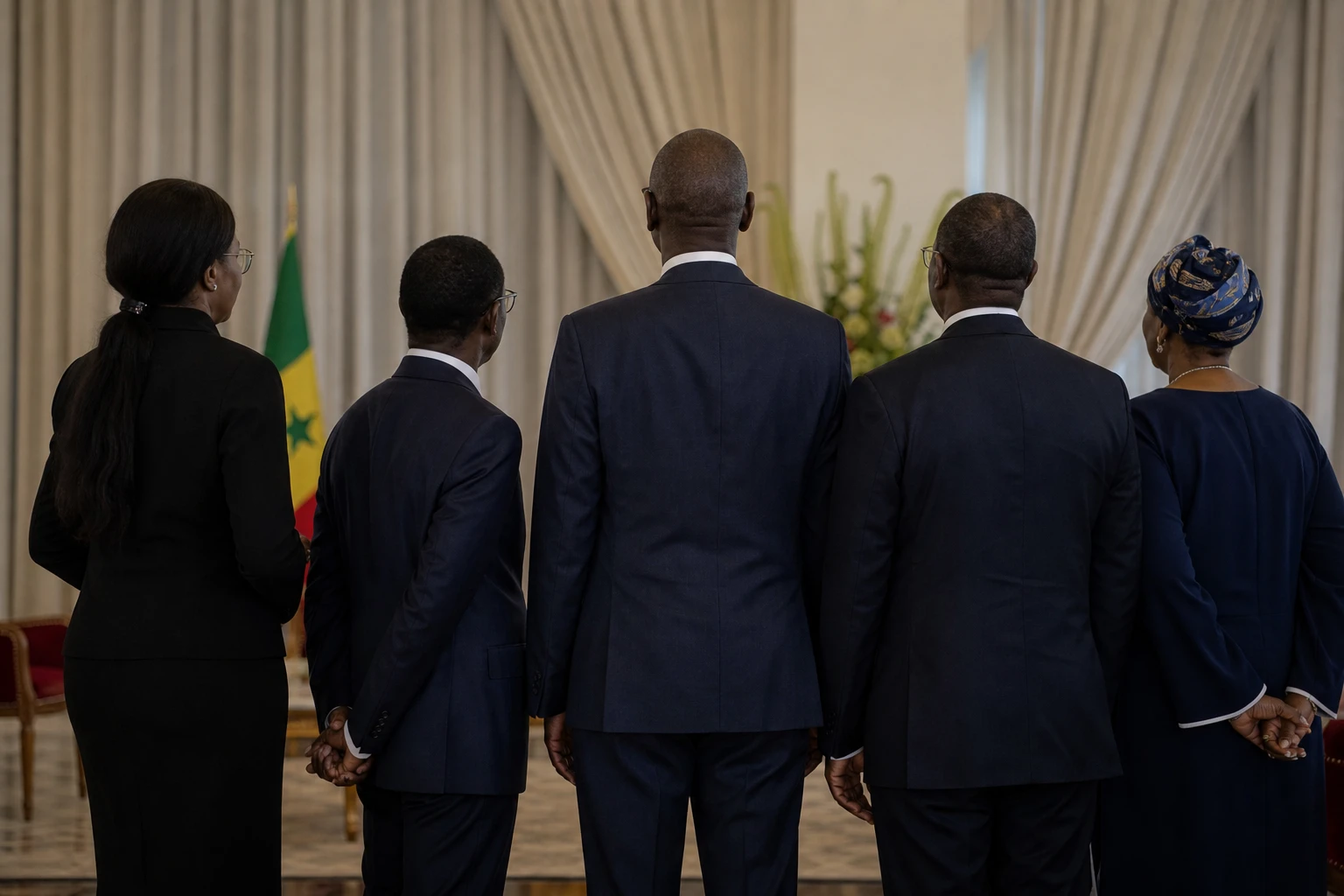
In Dakar, an international ambition meets a still-vivid national memory
The contest to succeed António Guterres is not being played out only in New York. In Senegal, it is reviving an even more weighty question: what place does a former head of state retain in public debate when his name remains associated with political violence and unresolved demands for justice? In this case, Macky Sall’s candidacy for the post of United Nations secretary-general faces highly organised opposition at home.
The issue also goes beyond Senegal alone. The next secretary-general will be selected through a formal process launched by the Security Council and then submitted to the General Assembly, for a five-year term renewable once. The institutional timetable is well established: the process was set in motion in spring 2026 and public discussions with candidates have already begun.
An African candidacy, but no united national front
Macky Sall was officially nominated as a candidate on 2 March 2026 by Burundi, then chair of the African Union. The former Senegalese president, who was in power from 2012 to 2024, is highlighting his international experience and his tenure as head of the African Union from February 2022 to February 2023. But this pan-African perspective has not been enough to secure a consensus, even on the continent.
In Addis Ababa, Dakar has in fact distanced itself from the bid. A note verbale reported by Senegalese public media said the Senegalese state had neither supported nor initiated the candidacy. In the same context, Senegalese diplomats said they had not been involved in the steps taken on Macky Sall’s behalf. This clarification carried considerable weight, as it signalled that support from his country of origin could not be taken for granted.
The former president’s campaign is unfolding alongside a broader debate about representation at the top of the UN. Several states are calling for the first woman secretary-general, and female candidates are already in the running. In this context, Macky Sall is not only an African candidate; he is also one of the names in a highly politicised global contest.
Victims of political violence recall the human cost
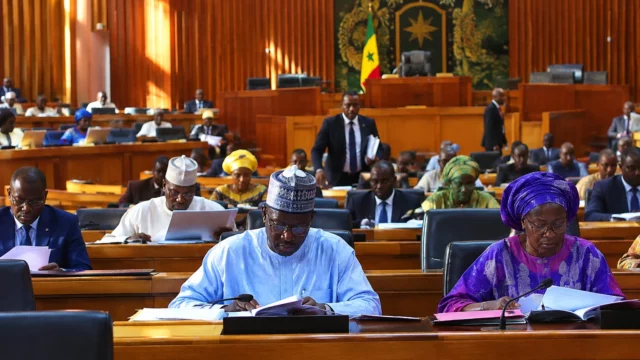
In Senegal, the clearest opposition comes from groups representing victims and relatives of people killed during protests between 2021 and 2024. Their organisations reject the idea that a former president considered responsible for political repression should receive Dakar’s official backing to lead the UN without debate. This divide is longstanding, but it has been rekindled by Macky Sall’s return to Dakar for a meeting with President Bassirou Diomaye Faye.
Estimates of the human toll during this period vary by source, but victims’ rights organisations speak of several dozen deaths. For the sake of caution, this point should be attributed: the groups and several African media outlets cite a high number of victims, although no single count has achieved consensus in public debate as this candidacy returns to the fore. The issue therefore remains as much judicial as commemorative.
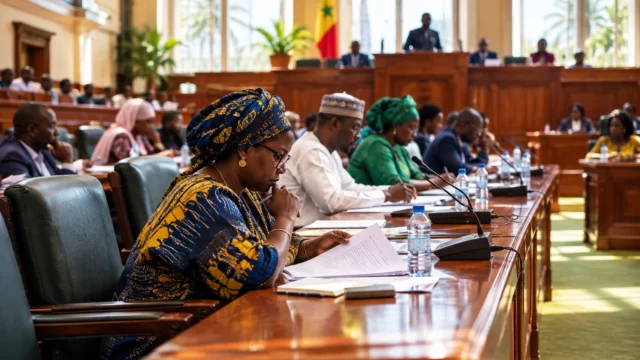
In this climate, statements have been unequivocal. Representatives of the families of the martyrs consider Macky Sall’s visit to Dakar a painful signal, while officials from the Pastef-led presidential majority denounce a form of contempt for the victims. The criticism is political, but it also points to something else: Senegal’s new government cannot automatically support its predecessor’s candidacy without taking account of its activist base and the families affected.
What this affair means for the Senegalese state
President Bassirou Diomaye Faye is in a delicate position. On the one hand, Senegalese diplomacy has an interest in preserving its relations with major multilateral organisations. On the other, the government that came to power after the 2024 change of government built much of its legitimacy on a promise to break with the practices of the previous period. For many Senegalese, supporting Macky Sall’s candidacy would mean relegating political memory to the background.
This tension is all the more acute because the candidacy has not been backed unanimously by Africa. At the February 2026 African Union summit, several states opposed the idea of automatic continental support, and African media reported that 20 countries were among those opposing the endorsement sought by the Sall camp. In short, the argument of an “African voice” is not enough to obscure the real power dynamics between African capitals.
For the victims’ families, the stakes are more tangible still. They fear that a prestigious candidacy could rewrite the account of the final years of his rule without public scrutiny of the alleged abuses. For Senegal’s executive, the question is one of consistency: supporting a former head of state accused of repression could undermine the message of justice advanced since Bassirou Diomaye Faye and Ousmane Sonko came to power.
A diplomatic contest with repercussions far beyond Senegal
The current episode says something broader about West Africa and the African Union. States there often defend their short-term interests while speaking in the continent’s name. In practice, however, candidacies for multilateral posts expose national divisions, regional rivalries and highly political calculations. The Macky Sall case shows that an international career is no longer built only in diplomatic salons; it is also played out before public opinion in the candidate’s country of origin.
The timetable is adding pressure. The Security Council must formalise its review of the candidacies, while public debate at the UN continues with hearings and exchanges between member states. The final verdict will come later, in New York, but the balance of power is already visible in Dakar. And that may be the real significance of this affair: a reminder that in Africa, as elsewhere, international legitimacy often begins with how a country treats its own past.