Algeria
 Egypt
 Libya
 Morocco
 Sudan
 Tunisia
 Benin
 Burkina Faso
 Cabo Verde
 Côte d'Ivoire
 Ghana
 Guinea
 Guinea-Bissau
 Liberia
 Mali
 Mauritania
 Niger
 Nigeria
 Sierra Leone
 The Gambia
 Togo
 Cameroon
 Central African Republic
 Chad
 DR Congo
 Equatorial Guinea
 Gabon
 Republic of the Congo
 São Tomé and Príncipe
 Burundi
 Comoros
 Djibouti
 Eritrea
 Ethiopia
 Kenya
 Madagascar
 Malawi
 Mauritius
 Mozambique
 Rwanda
 Seychelles
 Somalia
 South Sudan
 Tanzania
 Uganda
 Angola
 Botswana
 Eswatini
 Lesotho
 Namibia
 South Africa
 Zambia
 Zimbabwe
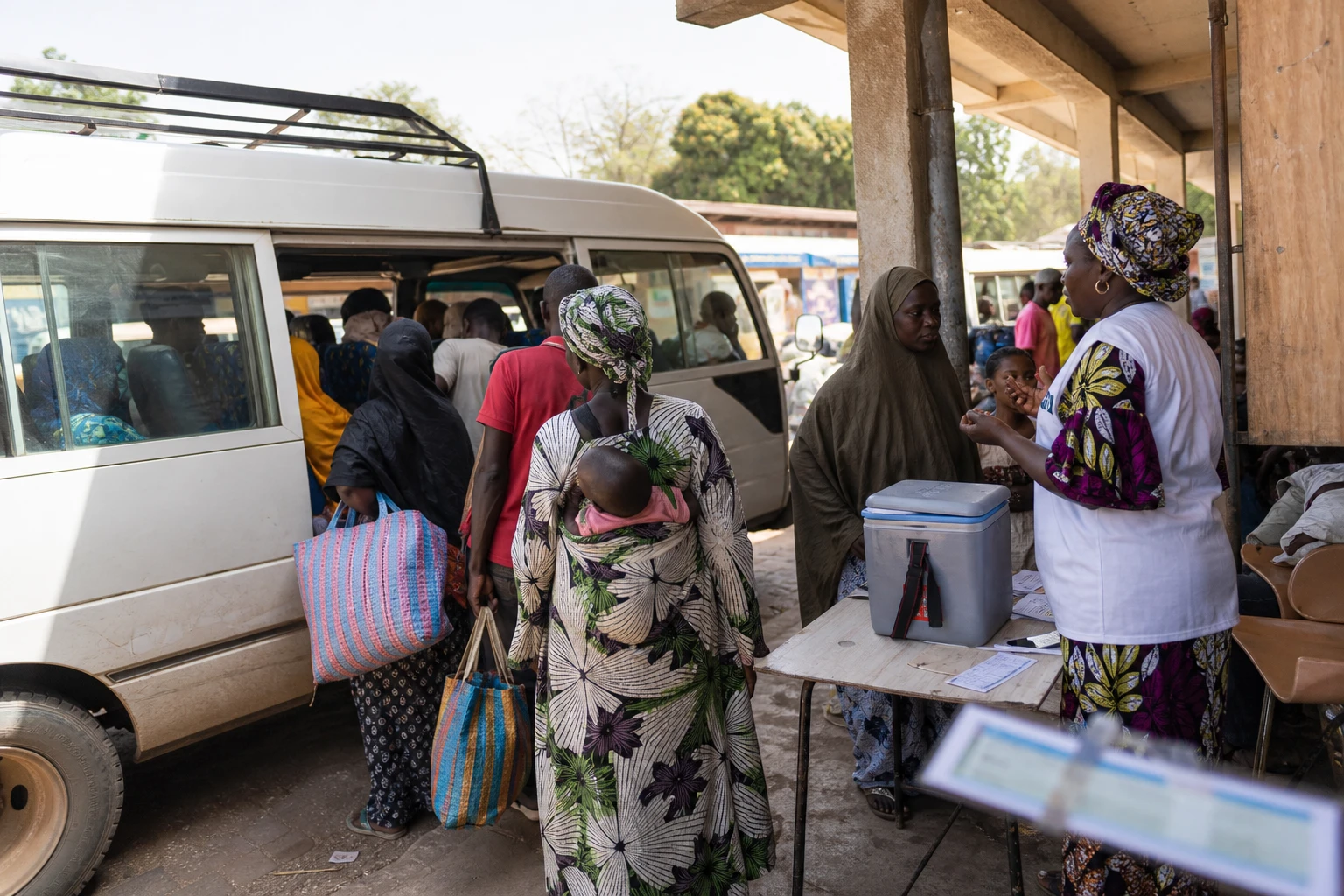
In Senegal, diphtheria is no longer confined to a single outbreak area. In less than three weeks, the number of confirmed cases rose from 57 to 114. The disease now affects 31 health districts in 12 regions, with 11 deaths recorded as of 20 September 2026.
The figures were released on Monday 21 September by the Ministry of Health and Public Hygiene. They confirm that the outbreak has spread nationwide, as authorities step up vaccination, contact monitoring and community awareness efforts.
Rapid spread since the first confirmed case
The first case in the current outbreak was confirmed on 1 August 2026. The update published on 4 September reported 34 cases and six deaths. Five days later, the toll had risen to 57 cases and eight deaths. As of 20 September, it therefore stands at 114 cases and 11 deaths.
This change does not necessarily mean that all infections occurred at the same time. Investigations in several areas may also identify cases that had gone unnoticed. In Kédougou, in south-eastern Senegal, health services conducted retrospective searches following several alerts involving children.
The Kédougou region remains the largest recorded outbreak area. It has 33 cases, across the districts of Kédougou, with 23 cases, Saraya, with eight, and Salémata, with two. The area borders Mali and Guinea. This location makes local surveillance especially important, particularly in places where people move between several territories.
Louga ranks second, with 16 cases. Eight were reported in Darou-Mousty, six in Kébémer, one in Sakal and one in the Louga district. Governor Ndèye Nguénar Mbodji confirmed the figures on 21 September at a regional epidemic management committee meeting.
Fifteen cases have been recorded in Dakar. Guédiawaye has seven and Keur Massar three. The remaining cases are spread across Dakar-Ouest, Dakar-Nord, Dakar-Sud, Pikine and Sangalkam. Cases in the Dakar metropolitan area are a reminder that the outbreak affects rural areas, secondary cities and the capital alike.
Diourbel has 13 cases, including 12 in Touba. Thiès has 12, mainly in Mbour, with 11 cases. The figures also include six cases in Matam, five in Kaolack, five in Tambacounda, four in Kolda, two in Saint-Louis, two in Ziguinchor and one in Fatick.
Bringing vaccination closer to people in Louga
In the Louga region, the response has three main strands: vaccination, information and earlier detection. Meetings are due to take place in the region’s three departments. Authorities also want to involve sub-prefects, local authorities and community health workers.
The aim is to bring vaccination teams closer to residents. This approach can help people catch up on missed doses, especially children who live far from health facilities or whose vaccination records are incomplete.
The governor also reported difficulties with the flow of health information. She expressed concern that some healthcare providers were slow to pass on the data available to them. Yet rapid reporting makes it possible to trace exposed people, organise follow-up and tailor the response in the neighbourhoods or villages concerned.
Diphtheria is a contagious infection that can affect the throat and make breathing difficult. Vaccination is the main means of prevention. The ministry is urging parents to check their children’s vaccination records and ensure they receive the doses scheduled under the Expanded Programme on Immunisation.
Authorities recommend seeking medical care promptly in the event of a sore throat, fever, difficulty swallowing, hoarseness or the appearance of whitish patches in the throat. Breathing difficulties, a swollen neck, nasal discharge or nosebleeds should also prompt people to seek medical advice without delay.
These signs are not enough to establish a diagnosis. However, they warrant assessment by a health professional. Self-medication can delay treatment and complicate the monitoring of people who have been in contact with a confirmed case.
A public health challenge beyond local outbreak areas
The distribution of cases changes the nature of the alert. Senegal is not facing an outbreak limited to Kédougou. Twelve regions are now affected. Health services must therefore maintain a national response while adapting measures to the realities of each area.
Needs differ from one place to another. In rural areas, access to health posts and long distances can delay vaccination or medical consultations. In cities, population density and daily travel make it harder to identify contacts. In Dakar, the challenge also lies in rapidly monitoring cases in densely populated departments.
The spread also requires coordination between national, regional and local authorities. Health directorates, local authorities, schools and community health workers must share relevant information. This organisation is essential to prevent an isolated case from turning into a wider outbreak.
The regional context also matters. Senegal is a member of the Economic Community of West African States, ECOWAS. The movement of people between neighbouring countries makes coordinated surveillance of communicable diseases necessary, particularly in border regions such as Kédougou.
For Senegalese authorities, the next step will be to assess the impact of vaccination campaigns and determine whether the number of new cases is slowing. They will also need to monitor developments in districts already affected, rapidly identify chains of transmission and ensure families have access to clear information.
The figures as of 20 September are therefore a warning, but not a final tally for the outbreak. Vaccination, data quality and the speed of treatment will determine Senegal’s ability to contain the spread of diphtheria in the coming weeks.
The regional update issued in Louga and the national figures as of 20 September confirm the scale of the health response currently under way in Senegal.