Algeria
 Egypt
 Libya
 Morocco
 Sudan
 Tunisia
 Benin
 Burkina Faso
 Cabo Verde
 Côte d'Ivoire
 Ghana
 Guinea
 Guinea-Bissau
 Liberia
 Mali
 Mauritania
 Niger
 Nigeria
 Sierra Leone
 The Gambia
 Togo
 Cameroon
 Central African Republic
 Chad
 DR Congo
 Equatorial Guinea
 Gabon
 Republic of the Congo
 São Tomé and Príncipe
 Burundi
 Comoros
 Djibouti
 Eritrea
 Ethiopia
 Kenya
 Madagascar
 Malawi
 Mauritius
 Mozambique
 Rwanda
 Seychelles
 Somalia
 South Sudan
 Tanzania
 Uganda
 Angola
 Botswana
 Eswatini
 Lesotho
 Namibia
 South Africa
 Zambia
 Zimbabwe
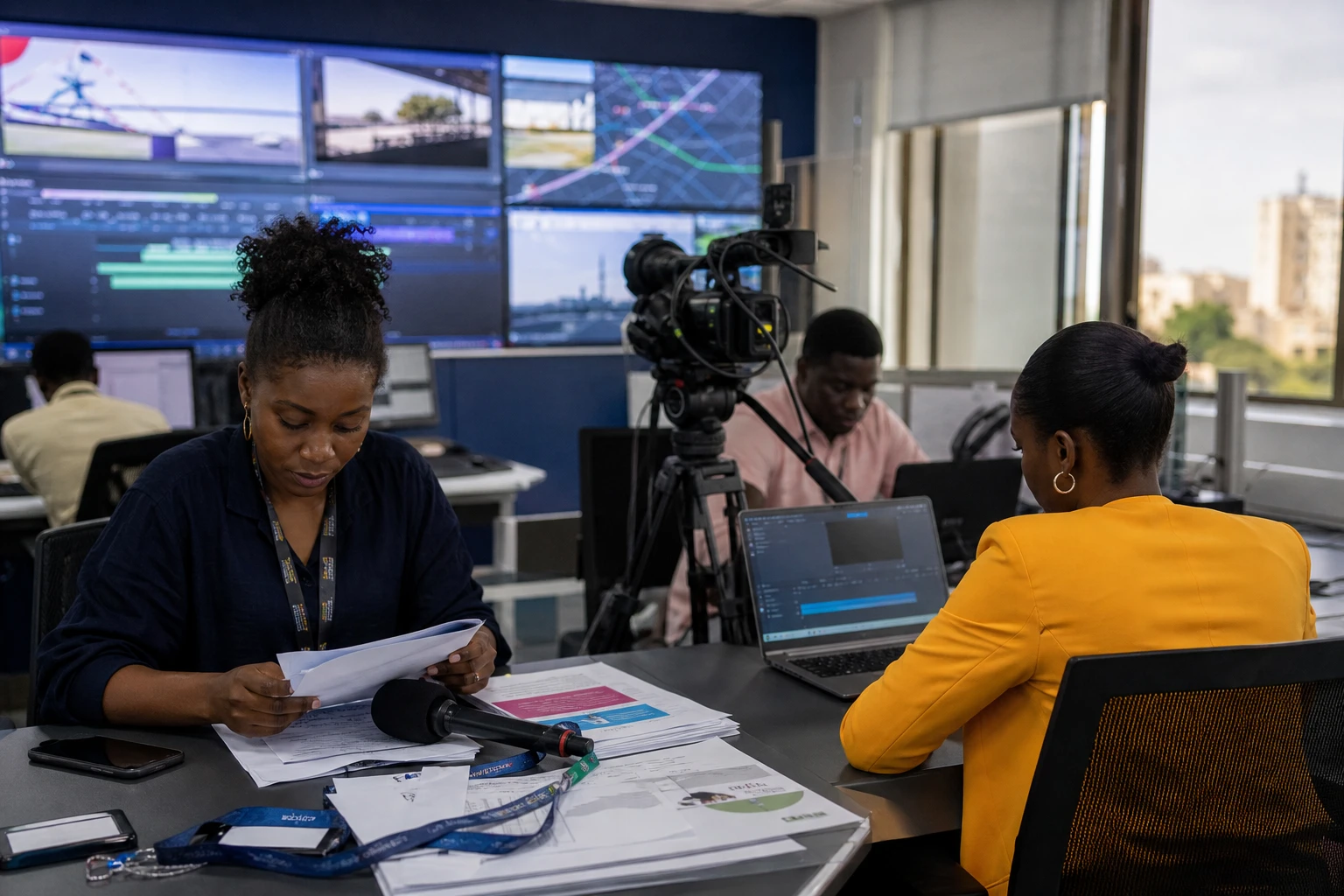
In Dakar, the countdown is about more than stadiums
With 100 days to go before an unprecedented event for the continent, the pressure is no longer symbolic. In Dakar, the challenge lies as much in the tracks, arenas and transport as in Senegal’s ability to host thousands of young athletes, officials and visitors at the same time. The Dakar 2026 Youth Olympic Games are due to open on 31 October 2026 and run until 13 November 2026.
This first Olympic event to be held in Africa puts Senegal in a distinctive position. The task is not simply to organise a competition. It is also to show that a major West African city can meet international standards while retaining its own pace, transport systems, urban practices and way of welcoming people. The test is sporting, but also administrative, logistical and political.
A project spread across Dakar, Diamniadio and Saly
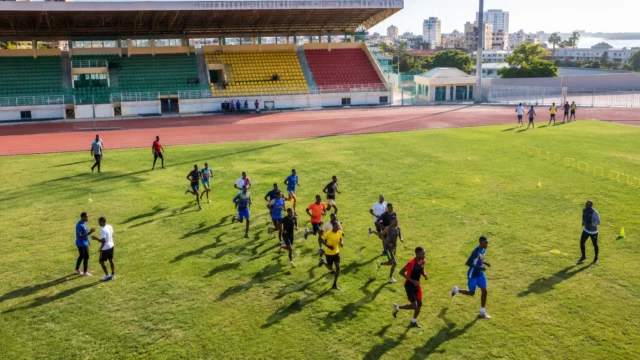
The YOG set-up is based around three hubs: Dakar, Diamniadio and Saly. The official venues list eight competition sites, with events spread across the Tour de l’Œuf Complex, the Iba Mar Diop Complex, the Corniche Ouest, the Equestrian Centre, Dakar Arena, Abdoulaye Wade Stadium, the Dakar Exhibition Centre and Saly Plage Ouest.
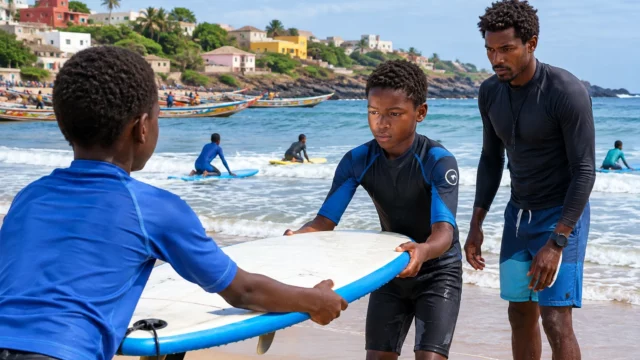
This geography says a great deal about Senegal in recent years. Dakar concentrates energy, crowds and visibility. Diamniadio embodies the new city, designed to ease congestion in the capital and host major facilities. Saly completes the picture with beach sports and coastal disciplines. In other words, the Games are not confined to a single venue. They sketch a small map of a country in motion.
The International Olympic Committee confirmed in spring 2026 that preparations were entering a delivery phase. During its visit to Dakar, the coordination commission spoke of a shift from planning to execution, following discussions with the organising committee and local authorities.
Authorities say the essentials are ready, but final preparations matter
In April 2026, YOG general coordinator Ibrahima Wade said Senegal was ready in terms of infrastructure and the services required. He cited accreditation, airport reception, accommodation and logistics. At the same time, Senegal’s presidency called on the government to step up the development of sports infrastructure and the mobilisation of young people around the event in every department.
The official timetable confirms that some of the operational framework is already in place. Ticketing, the volunteer portal, media guides and transport plans are open or published. The official website also says that Blaise Diagne International Airport will serve as the gateway, with a transport network combining shuttles, the TER regional express train and BRT access for accredited people.
But the word “ready” should not obscure the work still to be done. At an event of this scale, the final 100 days are often used to sort out what does not appear on screen: traffic between venues, smooth checks, accommodation arrangements, security coordination, signage and, above all, coordination between institutions. That is where the difference between an adequate event and a well-managed one is made. This is an inference based on the preparation documents and coordination visits, not an official statement.
For Senegal, the legacy matters as much as the ceremony
The Senegalese government presents the YOG as a means of training and creating opportunities for young people. In April, the state announced 235 million CFA francs to support 15 athletes in elite competition, in preparation for the YOG and other international events. The message is clear: the Games should also help build a national sports pathway, not just host foreign delegations for two weeks.
The IOC is taking a similar approach with its legacy programmes. It has highlighted the Dakar 2026 Learning Academy, which aims to train more than 400 young professionals in delivering the Games. The International Labour Organization, for its part, signed a cooperation agreement with the organising committee to pursue a lasting social legacy after the event. This shows that the YOG are not conceived as a mere image-building peak, but as a way to pass on skills.
For Dakar residents, the stakes are even more concrete. The capital already has a high population density, chronic traffic jams and constant pressure on urban services. Construction and developments linked to the Games could improve some routes, modernise facilities and encourage sporting activity. They could also cause temporary friction if traffic flows are not well coordinated. On the outskirts, in Diamniadio, where the state has concentrated recent infrastructure, the Games could speed up the integration of a hub that is still taking shape socially. In Saly, the impact is different: it is felt more in tourism, transport and coastal services.
An African showcase, under African scrutiny
The continental significance of Dakar 2026 goes beyond sport. Senegal will become the first African country to host an Olympic event. This puts West Africa at the centre of a moment that many are already watching as a test of the continent’s capacity to host future major events. The implicit message is significant: Africa is not merely asking to be represented; it is showing that it can organise.
This regional reach also concerns ECOWAS, the West African region through which most of Senegal’s human, commercial and sporting exchanges take place. Although the YOG remain an Olympic event, their impact as a showcase for mobility and technical cooperation extends across the sub-region. A successful Games in Dakar will strengthen the case made by those in Africa who advocate more sustainable investment in sports infrastructure, event-sector professions and youth training.
The next milestone to watch is straightforward: the readiness of the venue-entry arrangements, followed by the opening on 31 October 2026. Until then, Senegal will seek to turn a promise into a demonstration. And in a competition of this level, the final stretch often says more than the speeches.