Algeria
 Egypt
 Libya
 Morocco
 Sudan
 Tunisia
 Benin
 Burkina Faso
 Cabo Verde
 Côte d'Ivoire
 Ghana
 Guinea
 Guinea-Bissau
 Liberia
 Mali
 Mauritania
 Niger
 Nigeria
 Sierra Leone
 The Gambia
 Togo
 Cameroon
 Central African Republic
 Chad
 DR Congo
 Equatorial Guinea
 Gabon
 Republic of the Congo
 São Tomé and Príncipe
 Burundi
 Comoros
 Djibouti
 Eritrea
 Ethiopia
 Kenya
 Madagascar
 Malawi
 Mauritius
 Mozambique
 Rwanda
 Seychelles
 Somalia
 South Sudan
 Tanzania
 Uganda
 Angola
 Botswana
 Eswatini
 Lesotho
 Namibia
 South Africa
 Zambia
 Zimbabwe
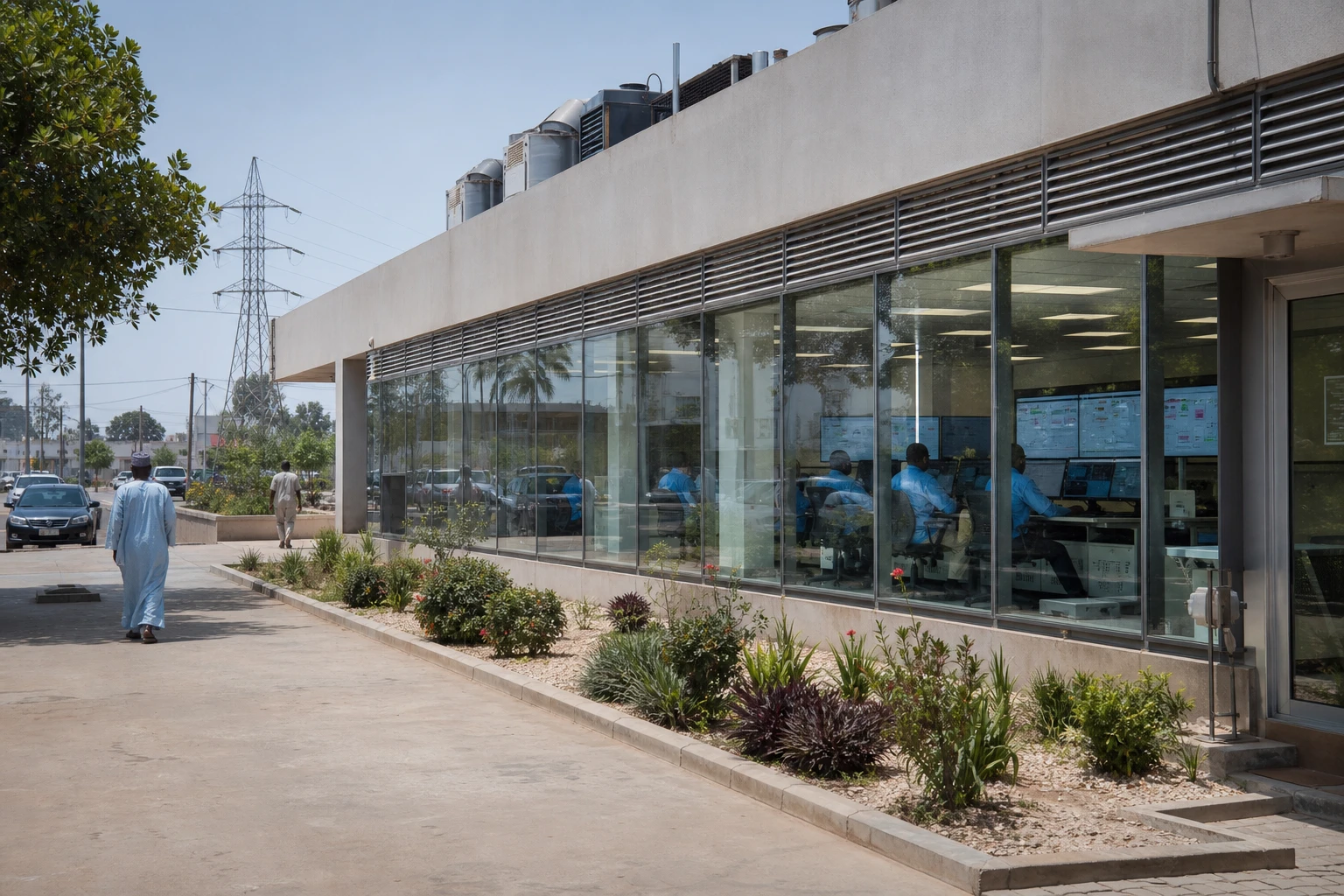
In Dakar, the heat is not measured only by the thermometer. It is also felt in homes, shops and workshops when air conditioners, fans and production equipment stop working. For several weeks, power cuts have disrupted daily life for many Senegalese, as demand reaches high levels.
Senelec, Senegal’s national electricity company, says it is working to restore normal service gradually. Its managing director, Papa Toby Gaye, cited several technical incidents affecting major units in the generation fleet. He also pointed to rising consumption, fuel supply constraints and financial pressures weighing on the system’s operation.
A capital under pressure during heat peaks
The Dakar region accounts for a large share of Senegal’s economic, administrative and industrial activity. When temperatures rise, consumption increases rapidly. Households use fans and air conditioners more often. Businesses, health services and shops also need to keep their equipment running.
This pressure comes as several generation facilities are not fully available. Senelec reported disruptions in various parts of Dakar, as well as in Diamniadio, Rufisque, Guédiawaye and Mbao. Some interruptions were scheduled to allow maintenance and grid reinforcement work, notably between 7 and 13 September 2026.
These operations affected residential areas, businesses and critical infrastructure. Facilities including Dantec Hospital, the Pasteur Institute and Principal Hospital were among the sites covered by the announced programme. Senelec described the work as necessary to improve service quality, while acknowledging the inconvenience caused.
Two strategic units out of service
The recent deterioration, however, is not explained solely by planned work. In public remarks, Senelec’s management said two major units had simultaneously reduced available capacity. The Karpowership floating power plant was affected by a fault in its booster pump, which is essential to the use of liquefied natural gas.
A further problem affected the Cap des Biches power plant. According to information reported by Seneweb, the shutdown of part of the facility on 6 and 7 September resulted in an estimated loss of 240 megawatts. Senelec’s management, for its part, cited the recovery of around 300 megawatts in total following the gradual return to service of several units.
These figures should be understood as capacity temporarily unavailable, not as a direct measure of the electricity actually consumed by households. They nevertheless show how fragile a system can be when several major units encounter problems at the same time.
Senegalese Radio and Television reported that the pump for the floating unit had arrived in Dakar and that tests would follow its installation. Diagnostic and repair work was also announced at Cap des Biches. Senelec was forecasting a gradual improvement before the end of the week of 21 September.
A technical crisis that exposes deeper constraints
The current power cuts are therefore the result of a combination of factors. Demand exceeded forecasts for the period of extreme heat. At the same time, generation capacity was taken offline and fuel supplies encountered difficulties.
Senelec’s managing director also cited logistical and financial constraints. Reliance on power plants running on fuel oil or diesel exposes the company to fluctuations in international prices and transport difficulties. This dependence complicates planning, particularly when consumption rises sharply.
Data from the National Agency for Statistics and Demography also show that Senelec does not produce all the electricity generated nationally. In 2024, the company accounted for 23.4% of electricity production, while purchases from other producers made up 76.6% of its supply. The grid’s operation therefore depends on coordination between several power plants and operators.
This arrangement makes it possible to increase supply when facilities are operating normally. However, it can exacerbate difficulties when a strategic unit breaks down. The capital feels the effects quickly because it concentrates demand and activities most dependent on an uninterrupted power supply.
Different consequences for neighbourhoods and businesses
For households, power cuts disrupt food storage, access to water in some apartment buildings and working from home. The heat also makes interruptions harder to bear, particularly for children, older people and those with respiratory or cardiovascular conditions.
Small businesses are also exposed. Workshops, hair salons, restaurants, digital services and shops using refrigeration equipment can lose part of their revenue. Those with a generator must absorb the cost of fuel and maintenance. Others shorten their opening hours or temporarily suspend operations.
At health facilities, the challenge is different. Generators can take over, but they do not always replace a stable power supply over an extended period. Managers must therefore manage fuel, protect sensitive equipment and maintain essential care despite interruptions.
A national and West African issue
Senegal has been seeking to strengthen its generation capacity and grid for several years. Rising demand has accompanied urbanisation, industrialisation and the expansion of access to electricity. Progress in recent years has improved the situation compared with periods of widespread power cuts, but has not eliminated the risks associated with breakdowns, fuel and energy transmission.
The issue therefore extends beyond Dakar. Within the Economic Community of West African States, ECOWAS, countries are seeking to expand electricity trading to balance their grids more effectively. Interconnection can provide a backup solution, but requires robust infrastructure, clear contracts and sufficient generation capacity in partner countries.
For Senegalese authorities, the immediate priority remains restoring failed equipment to service and stabilising supply. In the longer term, the questions are how to diversify energy sources, modernise the grid and prepare for peaks in consumption. The next period of extreme heat will show whether the announced repairs have genuinely strengthened the electricity system’s resilience.