Algeria
 Egypt
 Libya
 Morocco
 Sudan
 Tunisia
 Benin
 Burkina Faso
 Cabo Verde
 Côte d'Ivoire
 Ghana
 Guinea
 Guinea-Bissau
 Liberia
 Mali
 Mauritania
 Niger
 Nigeria
 Sierra Leone
 The Gambia
 Togo
 Cameroon
 Central African Republic
 Chad
 DR Congo
 Equatorial Guinea
 Gabon
 Republic of the Congo
 São Tomé and Príncipe
 Burundi
 Comoros
 Djibouti
 Eritrea
 Ethiopia
 Kenya
 Madagascar
 Malawi
 Mauritius
 Mozambique
 Rwanda
 Seychelles
 Somalia
 South Sudan
 Tanzania
 Uganda
 Angola
 Botswana
 Eswatini
 Lesotho
 Namibia
 South Africa
 Zambia
 Zimbabwe
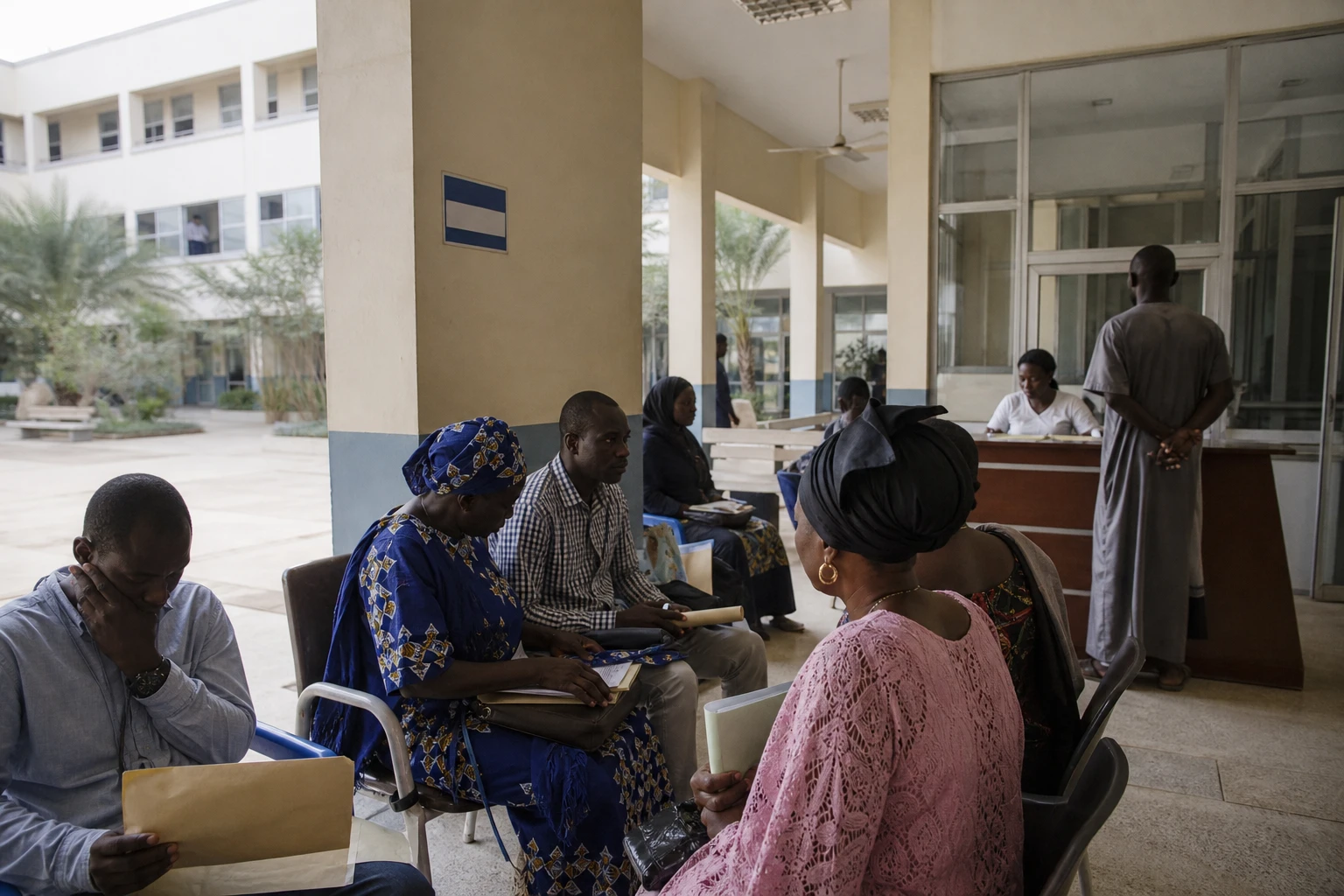
When an absence lasts for years, it becomes another kind of presence
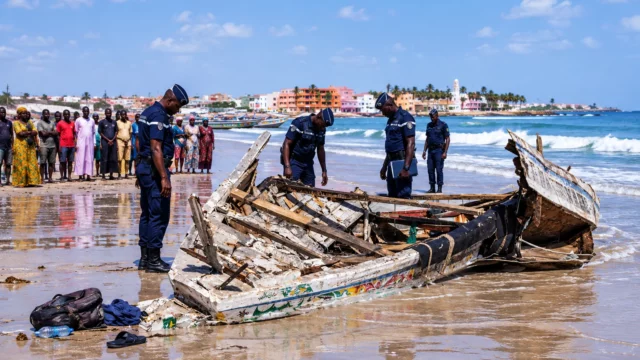
In Dakar, families speak of loved ones who disappeared at sea as if they were describing a void that refuses to close. This is not only about migration. It is also about grief on hold, missing documents and years spent uncertain about the fate of a son, brother or husband. International Day of the Disappeared, marked every 30 August, gives a framework to this silent pain. It is a reminder that disappearances also affect migration routes, not only armed conflicts.
In Senegal, this issue is part of a long-familiar social reality. The country remains a major point of departure on the West African Atlantic route to the Canary Islands, although flows vary from year to year. The IOM notes that this route remains one of the most dangerous, with deaths and disappearances continuing to weigh on families and coastal communities. CILMI, the Interministerial Committee for the Fight against Irregular Migration, has also made prevention, protection and migrants’ return stated priorities in its national strategy.
In Dakar, families are above all demanding answers
On Monday 31 August 2026, relatives of missing people gathered in Dakar to honour their dead without graves and their absent loved ones without proof of death. Among them, Ibrahima Diop recalled that two of his brothers disappeared 20 years apart, one in 2006 and the other in 2024, with no news ever received. His testimony captures the essence of the matter: without an identified body, a death certificate or a trace, time does not bring relief. It prolongs the wait.
This wait also has an administrative dimension. The ICRC supports families in Senegal in clarifying the fate of a missing relative, restoring contact where possible and assisting with legal or psychosocial procedures. The organisation has worked with the Senegalese Red Cross for several years. Its publications indicate that this kind of support helps families emerge from isolation and regain a degree of stability, even when no definitive answer is available.
The need is not only moral. It is also legal. A study on Senegal recalls that families of missing migrants are entitled to effective searches, the identification of people who are found and reliable information about their fate. This is no bureaucratic detail. It is the minimum condition for an absence to stop being a daily torment.
An issue for Senegal, but also for West Africa
Senegal is not alone in facing this tragedy. The Atlantic route links West African coasts to the Canary Islands and then to Europe, crossing departure areas that can shift, from Casamance to the northern coast. The IOM estimates that irregular departures to Europe remain significant across West and Central Africa, while risks at sea continue to grow. In 2025, the agency again documented irregular arrivals in the Canary Islands following crossings from West and North Africa, despite a decline compared with 2024.
The issue therefore involves several actors at once. For families, the priority is the truth. For the Senegalese state, the challenge is twofold: preventing dangerous departures and improving the way missing people are cared for. Coastal local authorities, family associations and rescue organisations must also address the social, psychological and economic consequences of these prolonged absences. In fishing villages and working-class neighbourhoods of Dakar alike, a disappearance can destabilise an entire household, especially when the migrant’s income was already essential to the family’s finances.
Senegalese authorities have made a series of announcements in recent months. CILMI says it intercepted thousands of people in 2025, seized boats and strengthened its regional branches. The government is also promoting circular migration to Spain, presented as a regular alternative to clandestine crossings. But these measures do not answer a central question: what is being done for families who still have no certainty about a loved one who went to sea?
What Senegal’s case says to the continent
Senegal’s experience resonates far beyond Dakar. It shows that African migration to Europe cannot be reduced to figures for arrivals or returns. It also produces thousands of unresolved disappearances, calling for search, identification and support mechanisms at national and regional level. The ICRC and IOM have for years called for coordinated responses, including with ECOWAS states, which share with Senegal a space of movement, work and common vulnerabilities.
In this case, the continental significance is clear. The challenge is not only to prevent departures. It is also to recognise missing people as individuals whose fate must be established, and their families as rights-holders. This is where a quiet but essential part of public dignity in West Africa is at stake. As long as answers remain incomplete, missing pirogues will continue to haunt homes, ports and memories.