Algeria
 Egypt
 Libya
 Morocco
 Sudan
 Tunisia
 Benin
 Burkina Faso
 Cabo Verde
 Côte d'Ivoire
 Ghana
 Guinea
 Guinea-Bissau
 Liberia
 Mali
 Mauritania
 Niger
 Nigeria
 Sierra Leone
 The Gambia
 Togo
 Cameroon
 Central African Republic
 Chad
 DR Congo
 Equatorial Guinea
 Gabon
 Republic of the Congo
 São Tomé and Príncipe
 Burundi
 Comoros
 Djibouti
 Eritrea
 Ethiopia
 Kenya
 Madagascar
 Malawi
 Mauritius
 Mozambique
 Rwanda
 Seychelles
 Somalia
 South Sudan
 Tanzania
 Uganda
 Angola
 Botswana
 Eswatini
 Lesotho
 Namibia
 South Africa
 Zambia
 Zimbabwe
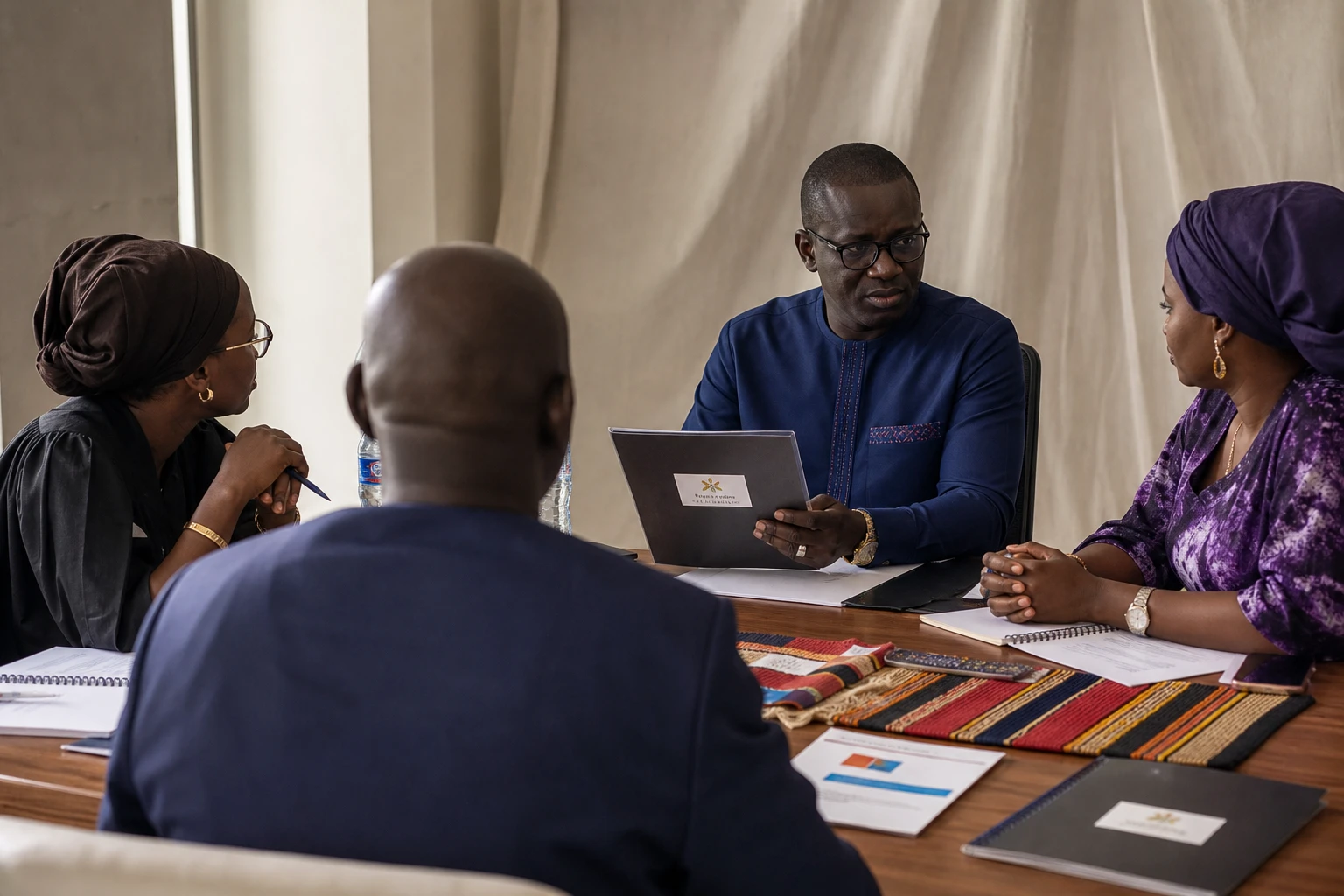
At Saly-Portudal, beaches are no longer enough to fill hotels. Several establishments have disappeared from the Petite Côte, while visitors are increasingly seeking encounters, heritage and experiences rooted in local areas. For Senegal, the challenge is no longer simply to attract tourists. It is also to renew the destination model.
A beach tourism model reaching its limits
For several years, the Petite Côte has accounted for a large share of Senegal’s tourism offer. Saly, south of Dakar, remains a major hub. However, its activity depends heavily on beach holidays, European markets and hotels’ ability to maintain a competitive offer.
Industry professionals report a significant reduction in accommodation capacity in the area. The closure of several establishments, including Aldiana, Domaine de Nianing, Savana hotels and Hôtel Teranga, has led to the loss of many tourist beds. These closures do not reflect falling demand alone. They also point to ageing infrastructure, financing difficulties and changing traveller expectations.
Tourism nevertheless remains a strategic sector for Senegal. It supports hotels, restaurants, transport, crafts and many informal activities. Its slowdown therefore affects far more than the establishments directly concerned. On the Petite Côte, the impact is being felt by guides, drivers, vendors, artisans and producers who depend on visitor numbers.
The Senegalese government now wants to broaden the country’s tourism map. At its meeting on 17 September 2025, the Council of Ministers called for the revitalisation of several areas, including the Petite Côte, Cap Skirring, the Saloum Islands and Gorée. This direction forms part of the National Transformation Agenda and the drive to better connect culture, crafts, heritage and employment.
Culture as a new point of entry
The change in approach is significant. Senegal no longer wants to be presented solely as a destination for sunshine and winter breaks. It is seeking to make better use of its historic cities, artistic expression, expertise and ecosystems.
Saint-Louis illustrates this strategy. Its architectural heritage, history and cultural calendar offer potential that differs from that of the beach resorts. The Saint-Louis International Jazz Festival can attract visitors, but its impact depends on its ability to benefit the city’s hotels, restaurants, shops and cultural initiatives.
The Dakar Biennale, the Fanal of Saint-Louis and other arts events can also contribute to this diversification. They attract audiences interested in contemporary art, music, heritage and debate. To generate lasting benefits, however, these events need to be incorporated into better-organised circuits that are accessible from the main urban centres.
In the Saloum Islands, the offer can draw on mangroves, fishing, crafts and community initiatives. In Casamance, experiences involving rice fields, cashew processing and local traditions can complement conventional holidays. These activities must not turn residents into mere objects of tourism. They must generate income, protect resources and give local stakeholders a genuine role.
This requirement applies to Saly, too. Even in a beach resort, batik workshops, craft activities and exchanges around family ceremonies can enrich a stay. Diversification does not mean abandoning the coast. It means connecting the beach with the country’s interior, leisure with local expertise, and short stays with a more complete discovery of Senegal.
More locally rooted and inclusive tourism
The strategy announced by the Senegalese authorities also aims to distribute the benefits of tourism more widely. Today, the gains remain concentrated in a few areas, notably Dakar, the Petite Côte and some already well-known sites. The regions nevertheless have considerable assets, but accessibility, promotion and accommodation capacity remain uneven.
This situation creates a gap between the capital and more remote areas. Dakar concentrates air links, major events, agencies and a large share of investment. In rural areas, the offer relies more on small businesses, associations and family initiatives. These stakeholders need training, suitable financing and reliable marketing channels.
The government has announced national consultations on culture, crafts and tourism. Launched in April 2026, the work is intended to establish a shared assessment and propose measures on organising the sectors, access to finance, training and digital promotion. The Ministry of Culture, Crafts and Tourism presents the initiative as a way to turn cultural potential into measurable economic results.
Infrastructure will remain central. Better roads, the quality of domestic transport, the availability of water and electricity, and digital connectivity all shape the visitor experience. They also determine whether local businesses can operate throughout the year, beyond periods of peak demand.
The diaspora and major events in focus
Senegal also wants to attract African and diaspora visitors. This approach could reduce dependence on a handful of European markets. It also reflects changing patterns of mobility across the continent, where travel is often linked to family, business, culture, education or major events.
The Dakar 2026 Youth Olympic Games are intended to serve as a showcase. Their significance will extend beyond the competitions. They could support business tourism, raise Dakar’s profile and accelerate improvements to some services. Their legacy will nevertheless depend on whether facilities are reused and whether activity can be sustained after the Games close.
The Senegalese and African diaspora offer another source of visitors. Many are looking less for a standardised holiday than for a connection with a history, language, cuisine or family memory. An offer designed for these audiences could combine heritage, contemporary creativity, food and discovery of different areas, without reducing travel to a return to one’s roots.
Digital tools must support this shift. The announced “Senegal in One Click” platform is intended to bring offers together and improve their visibility. To be useful, it will need to include small operators, display up-to-date information and make booking straightforward. Influencers can raise a destination’s profile, but promotion cannot replace service quality or reliable transport.
A West African challenge
Senegal’s repositioning is part of a regional competition. Countries in the Economic Community of West African States (ECOWAS) are also seeking to develop exchanges, events and cross-border tourism circuits. Senegal can draw on its Atlantic coastline, Dakar, its air links and its cultural influence.
Success will nevertheless depend on consistency between announcements and implementation. Restoring sites, professionalising trades, financing small businesses and protecting heritage will require sustained action. The next test will be coordination between the state, local authorities, private operators and local communities.
For Senegal, moving beyond a beach-only offer is therefore not simply a change of brochure. It is a reorganisation of the tourism value chain. It must enable Dakar and Saint-Louis, the Saloum Islands and Casamance, the resorts of the Petite Côte and areas in the interior to contribute to a more diverse, resilient destination, more deeply rooted in Senegalese society.