Algeria
 Egypt
 Libya
 Morocco
 Sudan
 Tunisia
 Benin
 Burkina Faso
 Cabo Verde
 Côte d'Ivoire
 Ghana
 Guinea
 Guinea-Bissau
 Liberia
 Mali
 Mauritania
 Niger
 Nigeria
 Sierra Leone
 The Gambia
 Togo
 Cameroon
 Central African Republic
 Chad
 DR Congo
 Equatorial Guinea
 Gabon
 Republic of the Congo
 São Tomé and Príncipe
 Burundi
 Comoros
 Djibouti
 Eritrea
 Ethiopia
 Kenya
 Madagascar
 Malawi
 Mauritius
 Mozambique
 Rwanda
 Seychelles
 Somalia
 South Sudan
 Tanzania
 Uganda
 Angola
 Botswana
 Eswatini
 Lesotho
 Namibia
 South Africa
 Zambia
 Zimbabwe
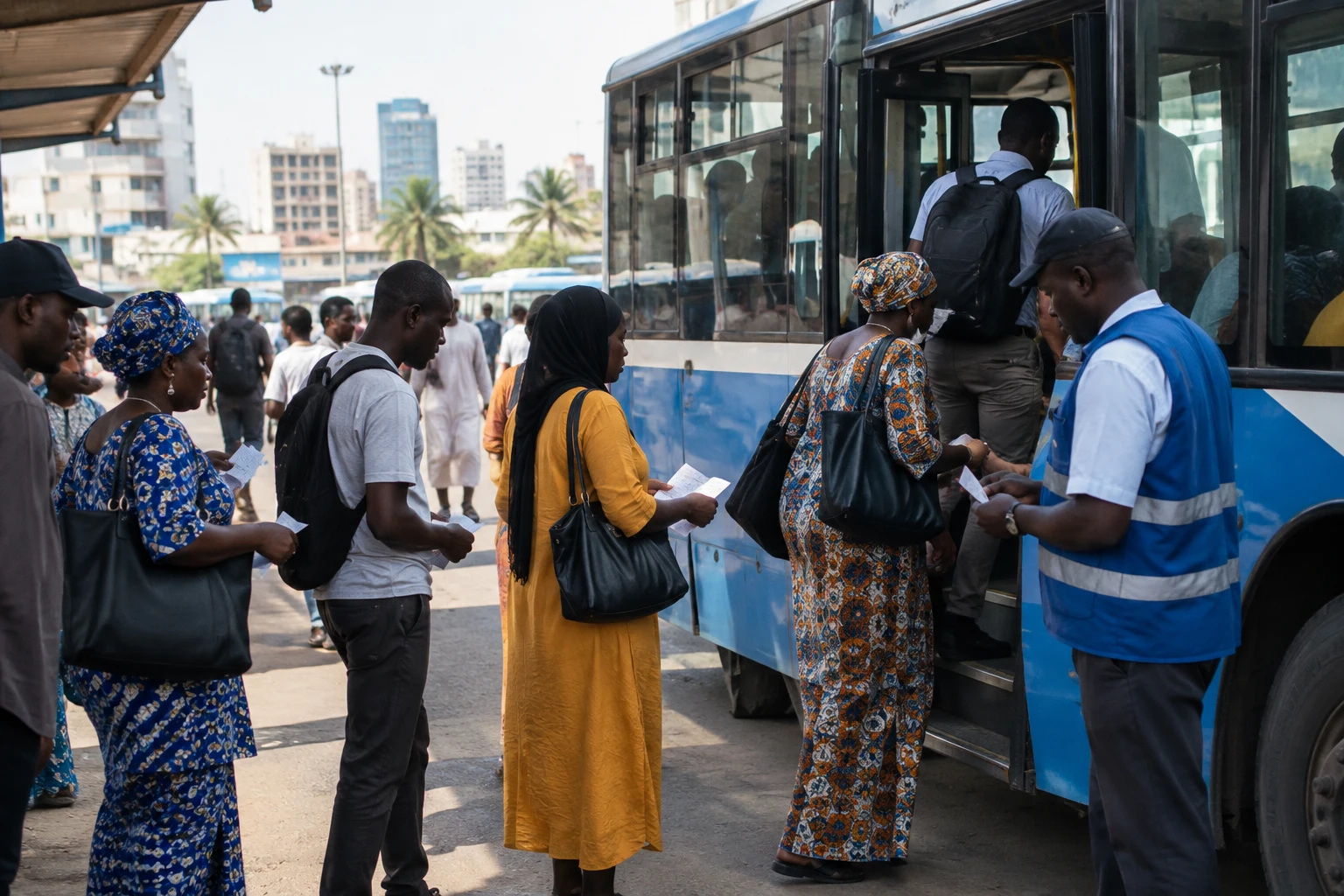
In Dakar, disagreement over the budget is not simply a battle between MPs and the government. It is also about how to fund public services, protect households and restore confidence in the state’s accounts.
A budget adjustment amid debt and financial pressure
A supplementary finance bill allows the budget approved at the start of the year to be amended to take account of new revenues and spending. In Senegal, the government has cited rising energy costs and the need to adjust public financing.
The debate follows the discovery in 2024 of substantial public debt that had not been declared by the previous authorities. Since then, budget transparency and the state’s ability to borrow have been at the heart of national economic discussions.
On 1st September 2026, Dakar and the International Monetary Fund (IMF) reached a staff-level agreement on a 36-month programme worth about $2.2bn. This is not yet approved financing: the IMF’s executive board must take a decision after corrective measures have been implemented and financing assurances obtained. The IMF statement sets out the conditions of the agreement.
Bill returns to plenary after two committee rejections
The bill was submitted to the National Assembly in September. President Bassirou Diomaye Faye asked for it to be given priority on the agenda of the parliamentary session, according to information reported by the Senegalese Press Agency (APS).
The Finance and Budgetary Control Committee rejected the bill for a second time on Friday 30 October. The Ministry of the Economy said it had addressed concerns raised by the Pastef parliamentary group, particularly over energy subsidies, family security grants and priority spending. It also said it had submitted supporting documents. These exchanges did not resolve the committee’s objections, reports Senegalese Radio and Television (RTS).
On Tuesday 3 November, MPs are due to meet in plenary to examine the bill. The Minister of the Economy, Finance and Planning, Cheikh Diba, is expected to defend it before the Assembly, APS reported. The plenary vote is a new step after the committee deadlock; it should not be confused with approval already having been secured.
Pastef, the party in power and the majority party in parliament, disputes the revenue and spending forecasts as well as the safeguards proposed for purchasing power. The government, meanwhile, argues that the adjustment is necessary to fund the state’s priorities. The two positions highlight a central issue: the robustness of the budget assumptions, but also how the burden being demanded will actually be shared.
Choices that affect households and public services
Energy subsidies and grants for vulnerable families give the debate direct consequences. For households, the level of public support can affect bills and disposable income. For the state, this spending must be based on realistic revenues and commitments that can be financed.
A budget that is not adjusted could also complicate spending plans and cash management. The ministry warns that uncertainty risks limiting the resources available for national priorities. This warning comes from the government: the scale of the impact will depend in particular on the outcome of the vote and the financing that can be mobilised.
The debate is also about trust between institutions. In the wake of revelations about the debt, elected officials are seeking explanations of the figures, while the executive must account for its choices. Senegalese people, in Dakar and in the regions, are affected by the consequences for social transfers, public services and investment.
A test of regional financial credibility
The IMF presents its programme as support for restoring macroeconomic stability and debt sustainability. It also provides for measures to mobilise revenue, control spending and strengthen targeted social transfers. The agreement nevertheless remains subject to conditions and a formal decision by its executive board.
For Senegal, a member of the Economic Community of West African States (ECOWAS), the outcome of the debate will be watched beyond its borders. It will shed light on the institutions’ ability to reconcile parliamentary scrutiny, social protection and financial commitments in a region where access to financing and debt management weigh on economic choices.
In the short term, the decisive issue is the plenary vote and the final wording of the bill. In the longer term, the question will be whether the announced budget commitments can support public services and households while meeting the conditions attached to the international programme.