Egypt
 Libya
 Morocco
 Sudan
 Tunisia
 Benin
 Burkina Faso
 Cabo Verde
 Côte d'Ivoire
 Ghana
 Guinea
 Guinea-Bissau
 Liberia
 Mali
 Mauritania
 Niger
 Nigeria
 Senegal
 Sierra Leone
 The Gambia
 Togo
 Cameroon
 Central African Republic
 Chad
 DR Congo
 Equatorial Guinea
 Gabon
 Republic of the Congo
 São Tomé and Príncipe
 Burundi
 Comoros
 Djibouti
 Eritrea
 Ethiopia
 Kenya
 Madagascar
 Malawi
 Mauritius
 Mozambique
 Rwanda
 Seychelles
 Somalia
 South Sudan
 Tanzania
 Uganda
 Angola
 Botswana
 Eswatini
 Lesotho
 Namibia
 South Africa
 Zambia
 Zimbabwe
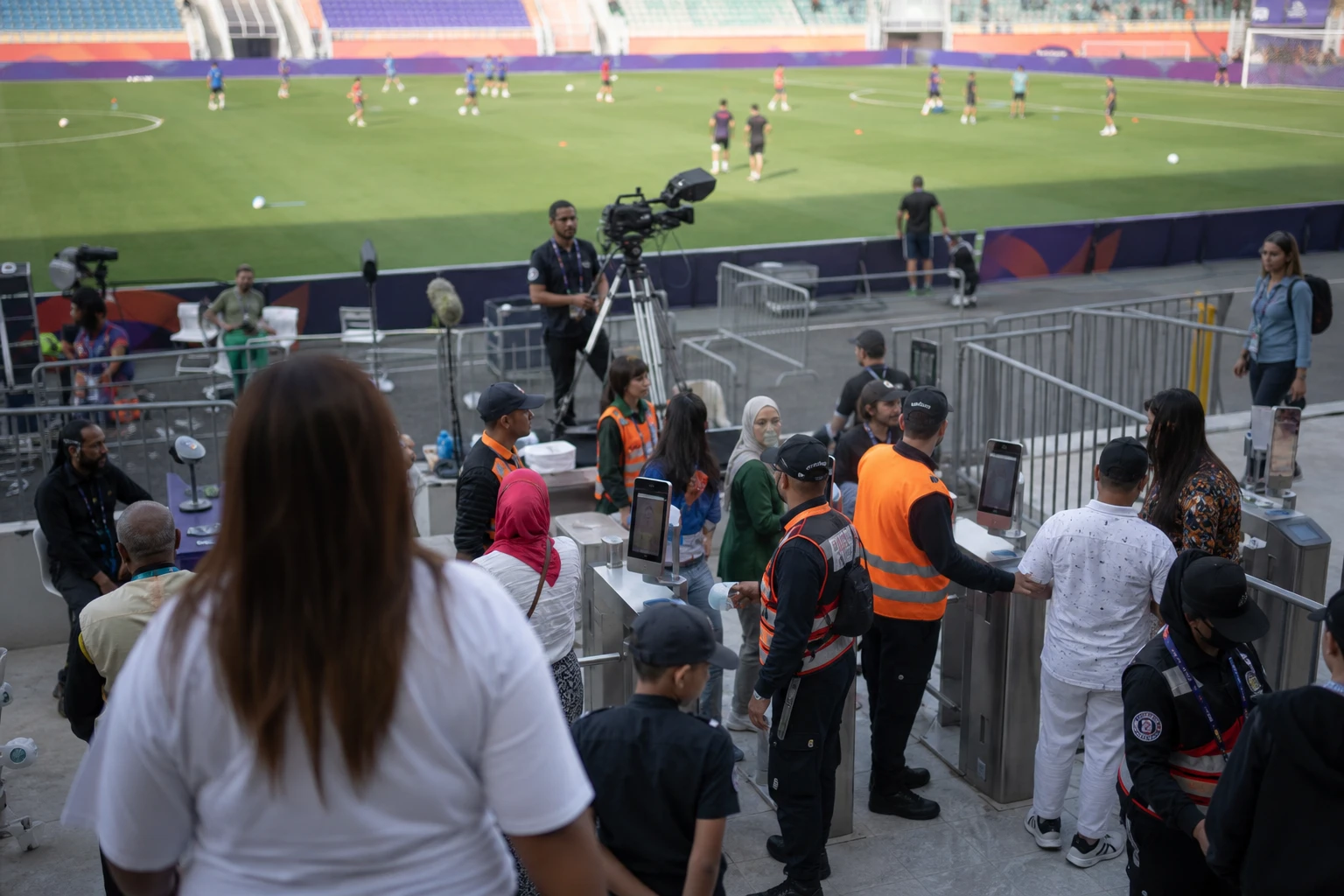
Group A already tense in Rabat
In a short group stage, every goal can change everything. At the 2026 Women’s Africa Cup of Nations, Group A quickly took a decisive turn in Rabat, where Morocco, Algeria, Senegal and Kenya already have a great deal at stake on matchday two. The competition runs from 25 July to 16 August 2026, with the opening match in the Moroccan capital and the final also scheduled to take place in Rabat.
The draw placed the four teams in one of the tournament’s most closely watched groups. Hosts Morocco are playing at home. Algeria have confirmed their return to the continental scene. Senegal are looking to take a step forward. Kenya, meanwhile, are back on the continental stage after a long absence, giving the group particular significance for North, West and East Africa.
Two matches, two contests
This Thursday, 30 July, Group A’s schedule begins with Algeria v Senegal at Rabat Olympic Stadium at 18:00 local time, followed by Morocco v Kenya at 21:00 at Moulay El Hassan Stadium. The CAF confirmed the schedule in its official fixture list.
The stakes in these matches are clear: avoid coming under pressure before the third matchday. Algeria opened their tournament against Senegal. Morocco began their campaign against Kenya. In a format where only the top two teams in each group qualify directly, every point counts double as the matchdays go by.
Morocco go into their second outing with the psychological advantage of being the host nation. The Atlas Lionesses have strong support and have already established their playing patterns in the tournament. Kenya, for their part, are returning to the highest level of African football after ten years away from the finals, a factor that matters both in managing difficult spells and in their qualification ambitions.
What the opening results tell us
The opening matches have established a provisional pecking order. Morocco beat Kenya 4-0 in their opening game, with goals from Sakina Ouzraoui and Meriem Atiq, and a brace from Ibtissam Jraidi. In the other opening fixture, Algeria beat Senegal 2-0 thanks to a Marine Dafeur penalty just before half-time and a late goal from Mélissa Bethi.
These scores tell the story of more than two wins. They also point to two different trends. Morocco showed they could impose their tempo from the outset. Algeria, meanwhile, displayed defensive discipline that is valuable in a tournament where tactical organisation often makes the difference. For Senegal and Kenya, by contrast, there is already no room for error.
The schedule offers little help to teams that have made a poor start. In a compact group, with direct clashes between close rivals in the standings, another defeat could end Senegal’s or Kenya’s hopes very early. Conversely, another win for Morocco or Algeria would bring them almost immediately within reach of the quarter-finals.
Sporting and institutional stakes
The 2026 edition features 16 teams and confirms the growing strength of women’s football across the continent. CAF has described the tournament as its flagship women’s competition, with a condensed format and a showcase in Morocco for the third consecutive edition held in the kingdom. Across Africa, the choice of Rabat also reflects the growing role of Moroccan infrastructure in hosting major competitions.
For the teams in Group A, the stakes go beyond the day’s result. Qualifying early makes it easier to manage injuries, fatigue and media pressure. It also provides valuable time to prepare for the knockout stage, where the intensity rises another notch. A slip-up, by contrast, forces teams to chase the score and leaves them more exposed to quick transitions and lapses in concentration.
The situation differs from one country to another. For Morocco, a successful run would further reinforce the view that women’s football is now firmly established among Africa’s leading sides. For Algeria, the tournament is an opportunity to confirm the progress made in recent editions. Senegal need to turn recognised potential into consistent results. For Kenya, finally, this Women’s Africa Cup of Nations marks a long-awaited return to the continental stage and an opportunity to gauge the true depth of their women’s football project.
A group to watch beyond 30 July
Group A already brings together several defining trends in African football today: host countries taking on major tournaments, the return of teams that have long been absent, and the search for a clearer balance between North, West and East Africa. In Rabat, this first round says a great deal about the geography of African women’s football in 2026.
The rest of the tournament will therefore depend less on talk than on the teams’ ability to make the most of their strong spells. Morocco want to confirm their status at home. Algeria want to build on their solidity. Senegal need to rediscover their cutting edge. Kenya must prove that their return is more than symbolic. At this stage, Group A has yet to deliver its verdict. It has merely revealed the fragile balance underpinning the race for the quarter-finals.