Egypt
 Libya
 Morocco
 Sudan
 Tunisia
 Benin
 Burkina Faso
 Cabo Verde
 Côte d'Ivoire
 Ghana
 Guinea
 Guinea-Bissau
 Liberia
 Mali
 Mauritania
 Niger
 Nigeria
 Senegal
 Sierra Leone
 The Gambia
 Togo
 Cameroon
 Central African Republic
 Chad
 DR Congo
 Equatorial Guinea
 Gabon
 Republic of the Congo
 São Tomé and Príncipe
 Burundi
 Comoros
 Djibouti
 Eritrea
 Ethiopia
 Kenya
 Madagascar
 Malawi
 Mauritius
 Mozambique
 Rwanda
 Seychelles
 Somalia
 South Sudan
 Tanzania
 Uganda
 Angola
 Botswana
 Eswatini
 Lesotho
 Namibia
 South Africa
 Zambia
 Zimbabwe
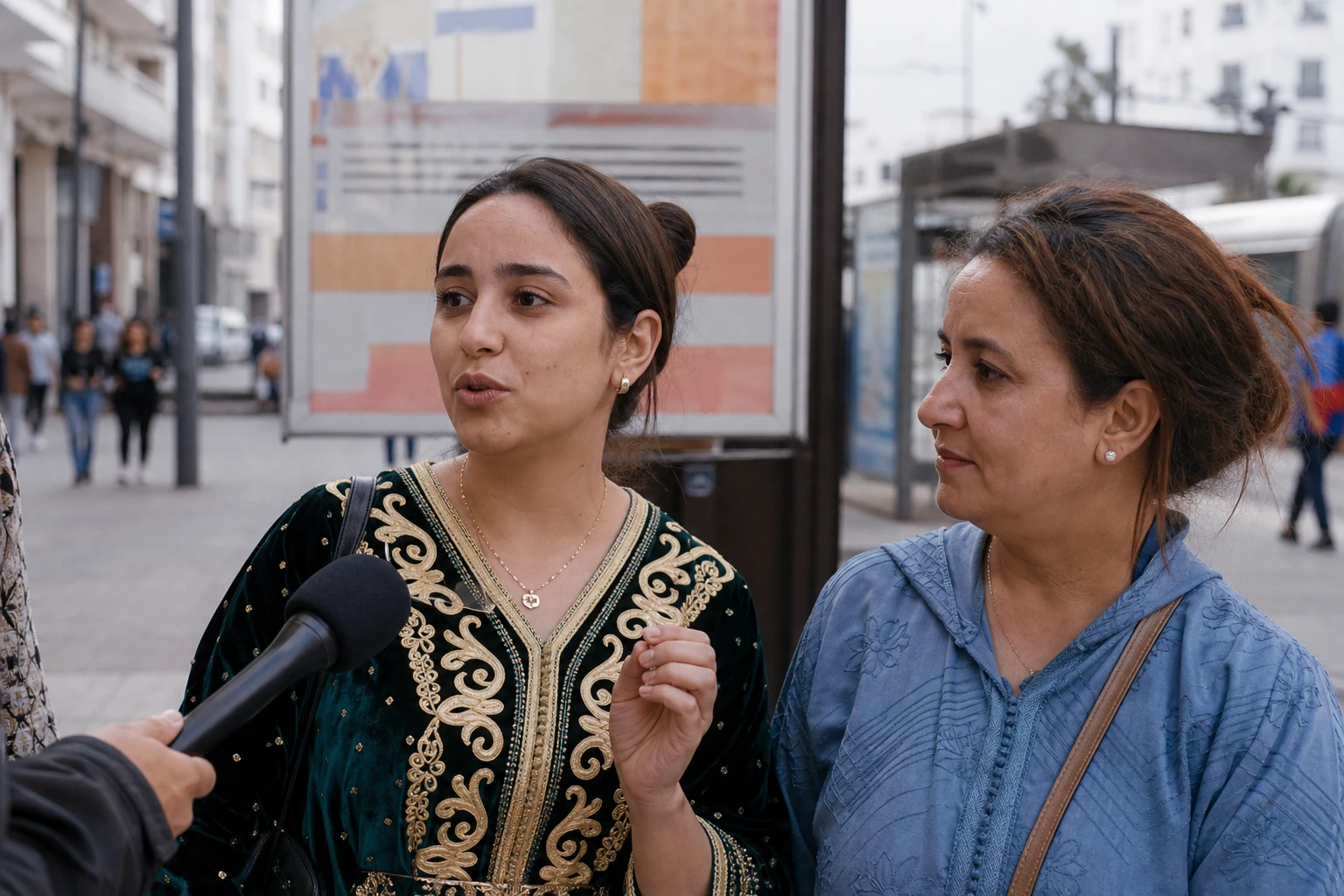
In Paris, an exhibition devoted to Algerian, Moroccan and Tunisian weddings shifts the focus. The bride does not appear simply as a ceremonial figure. She becomes the entry point to a history shaped by textiles, jewellery, gestures, family memories and contemporary creations.
From 29 September 2026 to 28 February 2027, the Institut du monde arabe is presenting the exhibition “Vive la mariée!”. The exhibition brings together heritage pieces from Algeria, Morocco and Tunisia, as well as works by 27 contemporary artists from the Maghreb and its diasporas.
Three countries, shared rites and distinct identities
Marriage occupies a central place in the social life of many Maghrebi families. It is not limited to the official ceremony. It brings relatives together, enables traditions to be passed on and makes visible forms of expertise often upheld by women.
Even so, Algeria, Morocco and Tunisia do not form a uniform cultural space. Clothing, jewellery, songs and the schedule of celebrations vary according to region, social background and family history.
In Algeria, festive outfits can vary from one city to another. The Algiers karakou, the embroidered dresses of the west and clothes associated with Kabyle regions all bear witness to this diversity. Youyous, also known as zagharit, still accompany many celebrations, even when the reception is held in a modern venue.
In Morocco, the caftan remains an iconic wedding garment. The negafa, or mistress of ceremonies, often oversees changes of outfit and the presentation of the bride. In some regions, the amariya, carried by relatives, places the couple at the heart of a collective spectacle.
In Tunisia, wedding proceedings may include the saboun, devoted to preparing the trousseau; Hazen el-Farch, linked to setting up the bride’s belongings; or the outia, a presentation before the main celebration. Here too, practices differ between Tunis, the Sahel, the south and other areas.
These examples do not sum up the societies concerned. Rather, they show how each local community combines a shared heritage with multiple influences and contemporary choices.
From inherited objects to works that examine the present
The Paris exhibition places a selection of 19th– and 20th-century costumes and jewellery alongside contemporary artistic works. Visitors will see embroidery, jewellery, accessories, photographs, paintings, videos, installations and archives.
According to the Institut du monde arabe, some of the heritage pieces are being shown in France for the first time. They come from Moroccan, Algerian and Tunisian collections. Their presence is a reminder that wedding heritage is not merely about spectacular appearances. It also rests on precise techniques and hours of work.
Embroidery, passementerie, weaving and silverwork are forms of knowledge. These skills are often passed down from one generation to the next. They connect craftsmanship, the family economy and the memory of places.
The dialogue with 27 contemporary artists, however, opens up another perspective. The works do not simply celebrate traditions. They also examine social expectations, gender relations, changes in the family and the place of memory in Maghrebi communities.
Most of the artists featured are women. This choice gives greater visibility to experiences long recounted from the outside. The bride is no longer merely observed. She becomes a subject who can be interpreted, represented and sometimes challenged by those who live with these inheritances.
Between family traditions and new ways of celebrating
Weddings are changing in all three countries. Ceremonies may remain long and heavily codified. They may also be pared back to a few key moments, particularly to limit expenses or meet the demands of work and urban life.
The cost of celebrations weighs on families. Clothing, venues, decorations, photography, music and meals can require substantial budgets. In major cities, some couples therefore opt for simpler formats. Others retain the essential rites but organise them over a shorter period.
This change does not mean that traditions are disappearing. Rather, it reflects a process of selection. A family may keep an old outfit, a song or a trousseau ceremony while dispensing with other parts of the proceedings. Heritage is then transformed through use, not only preserved in museums.
The contrast between capitals and regions also merits attention. In Algiers, Rabat, Casablanca and Tunis, specialised suppliers and event venues encourage standardised celebrations. In smaller cities and rural areas, neighbourhood ties and local expertise may retain greater influence.
In both cases, social media accelerates the spread of styles. A dress, decoration or choreography can travel from one country to another in a matter of days. This circulation creates new points of reference, but it can also make practices that were once highly localised more uniform.
Maghrebi heritage viewed from several shores
Presenting these traditions in Paris gives the exhibition particular significance. The Institut du monde arabe is situated at the heart of a large and diverse Maghrebi diaspora. For its members, the objects on display may evoke family history, a place of origin or a ceremony they have experienced.
The exhibition is also part of the 2026 Mediterranean Season, a cultural programme taking place in France and several countries around the Mediterranean. This context broadens the discussion beyond heritage nostalgia alone.
Marriage thus becomes a way of observing societies. It shows what families wish to preserve, what they adapt and what they leave behind. It also reveals exchanges between Maghreb countries, their diasporas and international art scenes.
Events planned alongside the exhibition will extend this reflection through discussions, workshops and musical offerings. The aim will not simply be to admire costumes. It will be to understand how old gestures continue to carry meaning in societies changing rapidly.
Between heritage and creation, the exhibition is ultimately a reminder of a simple truth: heritage is not fixed. It is worn, passed on, debated and reinvented. In Algerian, Moroccan and Tunisian weddings, this transformation can be read directly in the fabrics, the jewellery and the stories of those who keep them alive.