Algeria
 Egypt
 Libya
 Morocco
 Sudan
 Tunisia
 Benin
 Burkina Faso
 Cabo Verde
 Côte d'Ivoire
 Ghana
 Guinea
 Guinea-Bissau
 Liberia
 Mali
 Mauritania
 Nigeria
 Senegal
 Sierra Leone
 The Gambia
 Togo
 Cameroon
 Central African Republic
 Chad
 DR Congo
 Equatorial Guinea
 Gabon
 Republic of the Congo
 São Tomé and Príncipe
 Burundi
 Comoros
 Djibouti
 Eritrea
 Ethiopia
 Kenya
 Madagascar
 Malawi
 Mauritius
 Mozambique
 Rwanda
 Seychelles
 Somalia
 South Sudan
 Tanzania
 Uganda
 Angola
 Botswana
 Eswatini
 Lesotho
 Namibia
 South Africa
 Zambia
 Zimbabwe
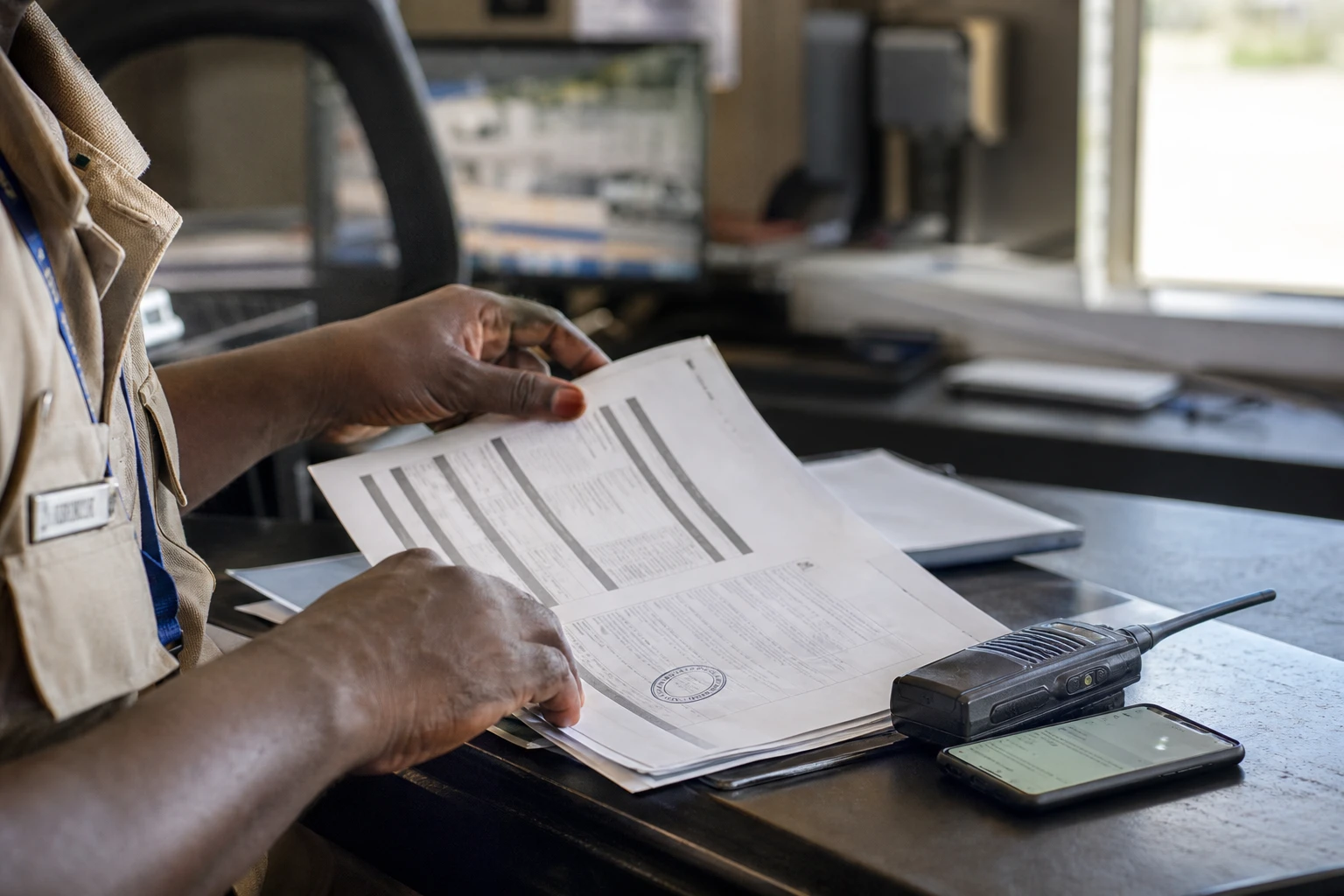
Niamey on edge around a strategic hub
In a capital city, the sound of gunfire does more than frighten people. It immediately raises questions about the state’s ability to secure its key sites, starting with the airport and the Plateau district, where Niger’s central institutions are concentrated.
In Niamey, the night of Friday 28 to Saturday 29 August 2026 brought back a still-fresh memory. Gunfire and explosions heard in several parts of the city once again reached the airport area, close to the centre of power. Until the authorities issue a statement, the episode should be interpreted with caution. But its location already says much about what is at stake.
What happened, and what remains to be confirmed
According to the first corroborated reports, the explosions began around midnight. Residents reported heavy gunfire in the area of Diori Hamani International Airport, as well as towards the Plateau, an administrative and residential district that is home to the presidential palace and several institutional headquarters. Troop movements were observed, with soldiers sealing off some areas.
At the time of writing, no official statement has established the origin of the gunfire or its precise purpose. That is the key point. In such a sensitive context, the facts — gunfire heard, security positions reinforced and districts sealed off — must be distinguished from interpretation. At this stage, the identity of those responsible remains publicly unknown.
Yet this latest episode has taken place in an area that has already been tested. In June 2026, Niamey airport was targeted in an attack that was repelled, according to the Nigerien Press Agency, which reported gunfire and explosions at the entrance to the airport, followed by a return to normal air operations. In January 2026, another attack targeted Air Base 101, located in the same strategic area of the capital, very close to the airport. The African Press Agency then reported a return to calm after gunfire and powerful explosions.
Why this area matters so much
Diori Hamani Airport is not simply an entry point for travellers. It is a military, logistical and diplomatic hub. Defence facilities, foreign partners operating in Niger and installations used for security coordination are located around it. In other words, striking this area amounts to testing the protection of the institutional heart of Niamey.
The Plateau district adds another dimension. The presidential palace, key government departments and several sensitive sites in the capital are concentrated there. When gunfire is reported in this area, the implications go beyond the question of an armed incursion. They become political, because they affect perceptions of the state’s control over urban space.
For residents, the impact is immediate. The night gives way to uncertainty. Roads close, travel stops and rumours spread faster than confirmation. For the security forces, the challenge is the opposite: to contain, verify and seal off the area, while preventing a localised incident from turning into a crisis of confidence. In a capital already exposed to jihadist threats from several fronts, managing information becomes almost as important as the armed response.
An already fraught security climate in Niger
Niger has faced multiple forms of violence for years. In the west, groups linked to al-Qaeda and Islamic State remain active in areas near the borders with Mali and Burkina Faso. In the east, armed groups continue to exert strong pressure in the Lake Chad Basin. The country is therefore trying to protect both its borders and its capital.
Since the July 2023 coup, Niamey has also seen its alliances shift. Niger now belongs to the Confederation of Sahel States, alongside Burkina Faso and Mali, following its break with ECOWAS, the Economic Community of West African States, which long served as a regional forum for dialogue and political pressure. This shift has changed the country’s security and diplomatic partnerships without eliminating the threat on the ground. The capital remains a symbolic as well as an operational target.
This also matters to the population. In the capital, the economy depends heavily on services, transport, government departments and informal trade. An episode of gunfire does more than disrupt security. It hinders travel, slows activity at night, freezes commerce and heightens the sense of vulnerability among residents of neighbouring districts. In a city where balances are fragile, a few hours of panic can have lasting effects.
What to watch now
The current sequence will mainly reveal three things. First, whether the Nigerien authorities quickly publish a clear and verifiable account of events. Second, whether arrests, claims of responsibility or casualty figures clarify the true scale of the incident. Finally, whether repeated attacks or attempts around Niamey airport confirm a strategy of pressure on the capital’s most sensitive infrastructure.
At the regional level, the episode is a reminder of a broader trend in the Sahel: armed groups are seeking not only to occupy territory but also to strike symbols. Airports, air bases, presidential palaces and administrative crossroads. These places all point to the same struggle: over control, messaging and the resilience of the state.
For Niger, the stakes therefore go beyond one troubled night. They concern the credibility of the security chain, the trust of Niamey’s residents and how regional partners will interpret the situation. In the Sahel, where political borders do not always prevent the movement of armed groups, each incident of this kind quickly extends beyond Niger’s capital. It becomes a signal to all of West Africa.