Algeria
 Egypt
 Libya
 Morocco
 Sudan
 Tunisia
 Benin
 Burkina Faso
 Cabo Verde
 Côte d'Ivoire
 Ghana
 Guinea
 Guinea-Bissau
 Liberia
 Mali
 Mauritania
 Nigeria
 Senegal
 Sierra Leone
 The Gambia
 Togo
 Cameroon
 Central African Republic
 Chad
 DR Congo
 Equatorial Guinea
 Gabon
 Republic of the Congo
 São Tomé and Príncipe
 Burundi
 Comoros
 Djibouti
 Eritrea
 Ethiopia
 Kenya
 Madagascar
 Malawi
 Mauritius
 Mozambique
 Rwanda
 Seychelles
 Somalia
 South Sudan
 Tanzania
 Uganda
 Angola
 Botswana
 Eswatini
 Lesotho
 Namibia
 South Africa
 Zambia
 Zimbabwe
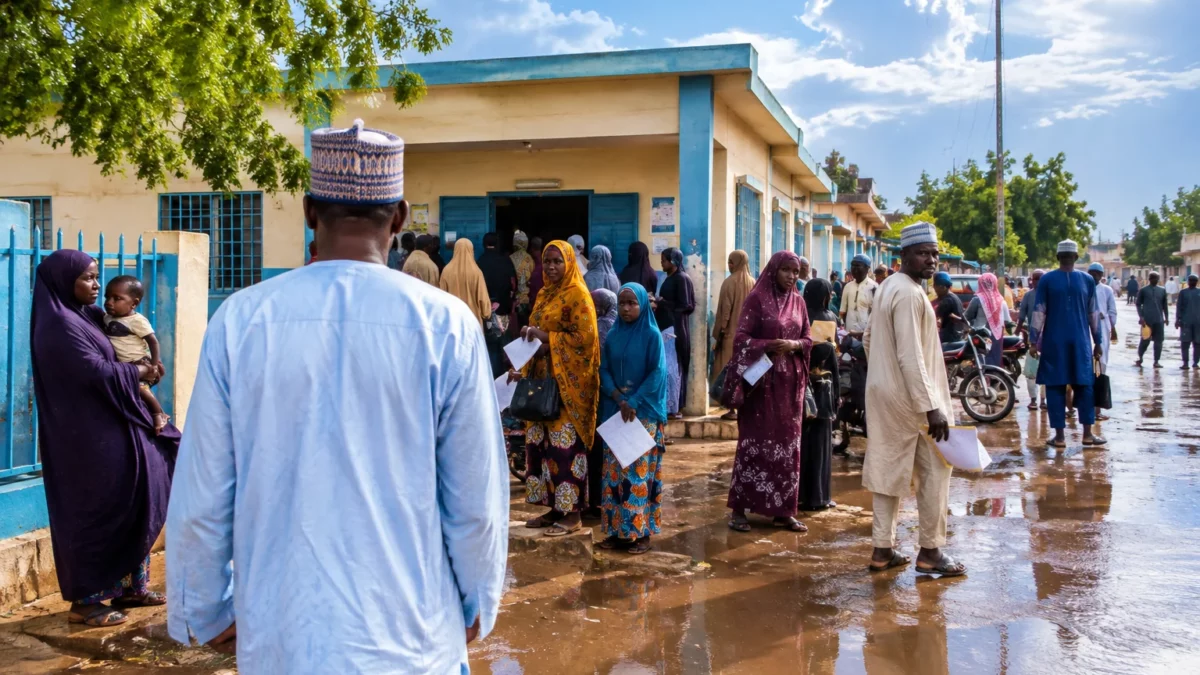
In Diffa, a decision presented as a security measure could upend the lives of families who have been settled there for decades. For Niger’s Mahamid, the issue now goes beyond paperwork: it also concerns access to water, schooling and healthcare, as well as the right to remain in the country.
In Diffa, a decision whose terms remain unclear
On 14 November 2026, in Chetimari, the prefect of Diffa conveyed instructions from the national authorities to representatives of the Mohamid Arab community. The Nigerien News Agency reports that they were given two months to leave the country. Another date has circulated in the press: 31 December 2026. So far, no written expulsion order has been made public, and the precise scope of the decision remains to be established.
The Chetimari meeting forms part of a sequence that began several months earlier. On 22 August, Diffa’s Regional Security Council examined concerns involving some members of the community. The authorities accuse them, among other things, of irregular stays, allegedly fraudulent civil-status documents, possession of weapons and alleged links to armed groups in the Lake Chad basin. These are allegations concerning suspected acts; they do not establish collective responsibility.
Diffa governor Mahamadou Ibrahim Bagadoma had warned against extending concerns about specific cases to the entire community, according to an account by the Nigerien News Agency reported by Al Jazeera. This distinction is crucial: combating trafficking and armed groups is a matter of public security, but it is not enough to establish anyone’s guilt on the basis of their community membership.
On 7 October, a message attributed to the Interior Ministry reportedly asked the governors of Diffa and Zinder to close schools and health centres attended by the Mahamid, suspend the issuance of civil-status documents and withdraw some documents already issued. The document has not been independently authenticated. The African Commission on Human and Peoples’ Rights has, however, reported restrictions on access to water, education, healthcare and identity documents.
A community caught up in tensions in the Lake Chad basin
Diffa region, in south-eastern Niger, lies at the crossroads of Chad and Nigeria, in the Lake Chad basin. Cross-border movement has a long history there. Mahamid families arrived from Chad and Sudan at different times, particularly from the 1970s onwards. Their journeys, family ties and administrative status are not necessarily the same. A community’s migration history therefore cannot determine the status of each individual.
The area also faces security challenges and tensions over land, grazing and water points. Agriculture and livestock farming support populations with different ways of life, while armed groups active around Lake Chad complicate movement and local governance. These pressures help explain the authorities’ concerns. On their own, they do not justify indiscriminate restrictions affecting an entire community.
The precedent set in 2006 is a reminder that this is not a new issue. Under President Mamadou Tandja, Niger announced the expulsion of Arabs living in the Diffa region, before suspending the plan following protests and negotiations. The 2006 human rights report on Niger says the authorities then abandoned the operation. The dispute already concerned nationality, access to land and wells, and grazing rights.
The practical effects of the alleged restrictions
For the families concerned, closing a school or a water point is not an abstract administrative measure. It can keep children from education and make daily access to water more difficult. If identity documents are withdrawn or their issuance is suspended, school, healthcare and civil-status procedures may also become harder. The consequences would depend on how the instructions are actually implemented and whether accessible alternatives are available to everyone.
The situation also affects other residents of Diffa. A measure targeting certain services or water points can heighten tensions if it is perceived as collective exclusion. At the same time, the authorities face security concerns and possible challenges to the validity of documents. Individual checks and procedures that allow those concerned to respond to the allegations are therefore essential to distinguish established responsibility from suspicion.
On 6 November, three officials from the African Commission on Human and Peoples’ Rights sent an urgent appeal to President Abdourahamane Tiani. The Commission refers to alleged violations and seeks clarification about the reported restrictions. This appeal is not a ruling establishing that a violation has occurred. It nevertheless signals that the effects of these measures are now being examined by an African Union body mandated to promote and protect human rights across the continent.
What happens next will depend on official action
Two points remain unclear: the exact deadline and the people to whom it applies. Niger’s official account of 14 November refers to two months, while other reports mention 31 December 2026. Without an accessible written decision, it is impossible to confirm the legal basis, the arrangements for any departure or the avenues of appeal open to those affected.
For Niger, the challenge is to address security risks without conflating alleged individual acts with the identity of a population. For Diffa’s residents, the issue plays out in daily life: access to services, recognition of documents and coexistence between communities. The authorities’ response to the African Commission’s appeal, along with any publication of a formal decision, will help determine the true scope of this case in a region where borders and social ties have long crossed national boundaries.