Algeria
 Egypt
 Libya
 Morocco
 Sudan
 Tunisia
 Benin
 Burkina Faso
 Cabo Verde
 Côte d'Ivoire
 Ghana
 Guinea
 Guinea-Bissau
 Liberia
 Mali
 Mauritania
 Nigeria
 Senegal
 Sierra Leone
 The Gambia
 Togo
 Cameroon
 Central African Republic
 Chad
 DR Congo
 Equatorial Guinea
 Gabon
 Republic of the Congo
 São Tomé and Príncipe
 Burundi
 Comoros
 Djibouti
 Eritrea
 Ethiopia
 Kenya
 Madagascar
 Malawi
 Mauritius
 Mozambique
 Rwanda
 Seychelles
 Somalia
 South Sudan
 Tanzania
 Uganda
 Angola
 Botswana
 Eswatini
 Lesotho
 Namibia
 South Africa
 Zambia
 Zimbabwe
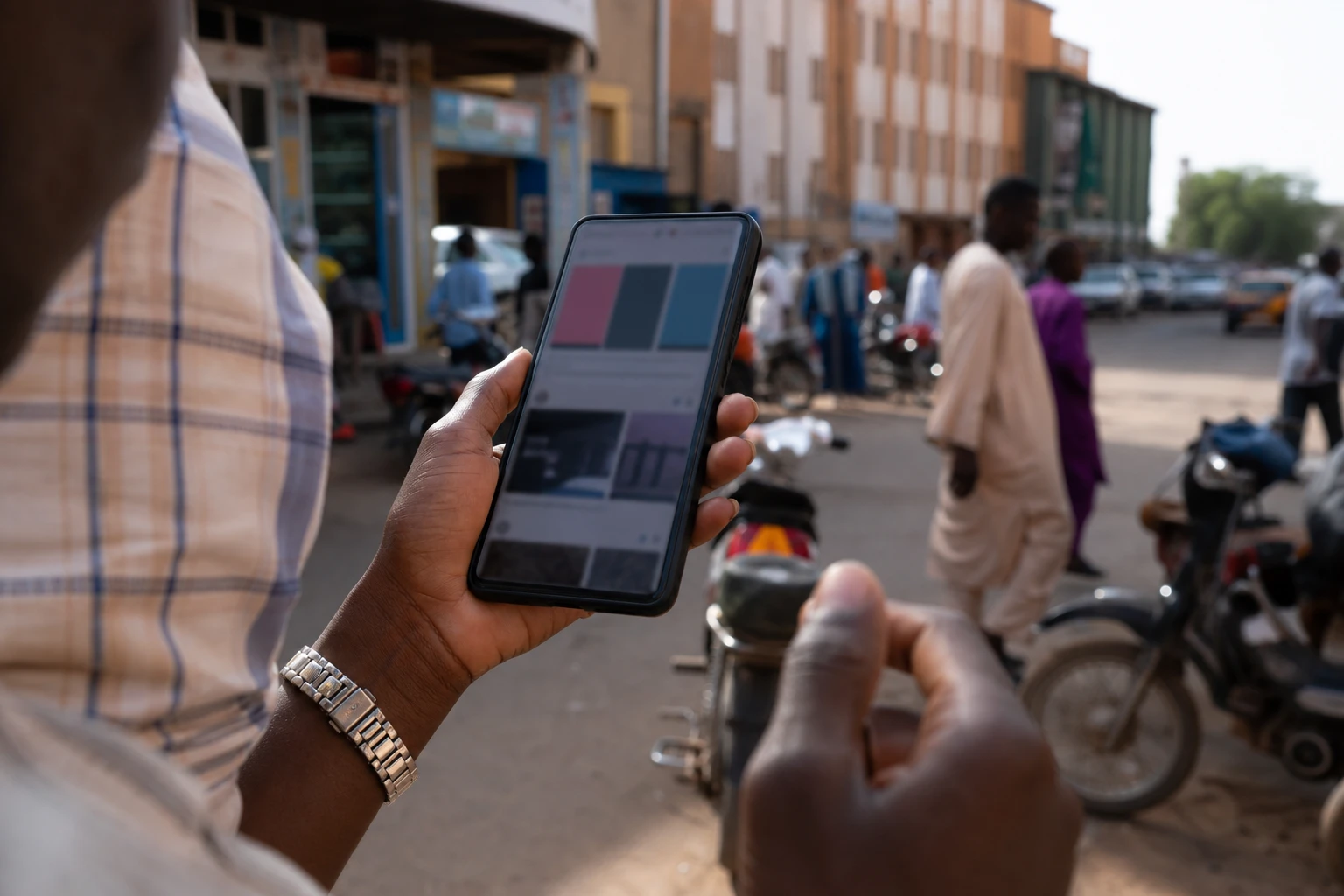
In Niamey, silence over a journalist already says something about the current climate
In Niger, a lack of information can become a matter of state. When a well-known journalist disappears after leaving his office in Niamey, the issue quickly goes beyond the fate of one individual. It touches on people’s safety, press freedom and the authorities’ ability to respond publicly to a legitimate concern.
Moussa Kaka, director-general of the Radio Télévision Saraounia group, has not been heard from since 31 August, after leaving his workplace at the end of the day to go home. Reporters Without Borders says he never arrived at his destination and that neither his relatives nor his colleagues have been able to contact him since.
An apparent news story, but a political signal in reality
Niger has been going through a period of political and security tension for several months. In early September, rumours spread through the capital, followed by confirmation of a foiled mutiny attempt, as the military authorities led by General Abdourahamane Tiani sought to consolidate their control after the 2023 coup. In this climate, the disappearance of a well-known media figure takes on broader significance.
Press freedom organisations do not speak of a disappearance lightly. RSF has called for an investigation to locate Moussa Kaka and establish the circumstances of his disappearance. The Pan-African Union of Journalists (UJPLA) has also called for him to be located and released, placing his case within the broader context of pressure on media professionals in Niger.
Moussa Kaka’s name is not new to the history of strained relations between power and information in Niger. In 2007, he was arrested and charged over alleged links to the Tuareg rebellion, before spending more than a year in detention. This past partly explains why his current absence has immediately raised alarm among rights and press freedom advocates.
What this case says about the Nigerien press
The question is not only where Moussa Kaka is. It is also what space remains open to independent media in a country where several journalists have already been arrested or prosecuted in 2025 and 2026 over cases involving cybercrime or the dissemination of information deemed sensitive. RSF cites arrests and detentions of media professionals in Niamey.
In this context, official silence matters as much as the known facts. When an authority says nothing about a journalist’s fate, it fuels suspicion, erodes public trust and exposes the country to international criticism over its respect for basic safeguards. For Nigerien newsrooms, especially those operating in Niamey, the stakes are tangible: continuing to report without being exposed to ill-defined risks.
Alioune Tine, of the African think tank Afrikajom Center, has publicly called on President Tiani and his government to provide concrete information about the journalist’s situation. His intervention is a reminder of an essential point: in the Sahel, the question of civil liberties is not decided only in constitutions or communiqués, but in states’ ability to respond clearly when a citizen, and especially a journalist, disappears.
A Nigerien case, but a regional test for the Sahel
Niger is not insulated from the upheavals currently affecting several Sahelian countries. The region has seen military transitions, restrictions on civic space and tensions between national security and fundamental freedoms pile up. In this landscape, every case of a missing journalist becomes a regional indicator, watched far beyond Niamey.
The continental significance is clear. If a media figure as well known as Moussa Kaka can disappear without an immediate public explanation, the message sent to newsrooms, rights advocates and African institutions monitoring press freedom is stark. Conversely, a swift, transparent and documented investigation would say something about the true state of the rule of law in Niger.
For now, the available facts amount to a simple finding: a Nigerien journalist has been missing since 31 August, no clear public statement has yet dispelled the doubts, and several African voices are calling for the truth to be established quickly. In a country where Niamey concentrates political power, the media and the tensions of the moment, the Moussa Kaka case has become a test of the authorities’ credibility.