Algeria
 Egypt
 Libya
 Sudan
 Tunisia
 Benin
 Burkina Faso
 Cabo Verde
 Côte d'Ivoire
 Ghana
 Guinea
 Guinea-Bissau
 Liberia
 Mali
 Mauritania
 Niger
 Nigeria
 Senegal
 Sierra Leone
 The Gambia
 Togo
 Cameroon
 Central African Republic
 Chad
 DR Congo
 Equatorial Guinea
 Gabon
 Republic of the Congo
 São Tomé and Príncipe
 Burundi
 Comoros
 Djibouti
 Eritrea
 Ethiopia
 Kenya
 Madagascar
 Malawi
 Mauritius
 Mozambique
 Rwanda
 Seychelles
 Somalia
 South Sudan
 Tanzania
 Uganda
 Angola
 Botswana
 Eswatini
 Lesotho
 Namibia
 South Africa
 Zambia
 Zimbabwe
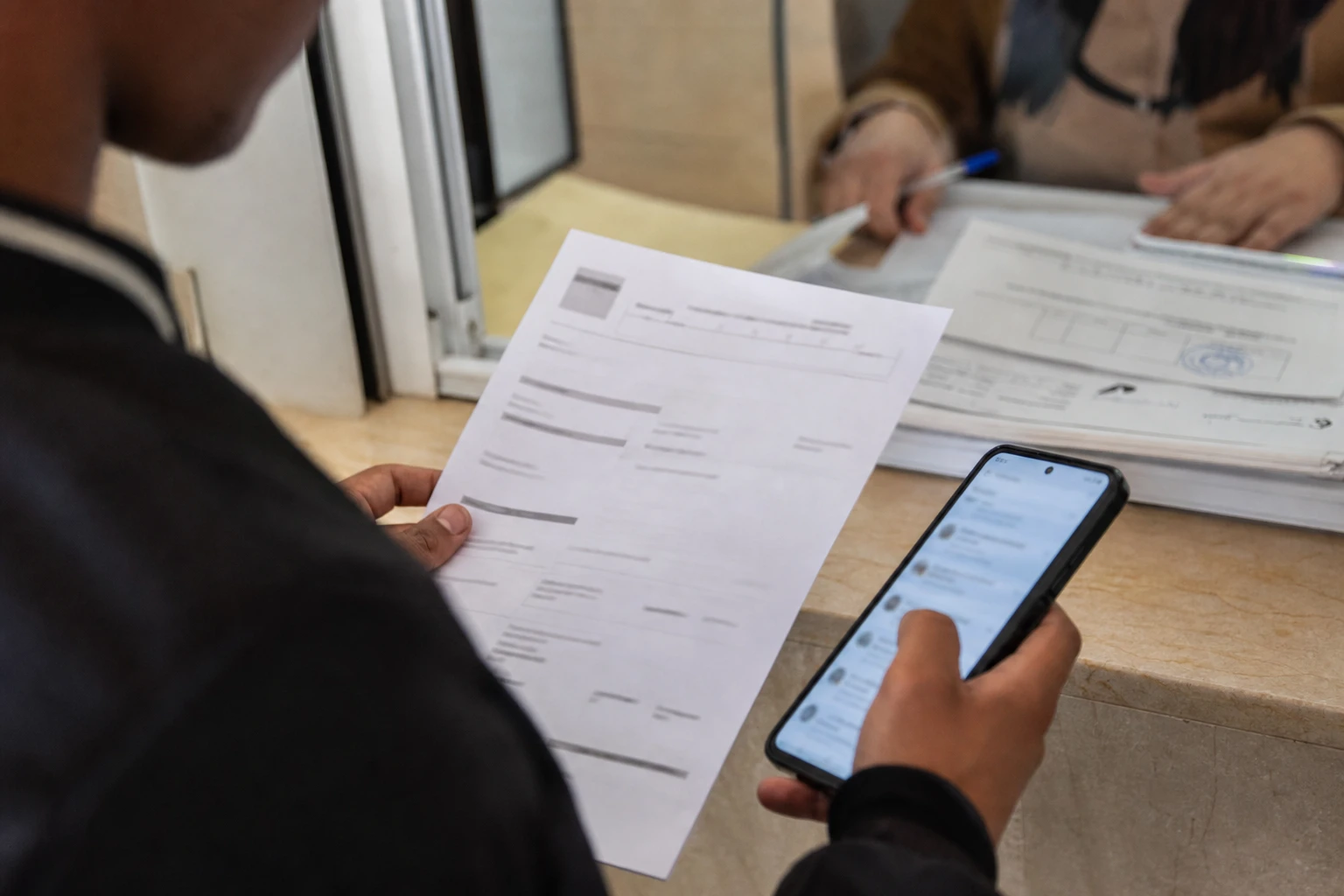
A large youth population, a labour market too narrow
In Morocco, public debate is no longer confined to job creation. It also concerns the quality of jobs, access to them and their distribution between cities and rural areas. When an educated generation remains on the sidelines, frustration goes beyond the statistics. It ultimately erodes trust in the state, in schools and in the future.
The country has reached this point of tension with a stark figure. In the second quarter of 2025, the High Commission for Planning put the national unemployment rate at 12.8%. Among 15- to 24-year-olds, it stood at 35.8%, well above the national average. In 2025, World Bank estimates based on the ILO still put youth unemployment at around 21.9% according to a harmonised indicator, confirming the lasting fragility of employment for 15- to 24-year-olds, even though the statistical series do not use exactly the same methodology.
This reality is not isolated. It is part of a broader picture in which underemployment, informality and weak links between education and employment continue to weigh on young Moroccans, particularly in working-class neighbourhoods and rural areas. The HCP also notes that, over the same period, unemployment affected women and graduates more heavily.
From a health tragedy to social protest
The turning point in autumn 2025 stemmed from a very concrete issue: access to healthcare. In Agadir, the deaths of several pregnant women at Hassan II Hospital crystallised long-standing anger over the deterioration of public services. Moroccan media reported on these events from late August 2025, before protests gained momentum in several cities.
From 27 September 2025, the GenZ212 collective mobilised thousands of young people to demand more funding for health and education, as well as a genuine effort to tackle corruption. Reuters and Human Rights Watch described a movement that began online and then took to the streets, with rallies in several cities across the Kingdom.
The security response was swift. Human Rights Watch said in October 2025 and then in its 2026 World Report that around 2,100 people had been arrested, at least 1,400 were facing prosecution, including 330 children, and three people had been killed in the crackdown, according to the Moroccan Association for Human Rights. Human rights organisations also denounced arrests they deemed arbitrary and heavy-handed proceedings against protesters.
What the state has announced, and what the streets are still demanding
On the budget front, Rabat has responded. The guidelines for the 2026 draft Finance Bill, presented to the Council of Ministers in Rabat on 19 October 2025, set out increased spending on health and education, with combined funding raised to 140 billion dirhams, as well as more than 27,000 jobs to be created in these two sectors. The same text also stresses the implementation of social protection and the integration of young people and women into the labour market.
The Finance Ministry also highlights the continuation of social assistance for households and targeted measures for youth employment and housing. This marks a change of pace. But the political timing matters as much as the level of funding. For a generation mobilised after preventable deaths and mass arrests, the issue is not simply spending more. It is spending earlier, faster and closer to actual needs.
Morocco is not alone in revising its social priorities under pressure from a generation demanding decent public services. In several African countries, recent protests have focused on the same fault lines: schools, healthcare, the cost of living and access to jobs. In Rabat, the difference lies in the scale of the investments announced ahead of major sporting events, notably the 2025 Africa Cup of Nations and the 2030 World Cup, which have fuelled debate about the balance between international prestige and social needs. Human Rights Watch and international media have highlighted this point in their accounts of the demonstrations.
Ceuta, a reflection of deeper discontent
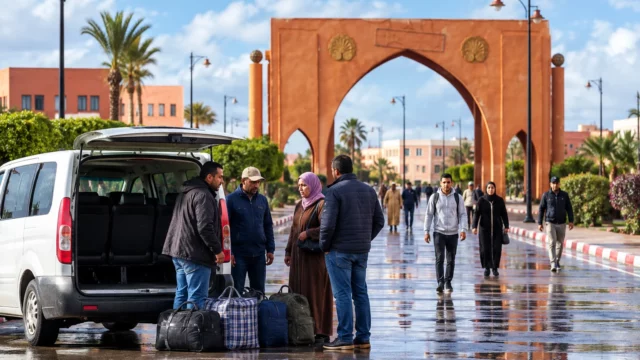
The Ceuta border has also served as a revealing indicator. At the end of July 2026, some 72,000 people reached the Spanish enclave by swimming or crossing the breakwater, in a movement driven by economic hardship and false rumours circulating online that the border was open. The surge prompted renewed checks on the Moroccan side, with security measures stepped up in Ceuta and Melilla in early August, followed by further arrests in mid-August.
The human toll remains a sensitive matter and should be treated with caution. Several press reports have cited dozens of deaths during this mass crossing in 2026, but the precise figures vary between accounts and publication dates. What does not change, however, is the political significance of the movement: when thousands of people take such risks to cross a few kilometres of sea or border, it says something about the pressure building at home.
On this issue, the European Union continues to prioritise stability in its southern neighbourhood, with economic and social support programmes for Morocco. But the most effective approach remains the same on both sides of the border: address the causes of departure rather than manage its consequences. For Morocco, that brings the same question raised by GenZ212: what real place does the public budget give to young people, public schools, local healthcare and formal employment?
In Rabat, the challenge is now clear. It is no longer just a matter of responding to a protest movement or securing a border. Social credibility must be rebuilt. Without that, unemployment figures, street anger and departures for Ceuta will continue to tell the same story: that of a country still struggling to turn its youth into a shared economic force.