
 Algeria
 Egypt
 Libya
 Sudan
 Tunisia
 Benin
 Burkina Faso
 Cabo Verde
 Côte d'Ivoire
 Ghana
 Guinea
 Guinea-Bissau
 Liberia
 Mali
 Mauritania
 Niger
 Nigeria
 Senegal
 Sierra Leone
 The Gambia
 Togo
 Cameroon
 Central African Republic
 Chad
 DR Congo
 Equatorial Guinea
 Gabon
 Republic of the Congo
 São Tomé and Príncipe
 Burundi
 Comoros
 Djibouti
 Eritrea
 Ethiopia
 Kenya
 Madagascar
 Malawi
 Mauritius
 Mozambique
 Rwanda
 Seychelles
 Somalia
 South Sudan
 Tanzania
 Uganda
 Angola
 Botswana
 Eswatini
 Lesotho
 Namibia
 South Africa
 Zambia
 Zimbabwe
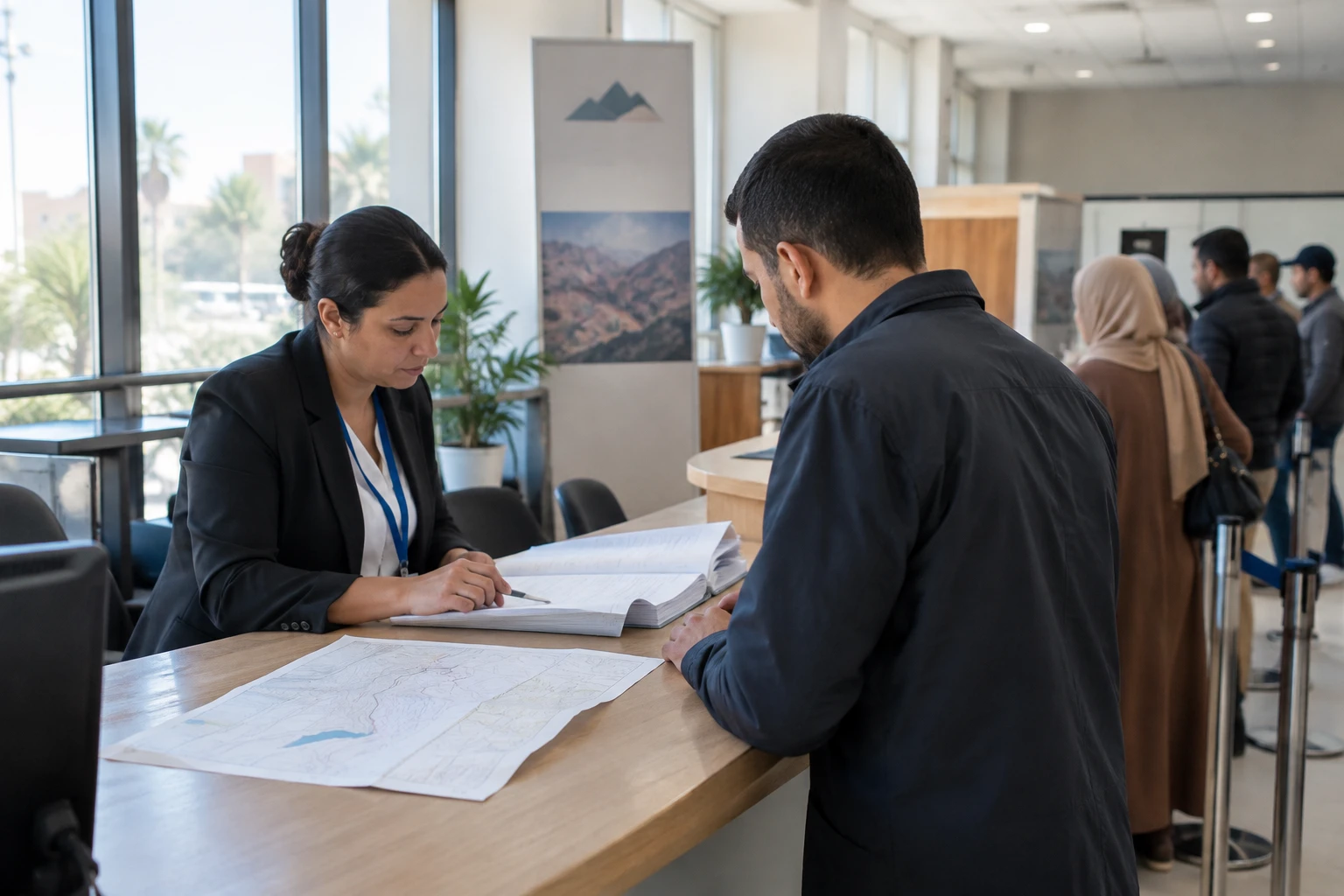
Before searching for gas or oil, it is essential to know where exploration has a chance of success. In Morocco, a new agreement aims to improve understanding of the subsurface. It comes as national gas production remains low and industry relies heavily on external supplies.
Understanding the basins better before attracting capital
On 7 October 2026, Viridien announced a framework agreement with the National Office of Hydrocarbons and Mines (ONHYM). The French company is to work with the Moroccan public body on geophysical data and its analysis. The initiative would cover onshore and offshore sedimentary basins, geological formations where hydrocarbons may be found. Viridien confirmed the agreement in its announcement on 7 October. A Moroccan business media outlet also reported its main details. Details published in Morocco confirm that operational specifics remain limited.
The statement gives neither a list of the basins targeted, nor the area to be covered, the budget or the timetable. It therefore does not yet make it possible to assess the scale of the work. This is a framework for collaboration, not an announcement of a discovery or a confirmed launch of an extraction project.
The so-called “multi-client” model involves acquiring and processing data that can then be marketed to several interested companies. By pooling the cost of collection, this system can reduce each company’s initial expenditure. It does not, however, guarantee the presence of commercially viable resources or a decision to invest in drilling.
ONHYM, led by Amina Benkhadra, is the public agency responsible for hydrocarbon and mineral resources. For Morocco, more detailed data could help present its basins more effectively to investors. But the quality of the information, access to it and the terms of future licences will matter as much as its volume.
A sector to revive, with no promise of rapid production
The limited domestic supply gives the initiative a tangible economic significance. According to Morocco’s Ministry of Energy Transition and Sustainable Development, the country produced 23.18 million cubic metres of natural gas in 2025. Médias24, for its part, reports production of 24 million cubic metres, down from 40 million in 2024. The discrepancy may reflect accounting methods or rounding; both figures indicate a sharp decline. The Moroccan ministry’s data and Médias24’s published assessment put production at a modest level.
This output is not enough to meet the country’s needs. Gas supplies industrial uses in particular, and any decline can weigh on companies connected to the networks concerned. The data agreement, however, will not directly change bills or supply in the short term: exploration comes before drilling, followed by the technical and commercial assessment of any discoveries.
Several projects illustrate the gap between exploration potential and actual production. The offshore Anchois field, led by Chariot, is still awaiting financing to move forward. In the Guercif basin in the north-east of the country, British company Predator Oil & Gas began an exploration well in September 2026. Le Desk reported the start of work in Guercif. These operations remain tests: their results do not predetermine whether exploitation will be profitable.
Any effects would be unevenly distributed. Public authorities and investors would first gain geological information. Industry could benefit in time from a more predictable local supply, but only if discoveries lead to suitable facilities and networks. The areas concerned, meanwhile, would see tangible consequences mainly during field campaigns, drilling and infrastructure development. At this stage, the agreement does not specify either the areas selected or the expected local benefits.
Data cannot replace exploration or the energy debate
Morocco is seeking to balance security of supply with the transformation of its energy system. A better understanding of the subsurface can support exploration, but it does not by itself resolve choices concerning costs, the environment or the role of hydrocarbons in national strategy. The resources under consideration still need to be confirmed, and any exploitation will depend on its economic feasibility and public policy choices.
The agreement’s significance also extends beyond the Moroccan market. In North Africa, energy projects are part of regional exchanges and international partnerships, while political relations between Maghreb countries have long held back deeper economic integration. Morocco is a member of the Arab Maghreb Union, but the existence of this organisation does not mean that regional energy markets operate as an integrated whole.
At continental level, the issue is control over and circulation of geological knowledge. Partnerships with foreign companies can bring expertise and financing. The lasting value of the initiative will also depend on sharing expertise with Moroccan teams and on the ability of national institutions to make use of the data obtained.
The next step, then, will be less a broad announcement than a series of verifiable decisions: which basins will be studied, when work will begin, what data will be produced and on what terms it will be accessible. Until these details are published, the agreement opens a phase of subsurface assessment, not a new era of gas production.



