Algeria
 Egypt
 Libya
 Sudan
 Tunisia
 Benin
 Burkina Faso
 Cabo Verde
 Côte d'Ivoire
 Ghana
 Guinea
 Guinea-Bissau
 Liberia
 Mali
 Mauritania
 Niger
 Nigeria
 Senegal
 Sierra Leone
 The Gambia
 Togo
 Cameroon
 Central African Republic
 Chad
 DR Congo
 Equatorial Guinea
 Gabon
 Republic of the Congo
 São Tomé and Príncipe
 Burundi
 Comoros
 Djibouti
 Eritrea
 Ethiopia
 Kenya
 Madagascar
 Malawi
 Mauritius
 Mozambique
 Rwanda
 Seychelles
 Somalia
 South Sudan
 Tanzania
 Uganda
 Angola
 Botswana
 Eswatini
 Lesotho
 Namibia
 South Africa
 Zambia
 Zimbabwe
A relationship warming, but without dispelling the shadows
In Rabat, Franco-Moroccan diplomacy is moving on two tracks at once. On one hand, the governments are setting out an ambitious roadmap, with around 15 agreements and a pledge to draw up a new bilateral treaty. On the other, the Pegasus affair is a reminder that trust between Paris and Rabat remains fragile, as issues of security, intelligence and digital sovereignty have never disappeared from the picture.
For Morocco, this episode matters far beyond protocol. It touches on relations with a former colonial power, economic interests, security cooperation and the Kingdom’s image on the African and Mediterranean stage. For France, it is also an opportunity to consolidate a key partner in North Africa, as Paris seeks to reshape its alliances in the region.
Rabat and Paris focus on practical priorities
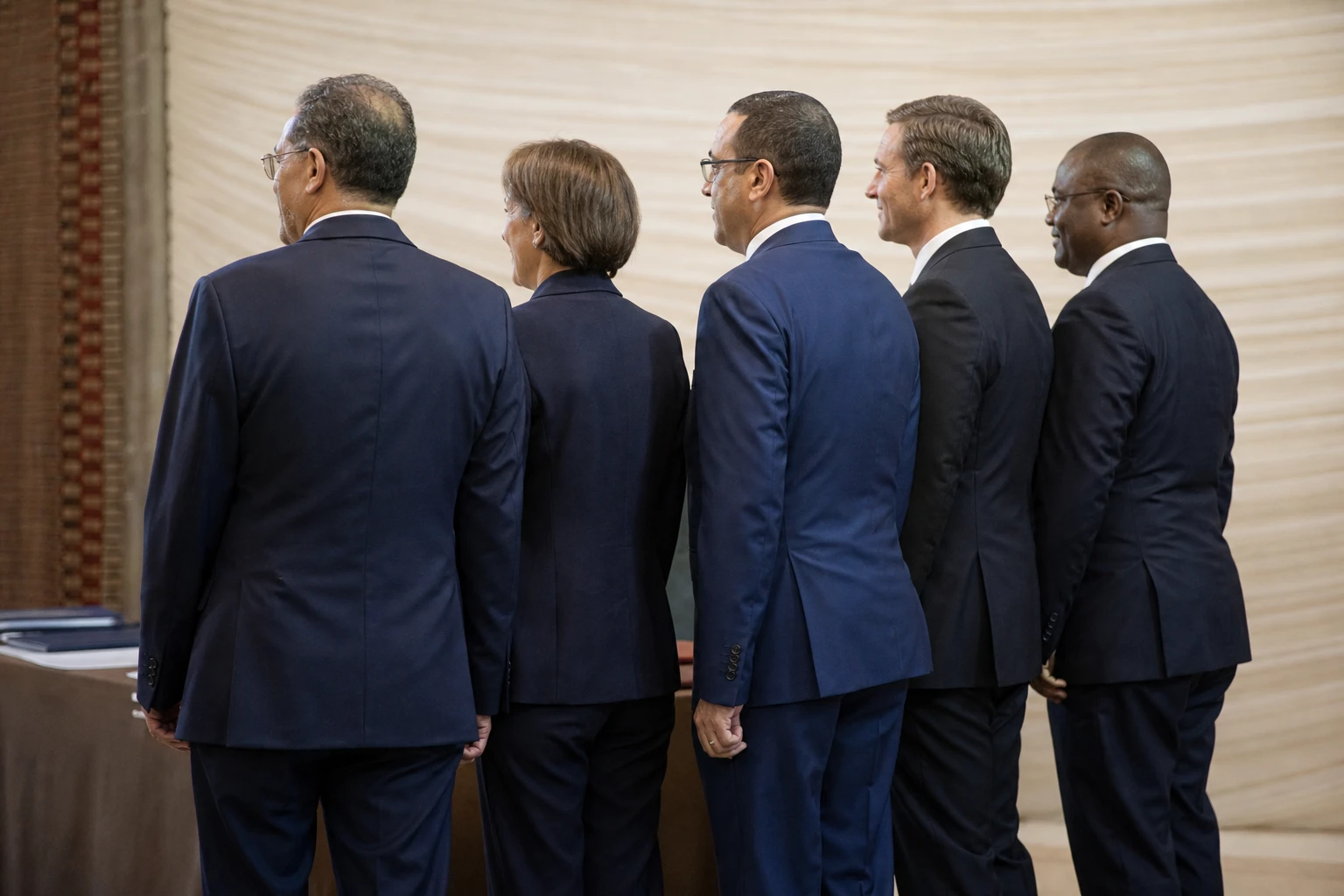
The facts are clear. On 16 July 2026, Rabat hosted the 15th Franco-Moroccan high-level meeting, co-chaired by Moroccan Head of Government Aziz Akhannouch and French Prime Minister Sébastien Lecornu. The French side confirmed that around 20 agreements were being prepared or signed, in sectors including transport, regional planning, decentralised cooperation and the teaching of Arabic in France’s school network in Morocco.
The political calendar gives the meeting added significance. The French foreign ministry said it was part of preparations for a state visit to France by Morocco’s King. On the Moroccan side, official communications stressed that the meeting was being held in Rabat and highlighted the senior level of representation in both delegations.
The agreements show how practical the partnership is. Projects cited by the press and French authorities include a proposed regional express rail network in Rabat, as well as initiatives related to civil aviation, water management, cultural exchanges and training. Cooperation is therefore not limited to grand declarations: it affects mobility, urban planning, schools and public services.
Pegasus remains an unresolved point of friction
But this diplomatic normalisation comes with an issue that has not been laid to rest. Since the Pegasus Project revelations in 2021, Morocco has been accused in several international investigations of using the spyware against journalists, activists and political figures, including French nationals. On 16 July 2026, new press investigations said that matching technical traces had been found on the phones of members of the French government.
Back in 2021, Rabat rejected the accusations, calling them baseless allegations. The debate has nonetheless continued. In France, the judicial investigation opened after the initial revelations is still under way, and the use of surveillance tools by allied states has become an issue of sovereignty as well as domestic security.
This tension helps explain the measured tone adopted by officials from both countries. They want to put cooperation back at the centre of the relationship without allowing the Pegasus affair to define it entirely. But the issue continues to weigh on the credibility of bilateral trust. It is also a reminder that a strategic partnership is not just about contracts or ceremonies: it depends on how disagreements are handled, especially when they concern the security of institutions.
What this means for Moroccans, French residents in Morocco and the region
The effects on the ground will not be the same for everyone. For the Moroccan authorities, this episode raises the Kingdom’s profile as a diplomatic, economic and cultural hub. For businesses, it could open up projects in infrastructure, air transport and education. For families, however, the results will be measured above all by the quality of services, student mobility and the clarity of exchanges between the two countries.
Moroccans living abroad and French residents in Morocco are also affected. Decisions taken in Rabat have implications for schooling, mobility, consular matters and economic flows. In a country where the capital, Rabat, concentrates a significant share of political power, these agreements can have a knock-on effect in Casablanca, Tangier, Fez and Marrakesh, where investment, education and tourism intersect.
At the regional level, the message is also clear. Morocco is seeking to strengthen its position in North Africa and project an image as a stable actor open to partnerships. France, meanwhile, wants to retain a firm foothold on the southern shore of the Mediterranean, in a region where diplomatic and economic competition has intensified. The relationship therefore has implications beyond the two capitals: it affects Maghreb dynamics, security cooperation and connectivity projects between Europe and Africa.
What happens next will hinge on three milestones. First, the actual implementation of the announced agreements. Second, progress towards the future state visit to France by Morocco’s King, which has become a major political marker. Finally, developments in the Pegasus case, which remains the most sensitive test of whether the current rapprochement is based on lasting trust or merely a diplomatic pause.