Algeria
 Egypt
 Libya
 Sudan
 Tunisia
 Benin
 Burkina Faso
 Cabo Verde
 Côte d'Ivoire
 Ghana
 Guinea
 Guinea-Bissau
 Liberia
 Mali
 Mauritania
 Niger
 Nigeria
 Senegal
 Sierra Leone
 The Gambia
 Togo
 Cameroon
 Central African Republic
 Chad
 DR Congo
 Equatorial Guinea
 Gabon
 Republic of the Congo
 São Tomé and Príncipe
 Burundi
 Comoros
 Djibouti
 Eritrea
 Ethiopia
 Kenya
 Madagascar
 Malawi
 Mauritius
 Mozambique
 Rwanda
 Seychelles
 Somalia
 South Sudan
 Tanzania
 Uganda
 Angola
 Botswana
 Eswatini
 Lesotho
 Namibia
 South Africa
 Zambia
 Zimbabwe
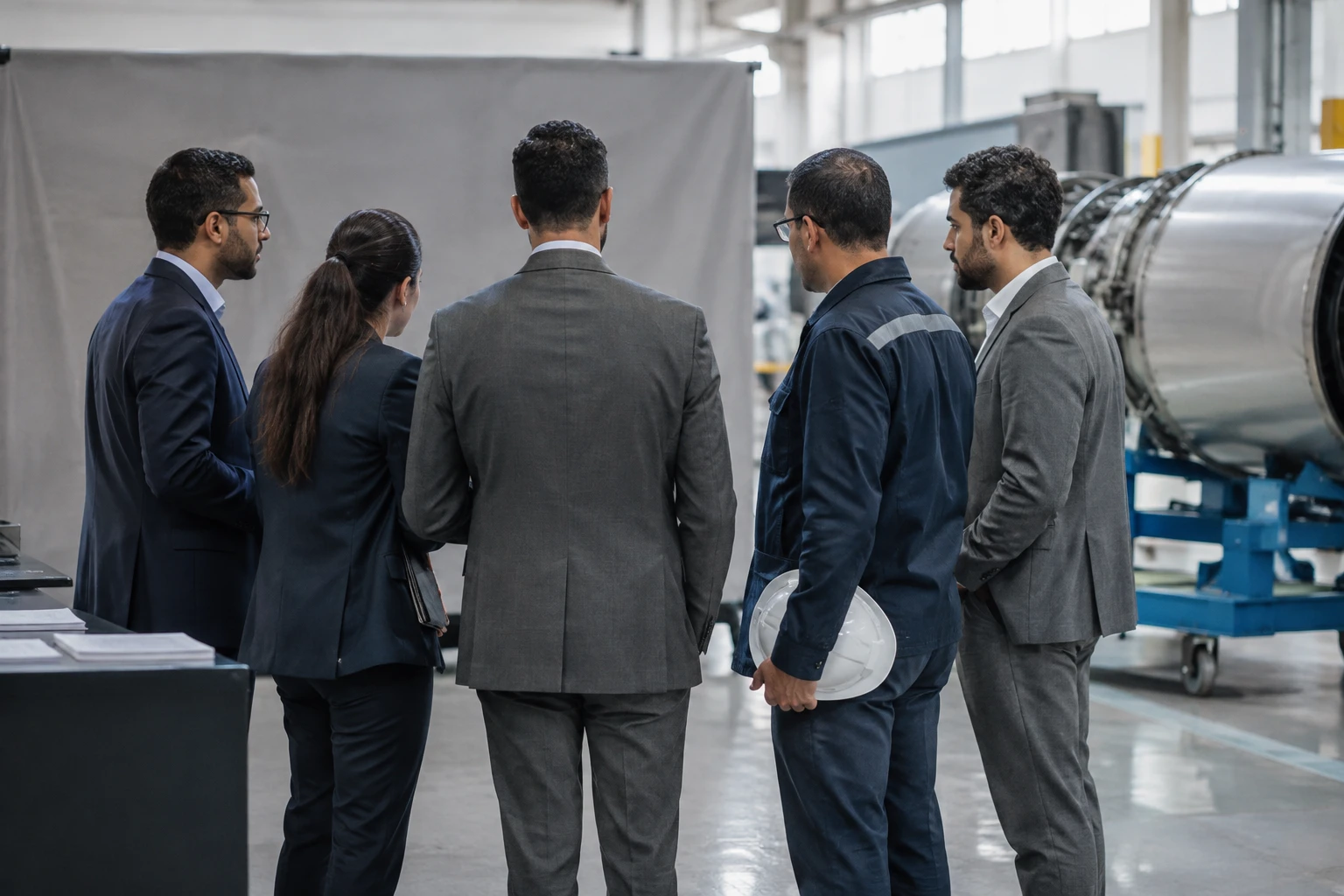
In Tangier, Casablanca and Nouaceur, Morocco’s aviation industry is no longer limited to assembling parts for aircraft designed elsewhere. New projects are seeking to attract more technical operations and broaden local skills. The issue is about more than the number of factories: it is a question of how much value, skilled employment and expertise will remain in the Kingdom.
An industry seeking to move upmarket
Over recent decades, Morocco has built an industrial network linking suppliers, component manufacturers and international manufacturers. This specialisation is based in particular on zones such as Midparc, near Casablanca, and the Mohammed VI Tanger Tech City. It is part of a national industrial strategy focused on exports and the integration of new activities.
In the region, the Arab Maghreb Union (AMU), which brings together five North African countries, remains poorly integrated economically. Partnerships and aviation production chains are therefore structured more around ties with global groups and external markets than around a common Maghreb market. At continental level, the African Continental Free Trade Area (AfCFTA) aims to facilitate trade between African countries, but aviation components must also meet demanding standards and global supply-network requirements.
Recent developments give a sense of this shift. On 8 December 2025, Airbus completed its acquisition of several industrial assets from Spirit AeroSystems, including the Casablanca site, which produces components for the A220 and A321 programmes. The deal brought these activities into the European group. It illustrates the importance of the Moroccan site in Airbus’s production chain, but does not mean that all stages of aircraft design or manufacture take place there.
Announcements at different stages
In October 2026, Mickaël Bertrand, Airbus’s representative in Morocco, spoke of a new factory dedicated to design, manufacture and assembly. The project has not yet been the subject of a detailed official announcement, however. Airbus is expected to specify its scope and timeline in the coming months. At this stage, an announced intention must therefore be distinguished from a confirmed investment or a project under way.
The decision by China’s Hangyu Technology marks another step. On 8 October, its board of directors selected Mohammed VI Tanger Tech City for a project to build a factory for high-precision forged parts. The planned investment could reach €105 million. This is a project transferred from Slovakia, not the relocation of a factory already in operation. Permits and the site’s final specifications remain to be confirmed.
In Nouaceur, projects by two suppliers reflect investments already under way. Safran Electronics & Defense began expanding its site on 24 June 2026, at a cost of 350 million dirhams. The planned building is to house 15 additional production lines. Swedish group Trelleborg, meanwhile, opened a factory for sealing systems for the aviation and space industries on 9 June. According to Morocco’s Ministry of Industry and Trade, the investment amounts to about 130 million dirhams.
These operations are not all comparable: some are projects under construction, others are newly opened facilities or projects still in preparation. Taken together, however, they show that the ecosystem is extending beyond aircraft structures alone, into electronics, metal parts and sealing systems. This diversity could strengthen links between suppliers, but it does not automatically guarantee an increase in local production at every stage.
The question of local benefits
For workers and the areas concerned, the impact will depend on the types of jobs created, the training offered and the ability of Moroccan companies to become regular suppliers. The Casablanca and Nouaceur sites account for a significant share of this activity. Tangier, through Tanger Tech, is seeking to broaden the industry’s footprint. The benefits will therefore vary for employment areas, companies already established in the country and new subcontractors.
Moving upmarket also means clearing several hurdles: mastering more complex processes, meeting aviation certification requirements and developing expertise in engineering, quality control and maintenance. These capabilities can support more skilled jobs and increase the share of value added produced locally. But they require time, investment and lasting relationships between manufacturers, training centres and local suppliers.
On the sidelines of the Marrakech Air Show, held from 7 to 10 October 2026, Mohammed Bellatig, president of the Moroccan Aerospace Industries Association (GIMAS), estimated that the sector’s exports could rise from about $3 billion in 2025 to $5 billion a year within three years. This forecast expresses an industry ambition, not an achieved result. It will depend in particular on investments being completed, international demand and the ability to produce more complete systems.
An industrial issue beyond Morocco
The presence of groups such as Airbus, Safran and Trelleborg brings Morocco closer to the major aviation value chains. It also exposes the industry to decisions by foreign groups, the cycles of air transport and the demands of their markets. For Rabat, the challenge is to turn factory locations into lasting skills, local suppliers able to grow and jobs that do not depend solely on a one-off project.
At African level, this trajectory raises a practical question: can the continent’s industrial capabilities be more closely connected, rather than operating mainly as export platforms serving Europe, North America or Asia? Morocco already has a structured industrial base, but stronger regional integration would require smoother trade, complementary skills and compatible standards. Airbus’s next announcements, followed by the actual delivery of the projects announced in Tangier and Nouaceur, will show whether expansion translates into a deeper value chain in Morocco.