Algeria
 Egypt
 Libya
 Sudan
 Tunisia
 Benin
 Burkina Faso
 Cabo Verde
 Côte d'Ivoire
 Ghana
 Guinea
 Guinea-Bissau
 Liberia
 Mali
 Mauritania
 Niger
 Nigeria
 Senegal
 Sierra Leone
 The Gambia
 Togo
 Cameroon
 Central African Republic
 Chad
 DR Congo
 Equatorial Guinea
 Gabon
 Republic of the Congo
 São Tomé and Príncipe
 Burundi
 Comoros
 Djibouti
 Eritrea
 Ethiopia
 Kenya
 Madagascar
 Malawi
 Mauritius
 Mozambique
 Rwanda
 Seychelles
 Somalia
 South Sudan
 Tanzania
 Uganda
 Angola
 Botswana
 Eswatini
 Lesotho
 Namibia
 South Africa
 Zambia
 Zimbabwe
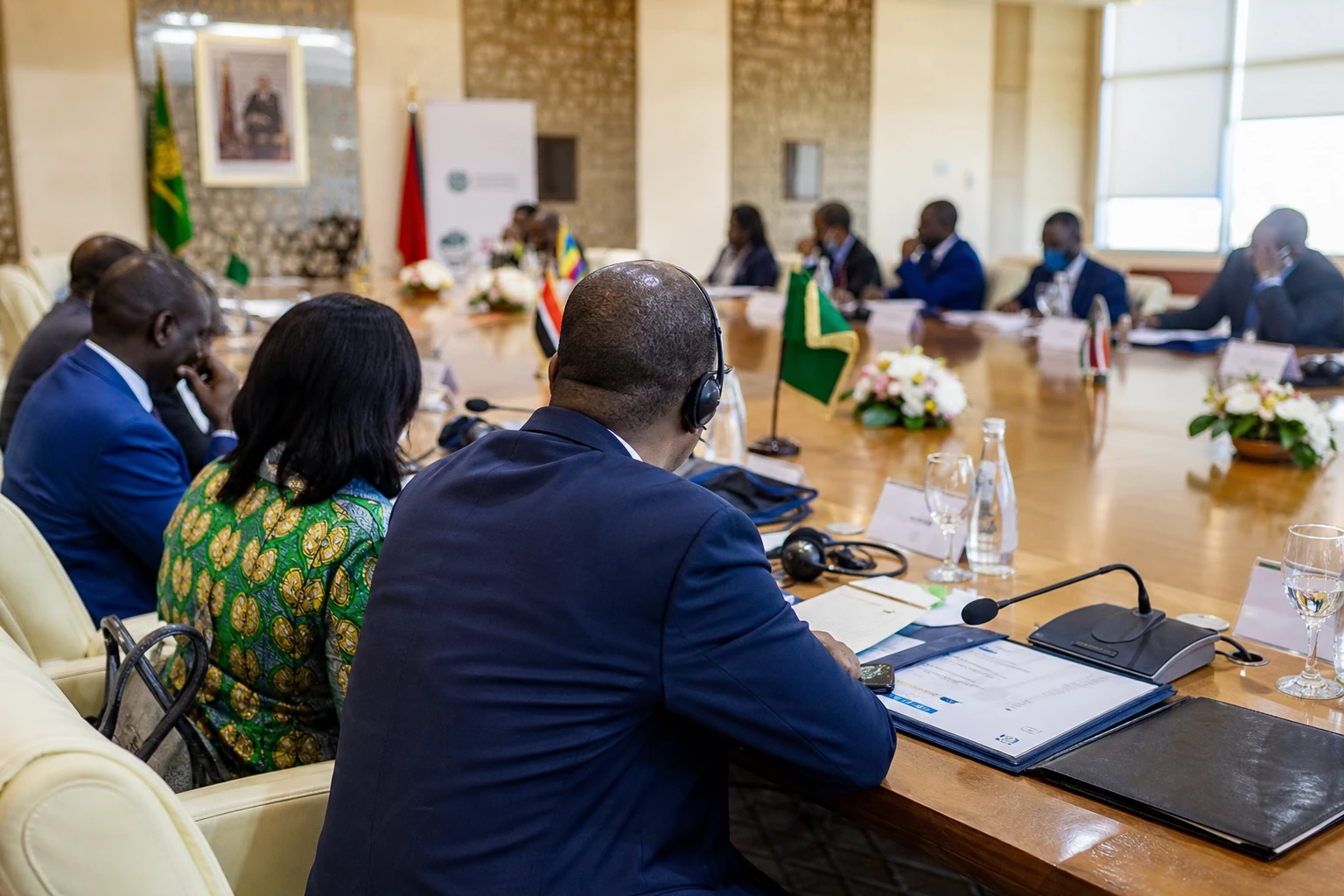
A seat that is more than a symbol
In Rabat, Moroccan diplomacy likes to show that it is not limited to major political or commercial issues. In civilian nuclear affairs, the Kingdom is also seeking to occupy a discreet but strategic space: that of knowledge, training and technical cooperation. This is where part of its influence in Africa is built.
This presence is not abstract. Through CNESTEN, Morocco has established a reputation as a centre of reference in several fields: isotope hydrology, radiopharmacy, radiation protection, industrial applications and training based around the Maâmora research reactor. The country is also active in the International Atomic Energy Agency (IAEA) networks that support the peaceful uses of nuclear science on the continent.
AFRA, an African framework for peaceful uses
The framework in question is AFRA, the African Regional Cooperative Agreement for Research, Development and Training Related to Nuclear Science and Technology. This intergovernmental mechanism was designed to help African states pool expertise, infrastructure and training. The IAEA provides its secretariat and technical support.
AFRA is not a club of countries focused strictly on nuclear energy. Its core activities are instead in civilian uses: health, agriculture, water, industry and radiation safety. This is precisely what makes it a useful tool for many African states, whether or not they have a nuclear power programme.
National centres play a central role. They train specialists, host fellows, run workshops and disseminate methods. Morocco’s CNESTEN is among the most prominent organisations in this system, with several regional and international recognitions from the IAEA and AFRA.
What Rabat secured in Vienna
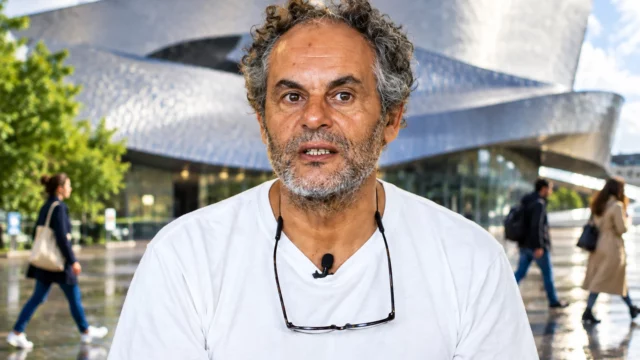
Morocco was elected by acclamation to the presidency of the main African framework for nuclear cooperation at a meeting held in Vienna on the sidelines of the IAEA General Conference. The one-year presidency is held by Hamid Marah, director-general of CNESTEN, who succeeds Botswana’s David Tshere.
The move is political, but it is also technical. It confirms an established reality: Morocco hosts expertise, training and partnerships that serve countries beyond its borders. In documents submitted to the IAEA, Rabat regularly reiterates its support for initiatives such as Rays of Hope, launched in 2022 to improve access to radiotherapy, and its role as a regional “anchor centre”.
The significance of this appointment also lies in continuity. It extends a period in which Morocco has consolidated its presence in IAEA bodies and African regional platforms. For the Kingdom, the aim is not to make nuclear power an immediate energy showcase. Rather, it is to establish itself as a centre of support for training, safety and skills transfer.
Why this presidency matters for Africa
The continent is showing growing interest in civilian nuclear science, but at very different rates from one country to another. On the one hand, several states are expanding medical and agricultural uses of nuclear techniques. On the other, a handful of governments are exploring the option of power reactors over the longer term. Africa is therefore not following a single path. It is combining several.
In this landscape, health remains the most immediate need. The IAEA says 46 African states took part in its technical cooperation programme in 2023, with a strong focus on cancer, radiotherapy and nuclear medicine. A lack of equipment and qualified personnel remains a practical obstacle for many health systems.
This is where Morocco can make a difference. Its experience is not limited to a research reactor. It also includes overseeing training, certifying skills, working with universities and hosting African specialists. For countries seeking to build national capacity without starting from scratch, this kind of regional support matters as much as announcements of major projects.
The regulatory dimension also matters. Africa cannot develop sustainable nuclear applications without strong safety authorities, shared standards and a culture of oversight. AFRA, like the Forum of Nuclear Regulatory Bodies in Africa, also serves this purpose: harmonising practices, narrowing disparities and improving the safety of radioactive sources.
Influence through proximity, not a race for prestige
For Morocco, the presidency offers a clear diplomatic advantage. It places the country at the centre of an African space where demand for expertise is growing, even as public budgets remain constrained. Rabat can project an image of useful expertise, less spectacular than a power plant project but often more immediately tangible for people.
For other African states, the benefit is different. A Moroccan term at the head of AFRA could facilitate South-South exchanges, speed up training and strengthen cooperation between Francophone and Anglophone countries around centres that are already active. This will not eliminate disparities in resources or debates about nuclear power, but it creates a common point of contact.
What happens next will depend on upcoming IAEA meetings, AFRA regional projects and programmes linked to Rays of Hope. If Morocco wants to turn this presidency into lasting leverage, it will need to deliver on what it already champions: more training, more sharing and making civilian nuclear science an African instrument for public health, research and technical sovereignty.